La Brea Tar Pit Riker Box Specimens
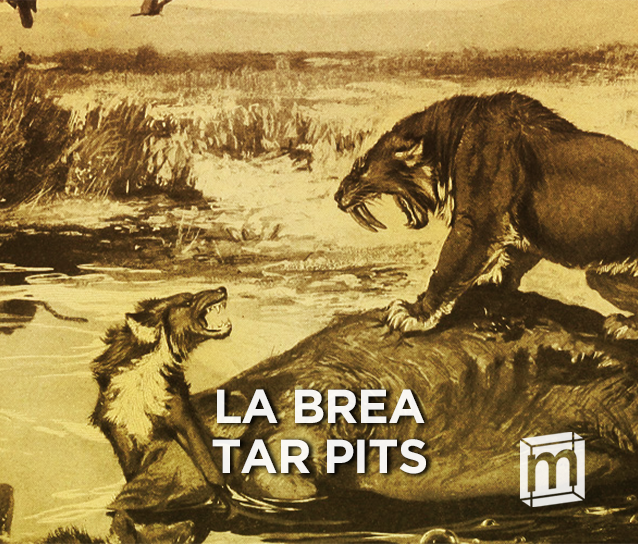
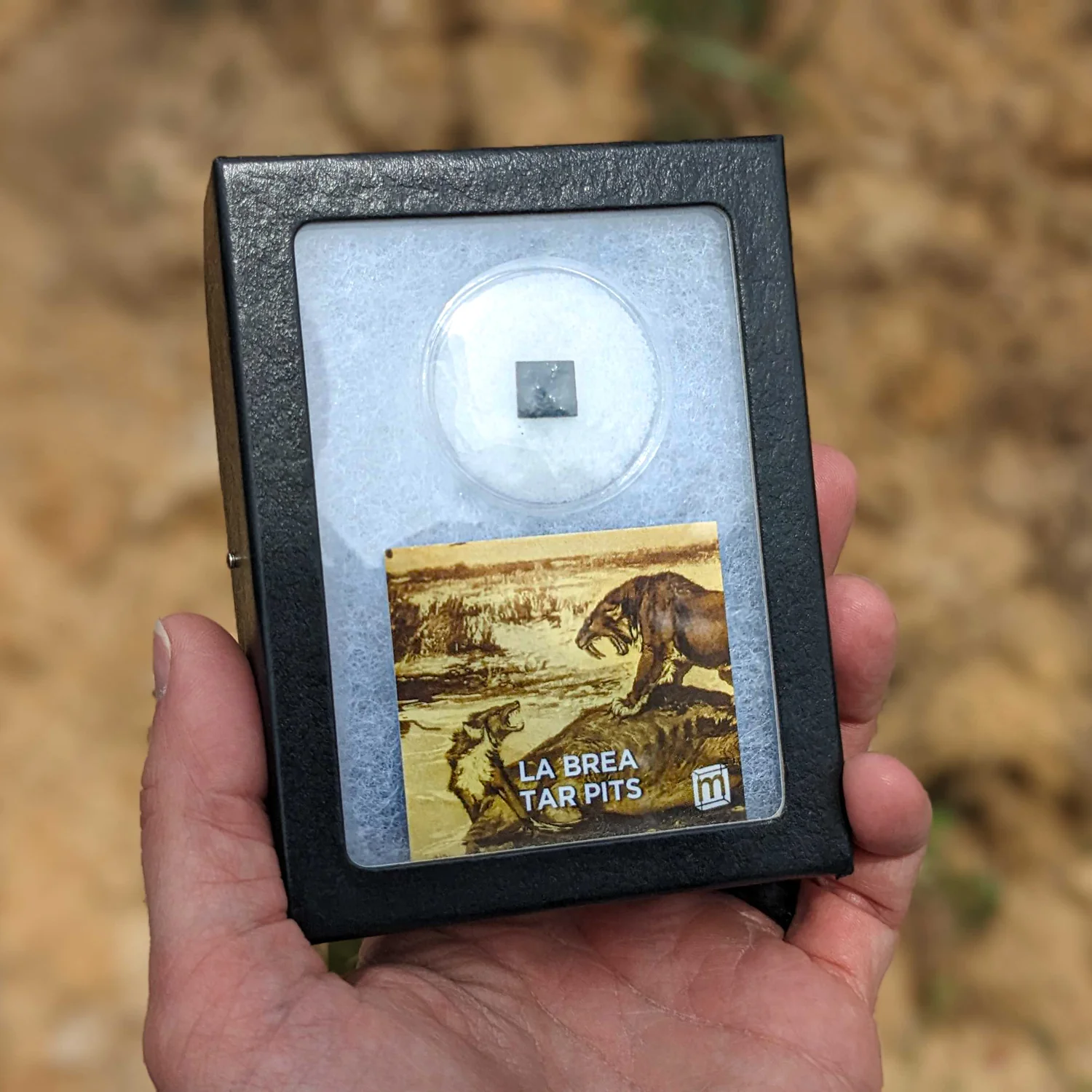
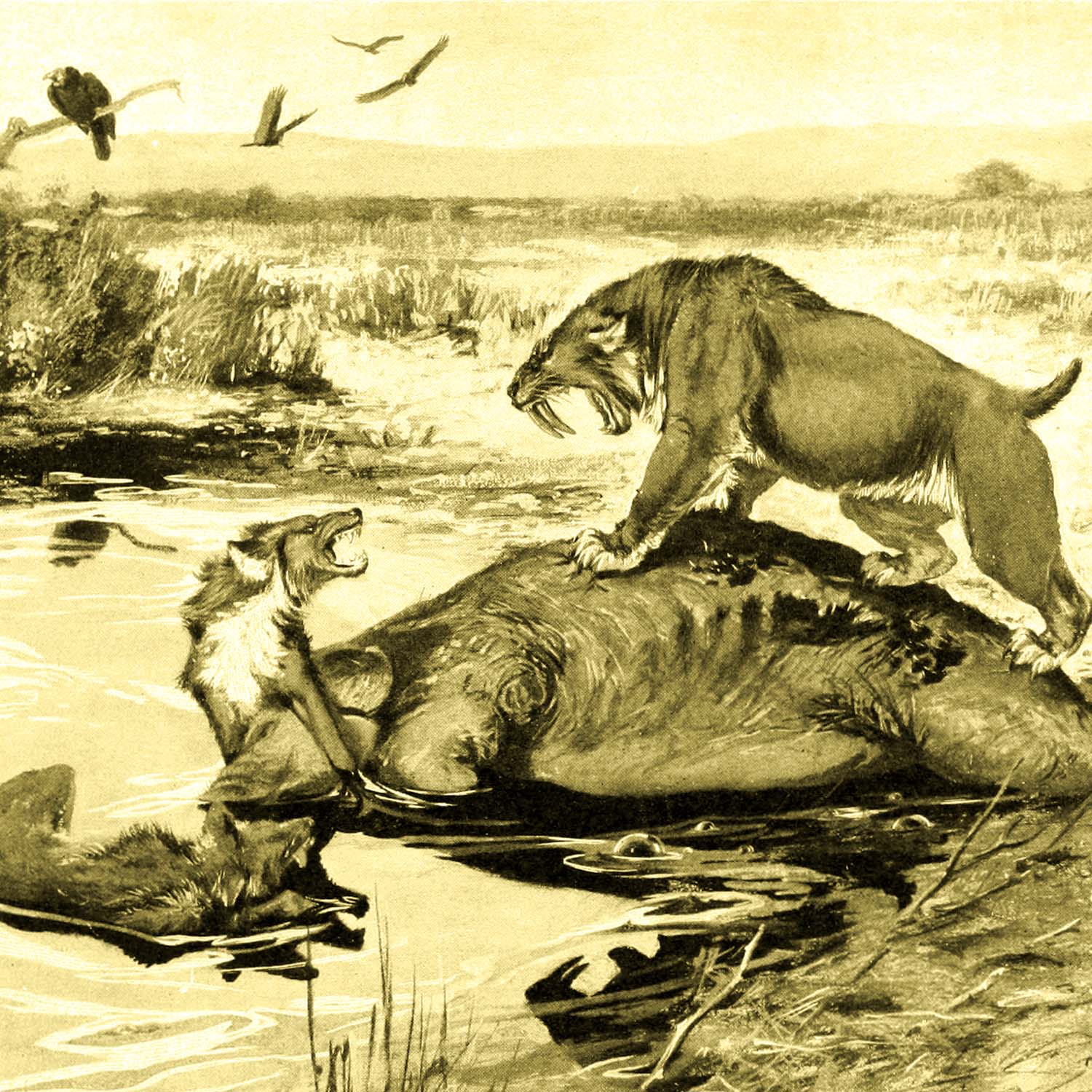
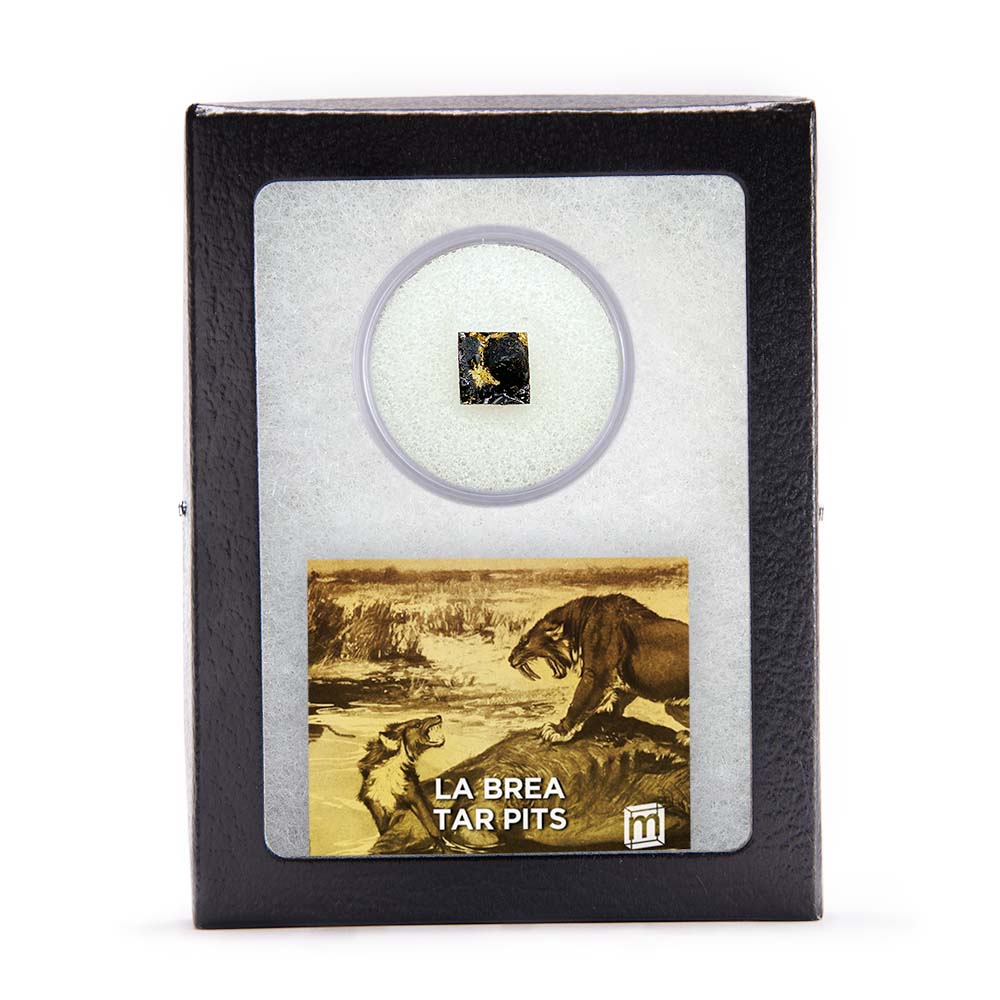
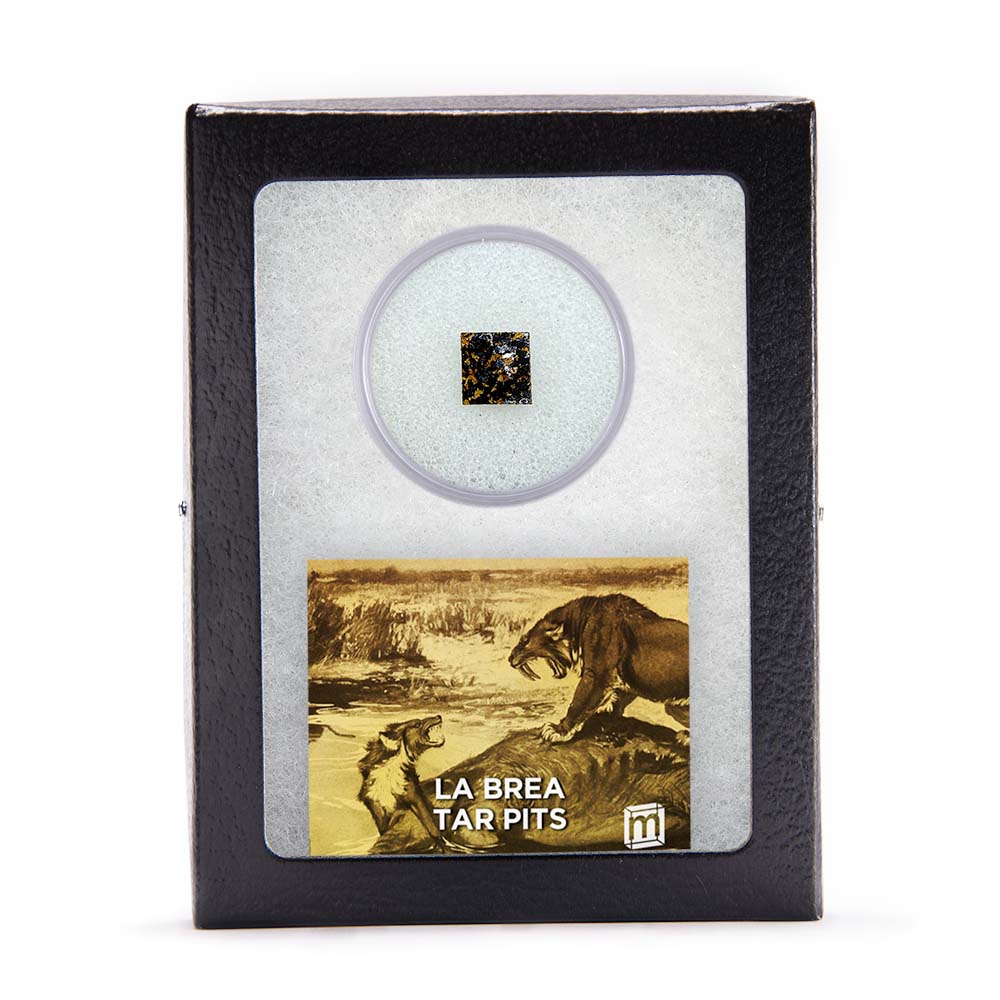
Above: The front of the Specimen Card for the Tar Pit Specimen. (Source: Smilodon californicus and Canis dirus fight over a Mammuthus columbi carcass in the La Brea Tar Pits, Robert Bruce Horsfall, 1913)
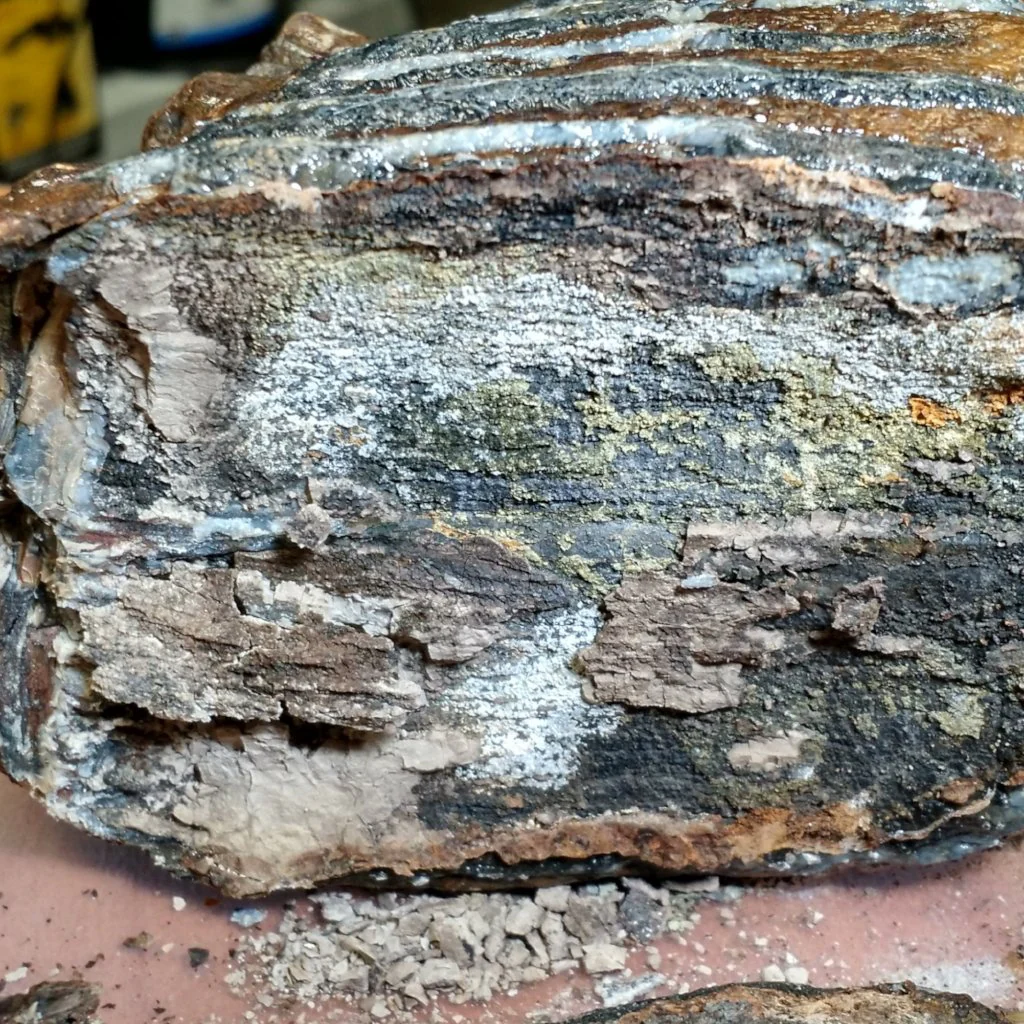
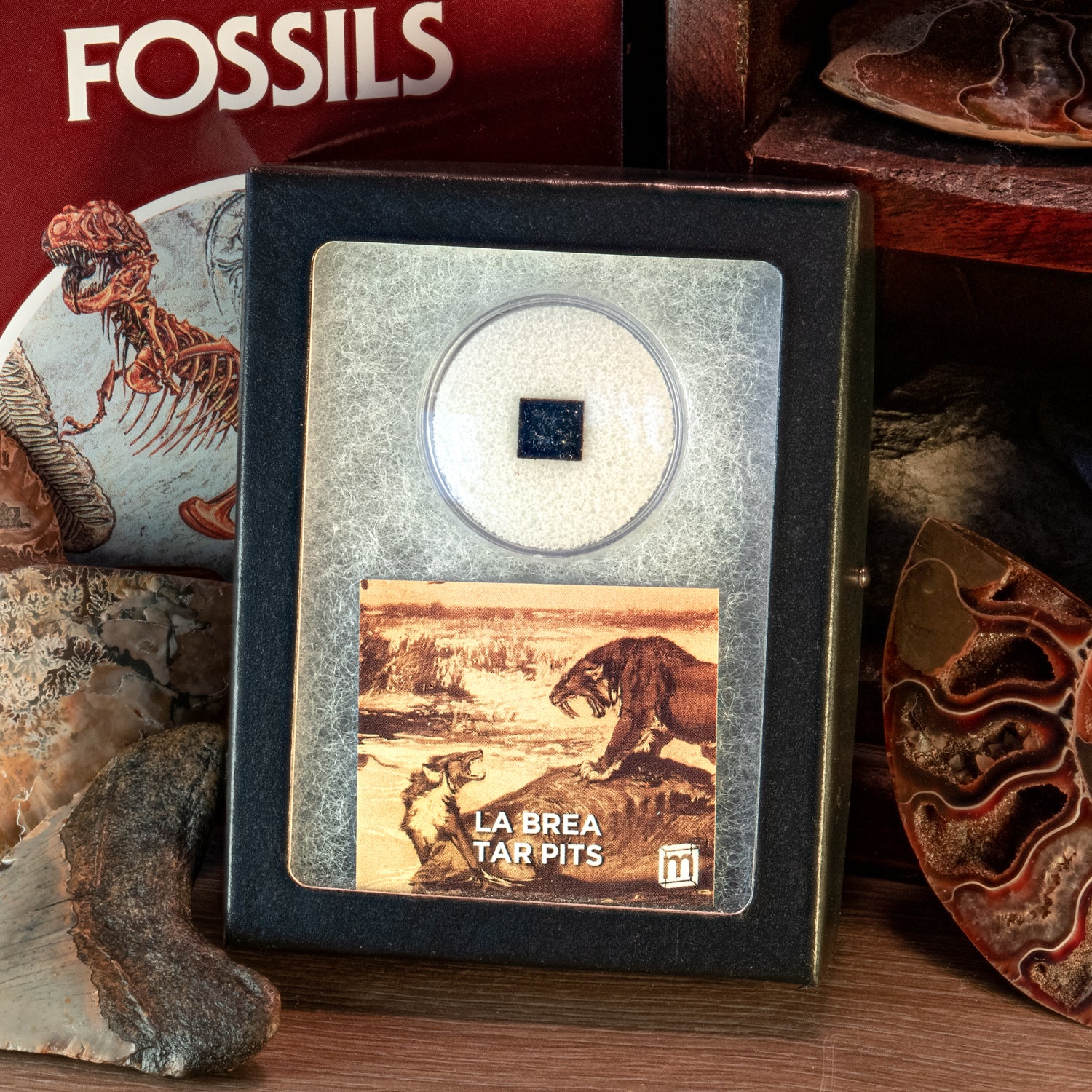
The La Brea Tar Pits are among the most well-known petroleum seeps in the world. Over millennia, such seeps can become lake-like formations and trap unwary wildlife. Excavated animal remains at La Brea comprise nearly 700 different species, some dating back 40,000 years to the Late Pleistocene.
Original: $29.00
-70%$29.00
$8.70More Images
La Brea Tar Pit Riker Box Specimens
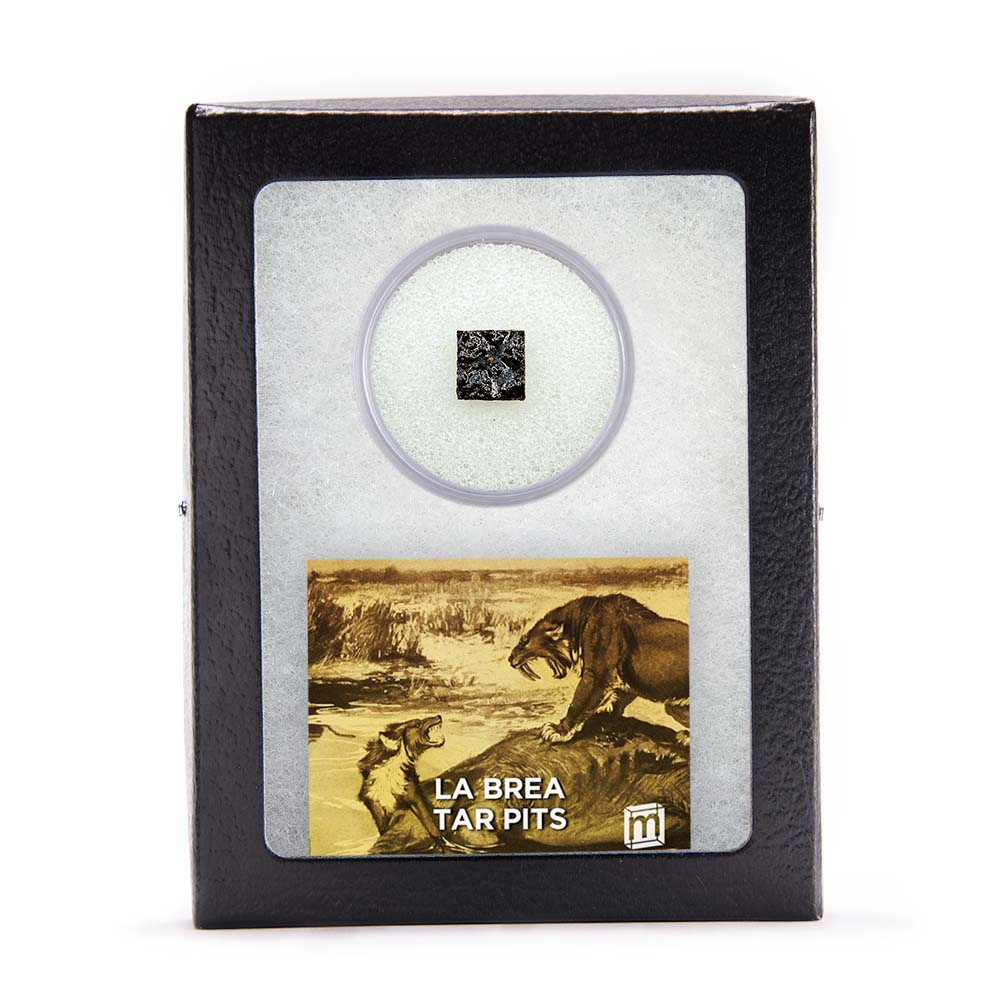
Above: The front of the Specimen Card for the Tar Pit Specimen. (Source: Smilodon californicus and Canis dirus fight over a Mammuthus columbi carcass in the La Brea Tar Pits, Robert Bruce Horsfall, 1913)
The La Brea Tar Pits are among the most well-known petroleum seeps in the world. Over millennia, such seeps can become lake-like formations and trap unwary wildlife. Excavated animal remains at La Brea comprise nearly 700 different species, some dating back 40,000 years to the Late Pleistocene.
Product Information
Product Information
Shipping & Returns
Shipping & Returns
Description
Above: The front of the Specimen Card for the Tar Pit Specimen. (Source: Smilodon californicus and Canis dirus fight over a Mammuthus columbi carcass in the La Brea Tar Pits, Robert Bruce Horsfall, 1913)
The La Brea Tar Pits are among the most well-known petroleum seeps in the world. Over millennia, such seeps can become lake-like formations and trap unwary wildlife. Excavated animal remains at La Brea comprise nearly 700 different species, some dating back 40,000 years to the Late Pleistocene.