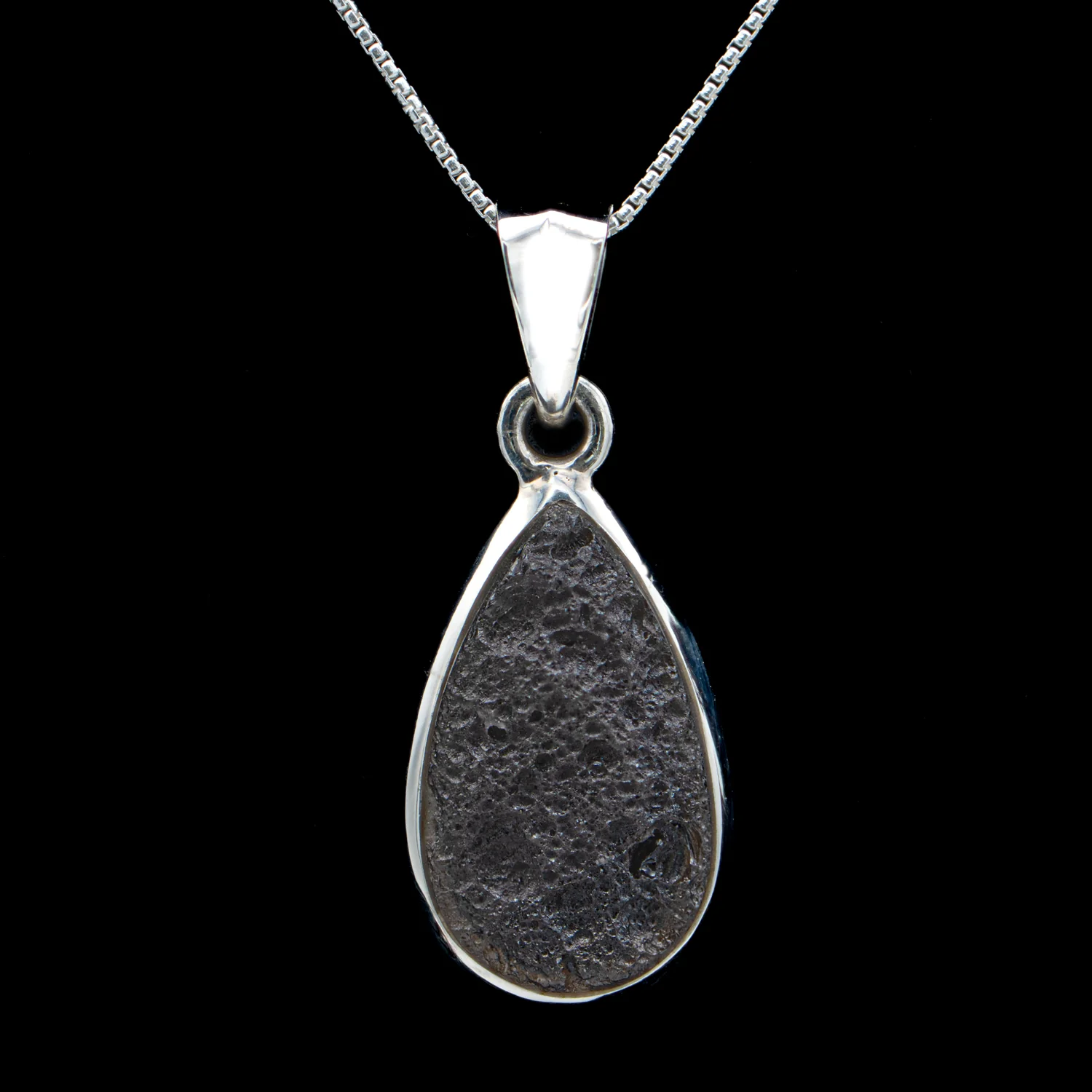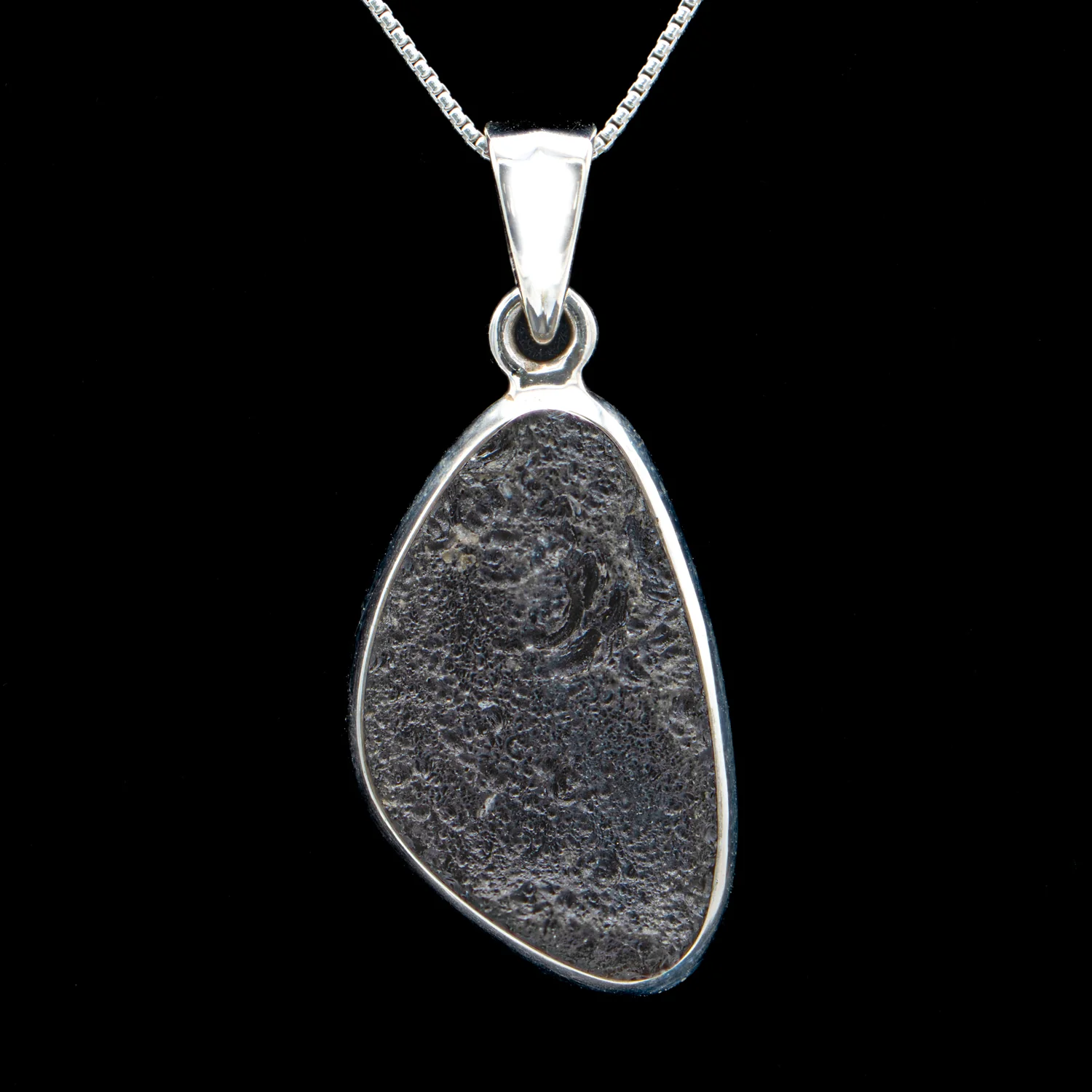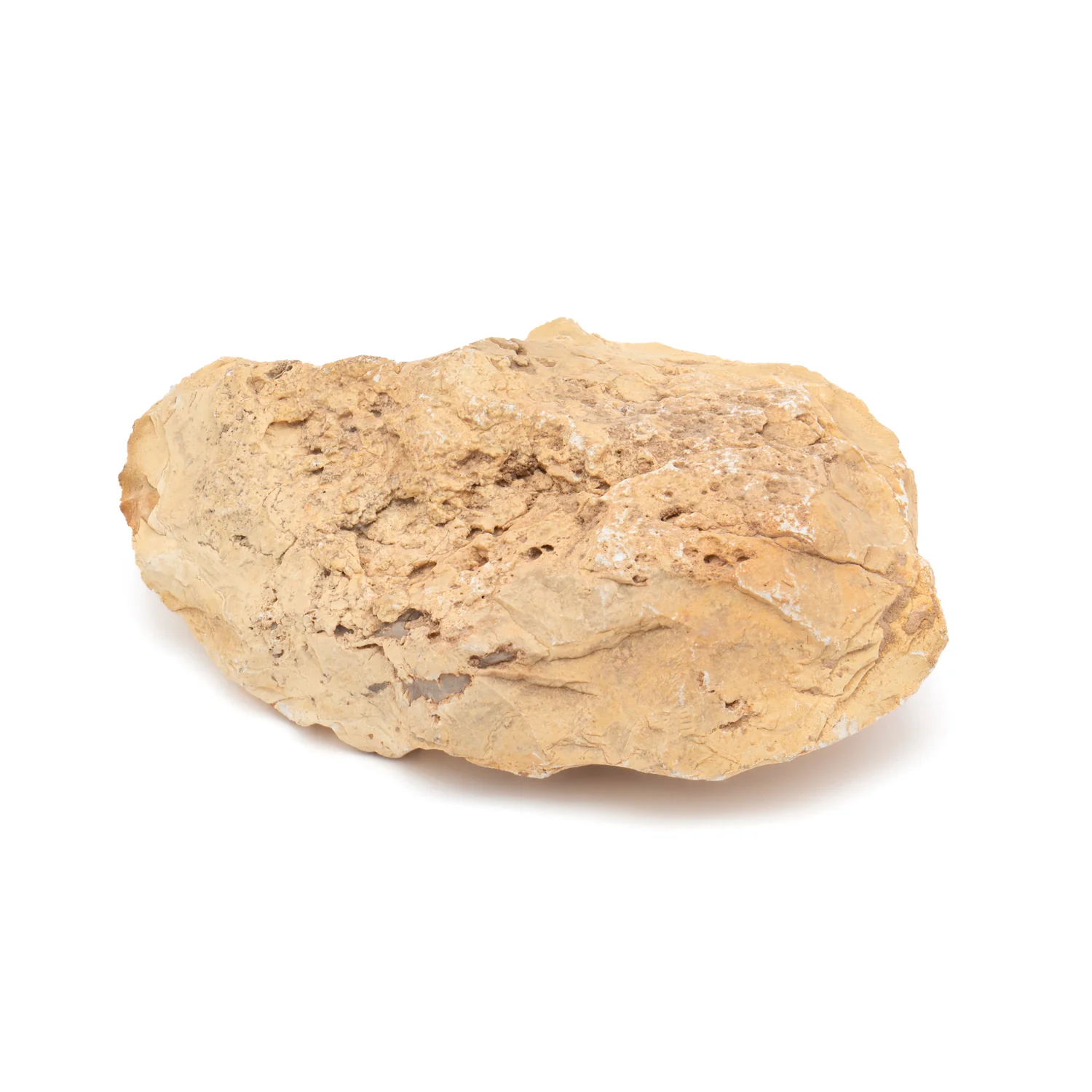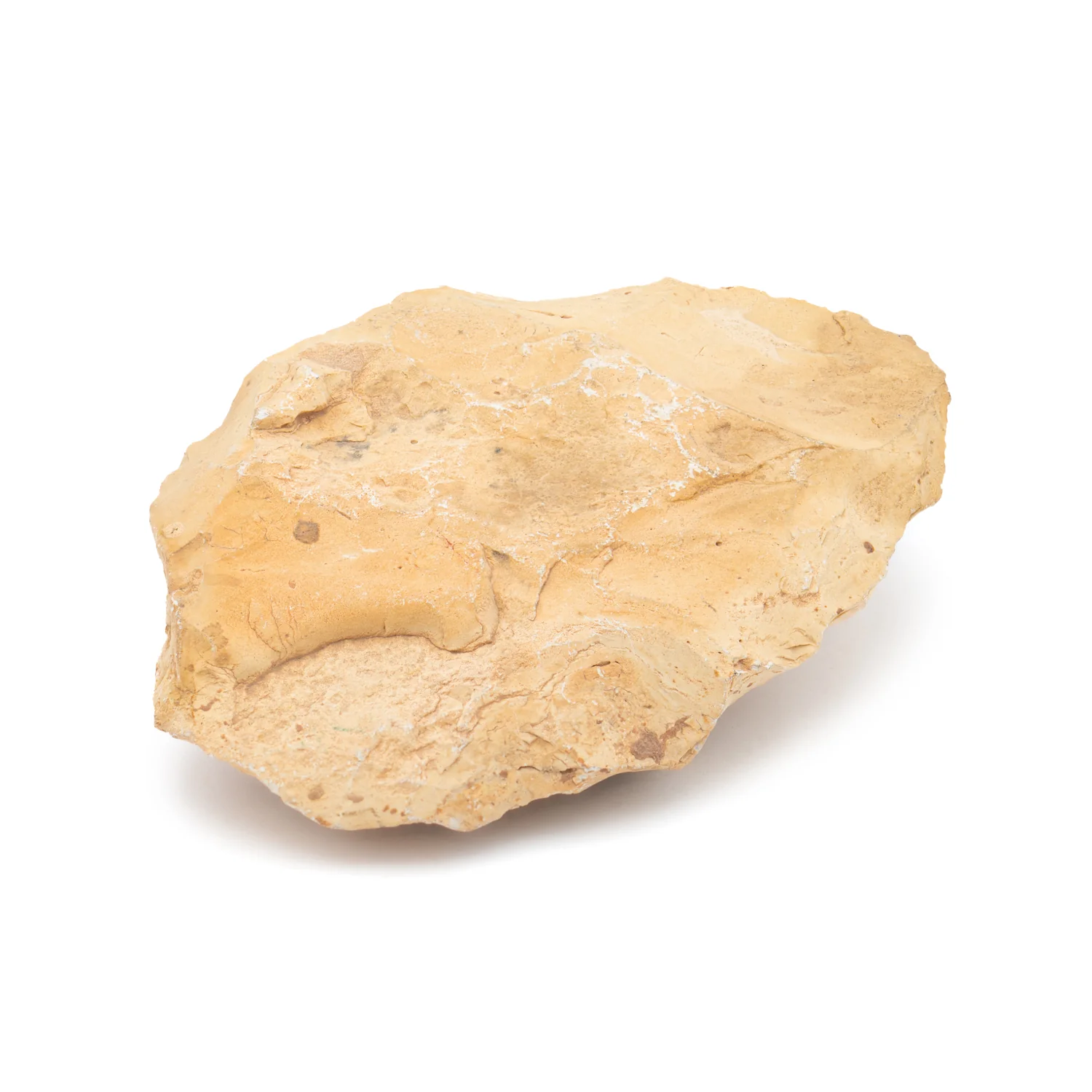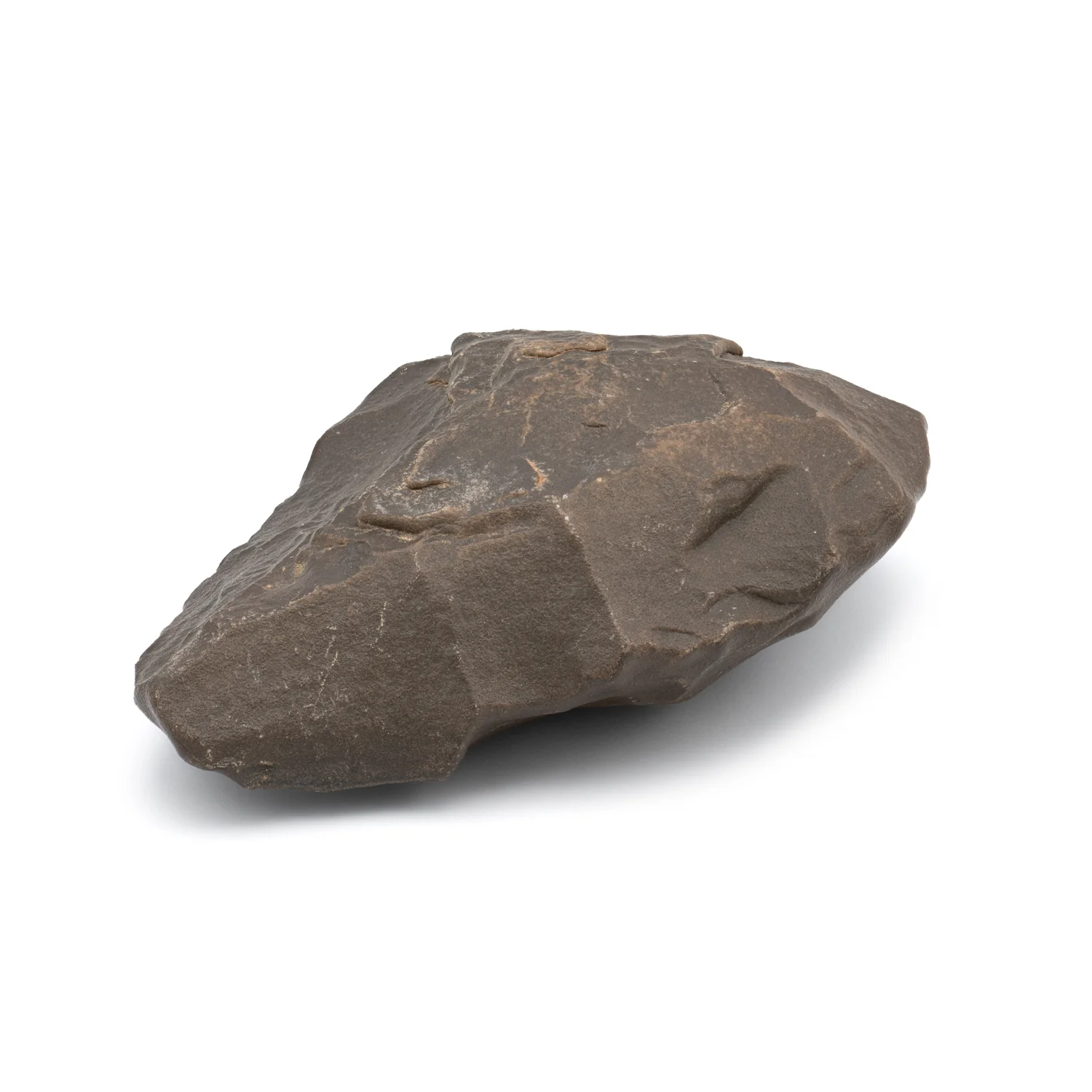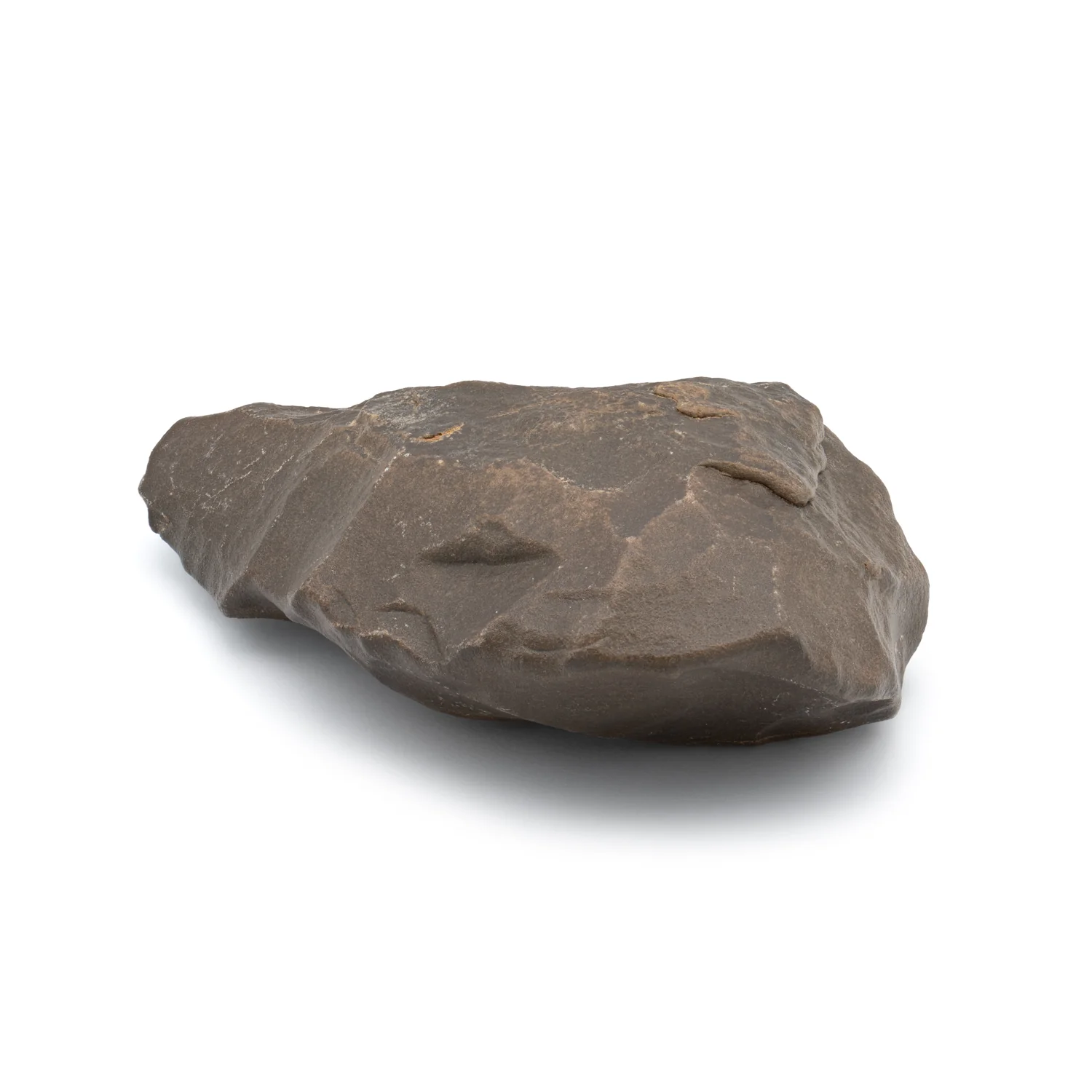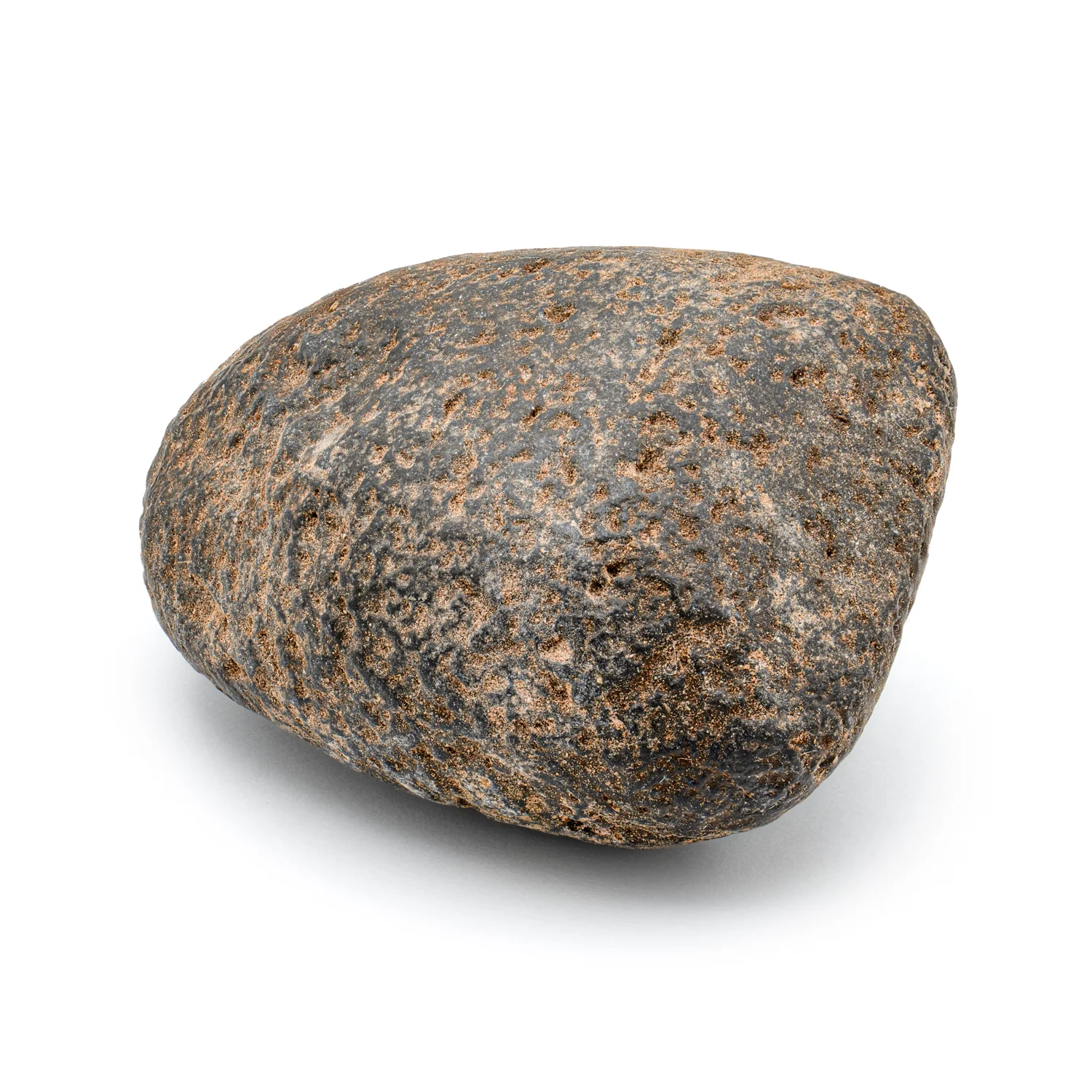
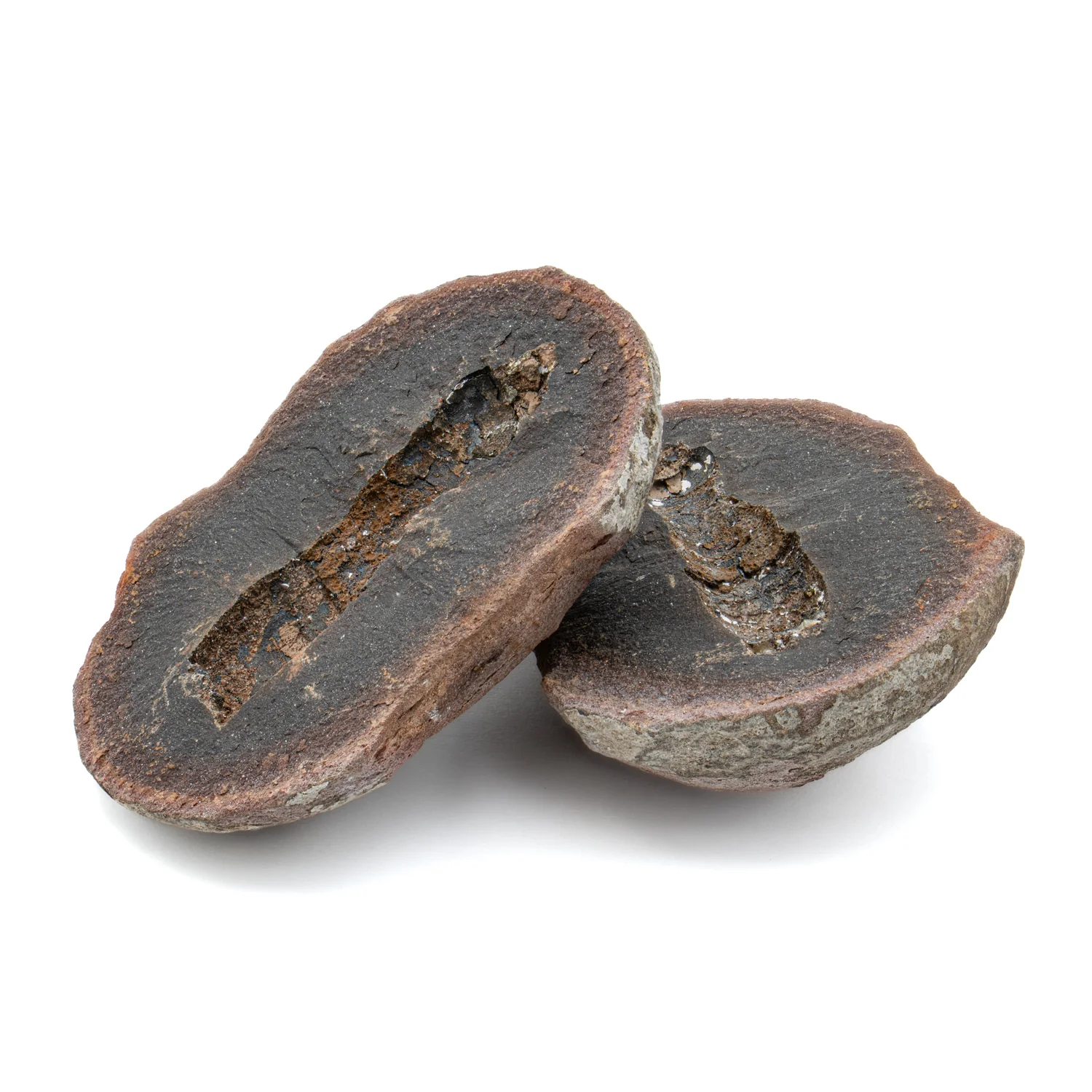
Mazon Creek Coprolite Fossil - 2.33"
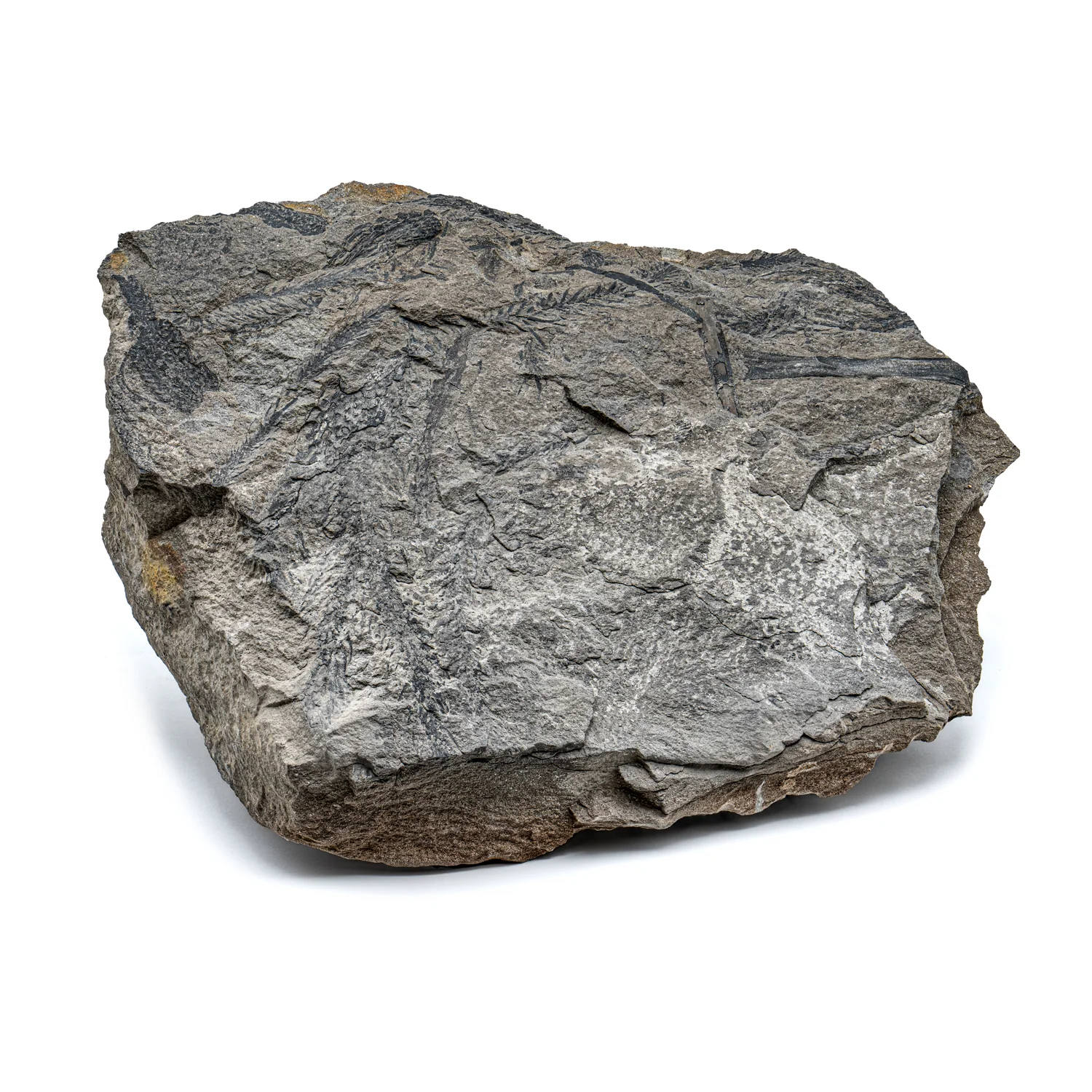
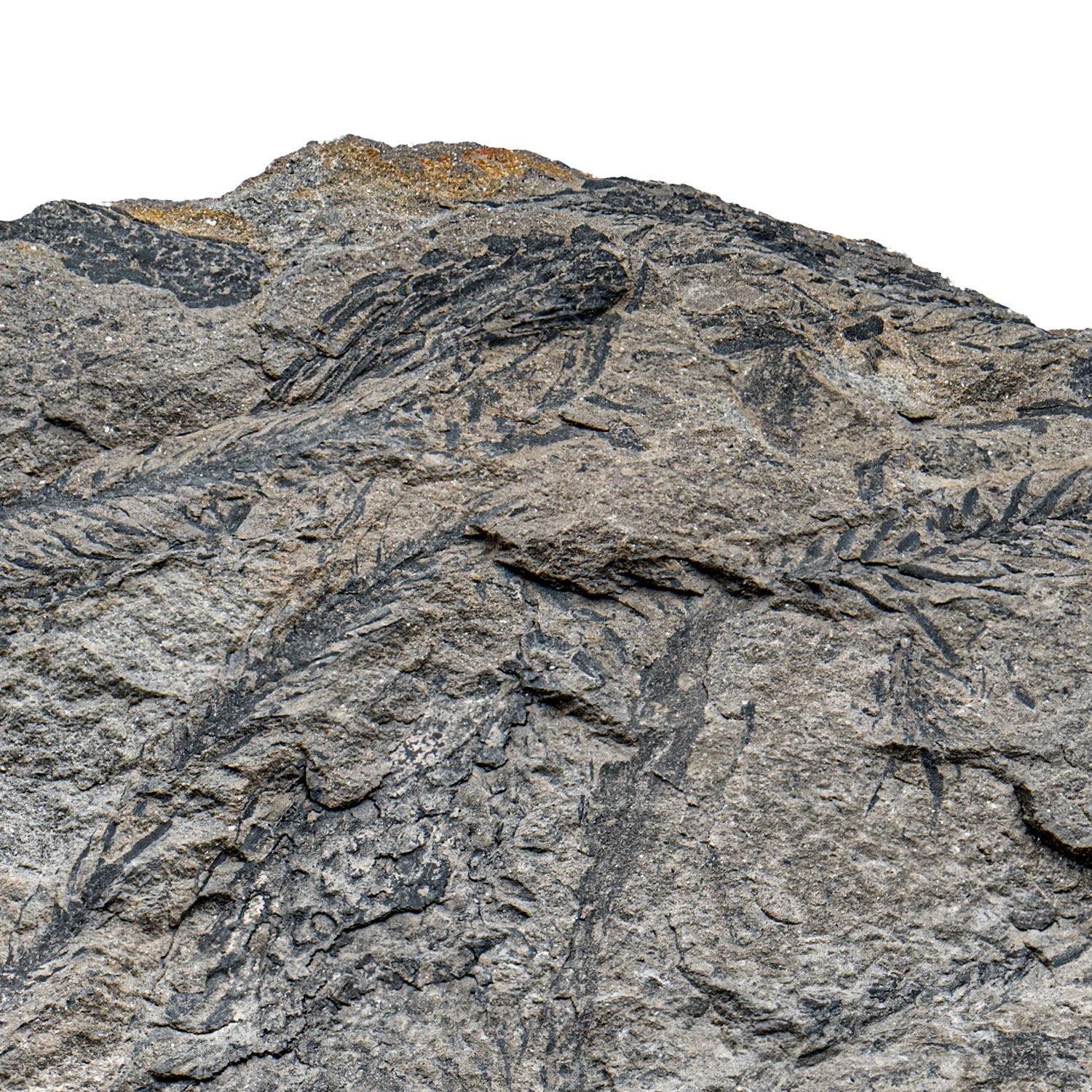
300,000,000 years ago, in the Carboniferous Period, Earth was a dense tropical jungle. Lush forests were home to all manner of prehistoric creatures and swampy landscapes covered the surface. We know of this incredible time thanks to the fossil imprints left behind by plants and animals that were preserved for millions of years.
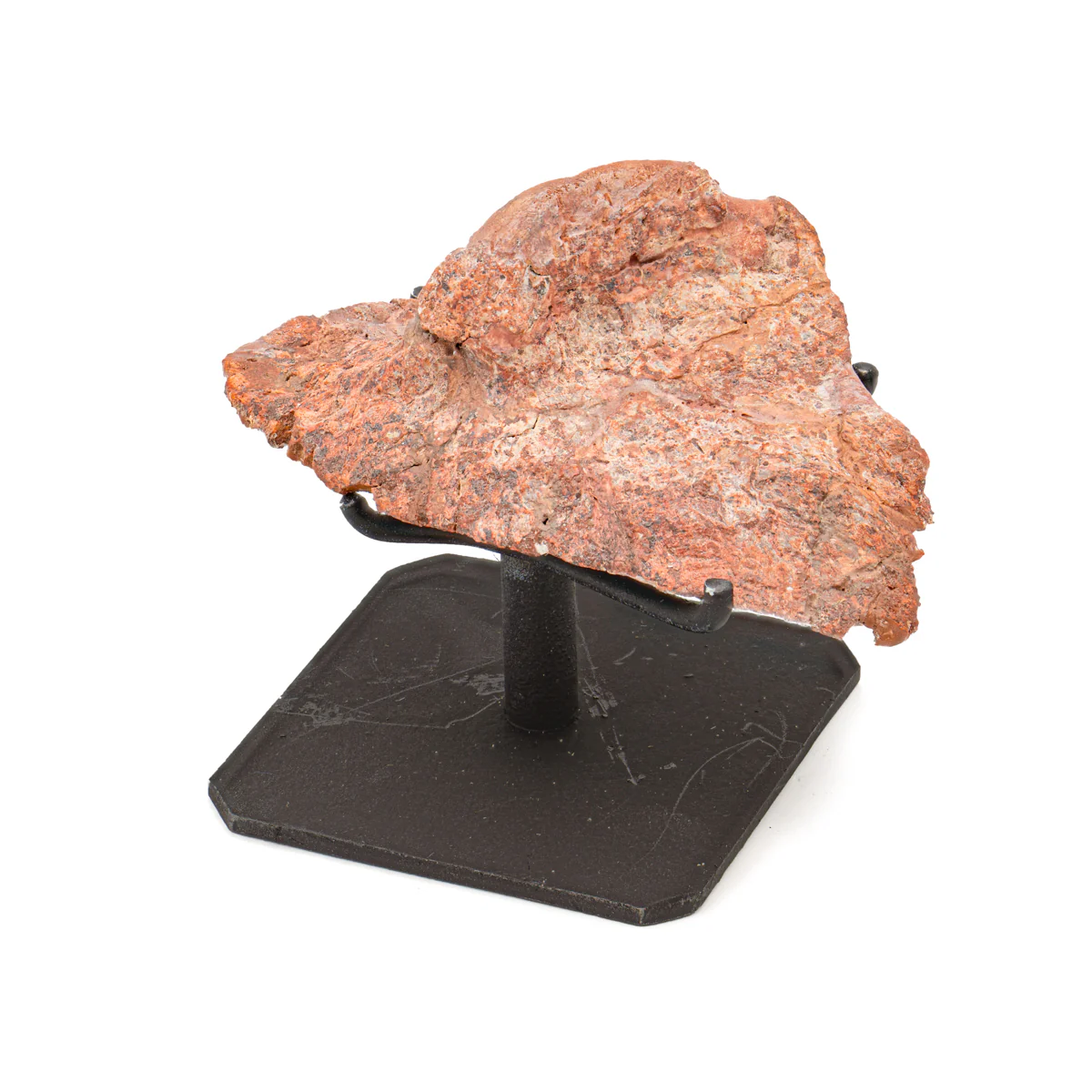
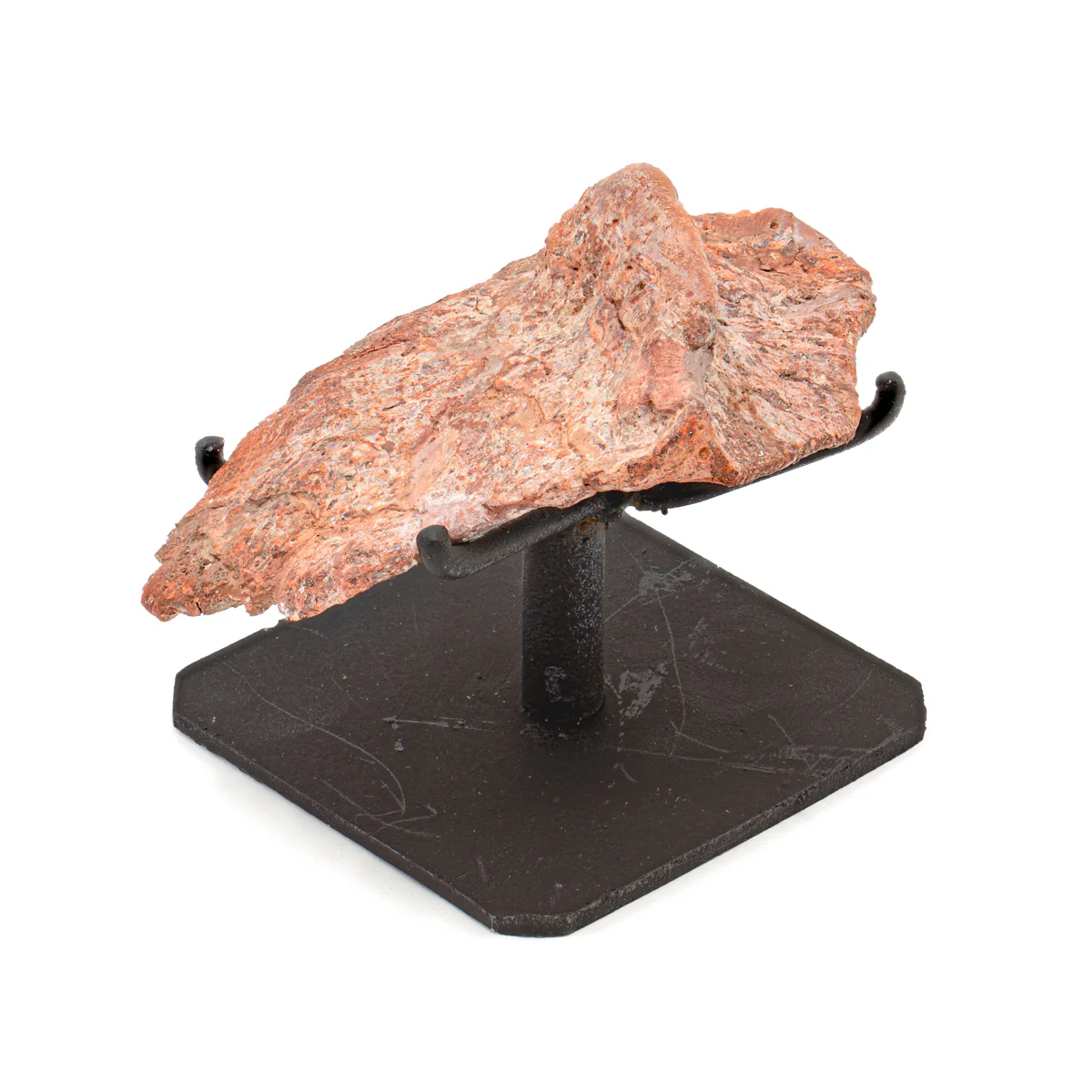
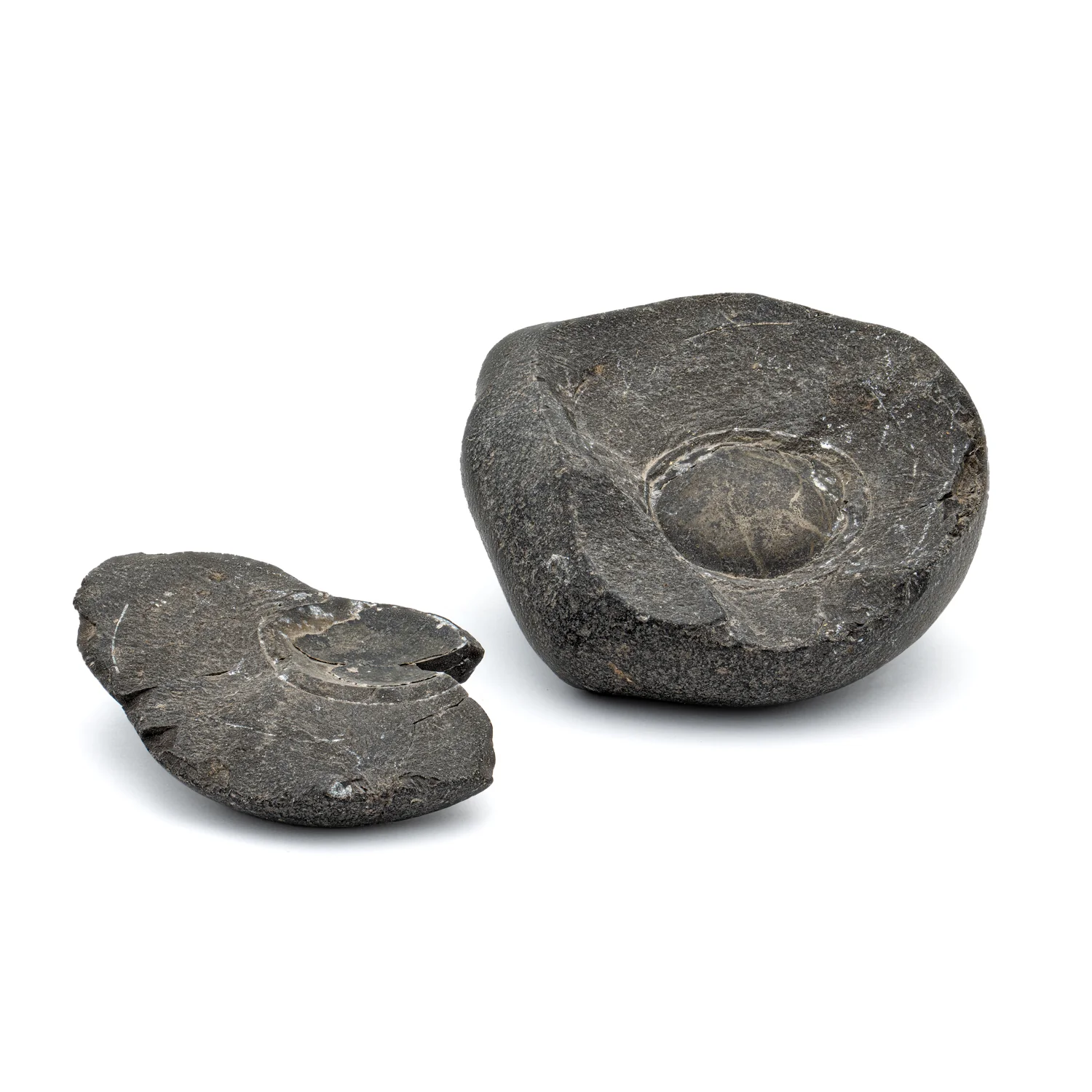
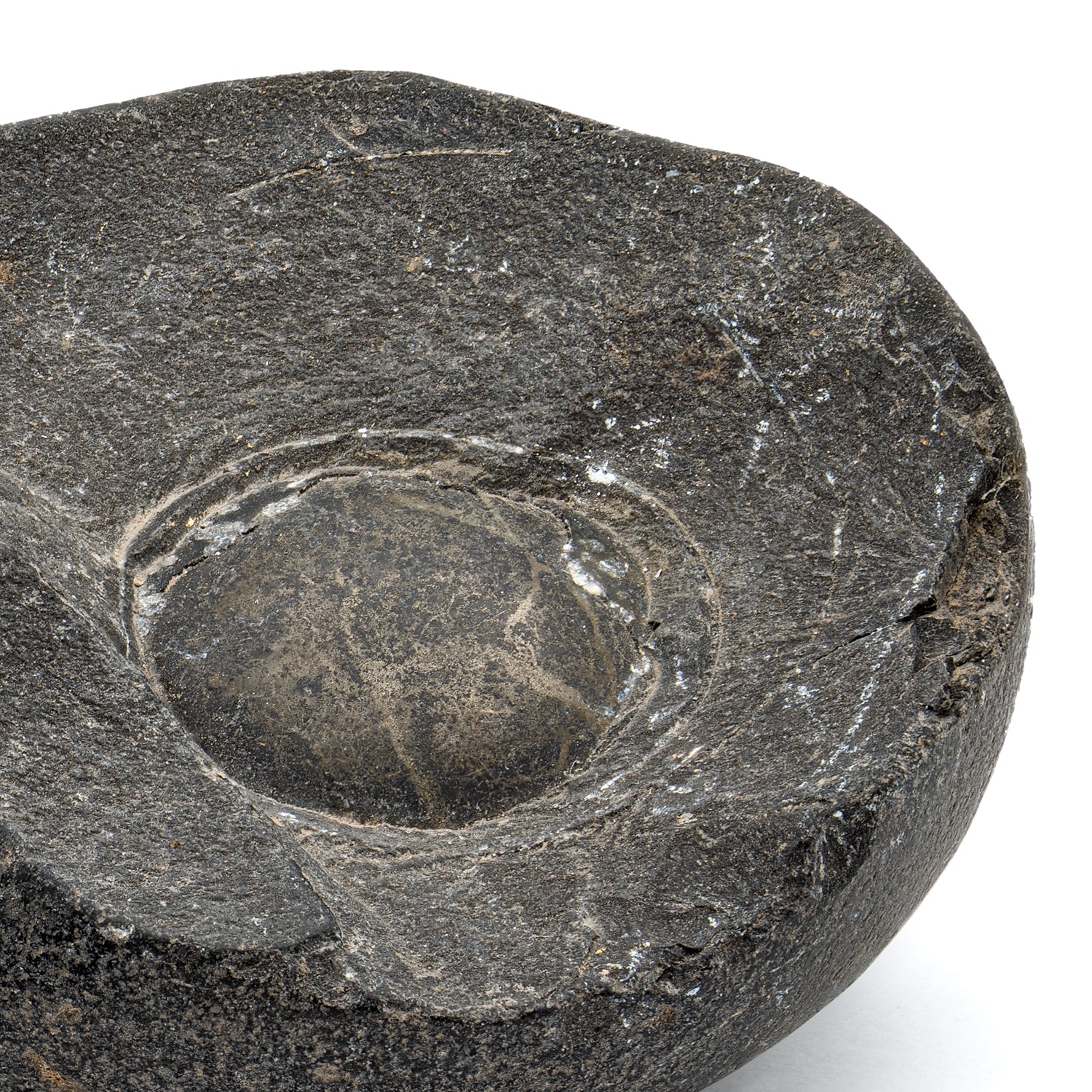
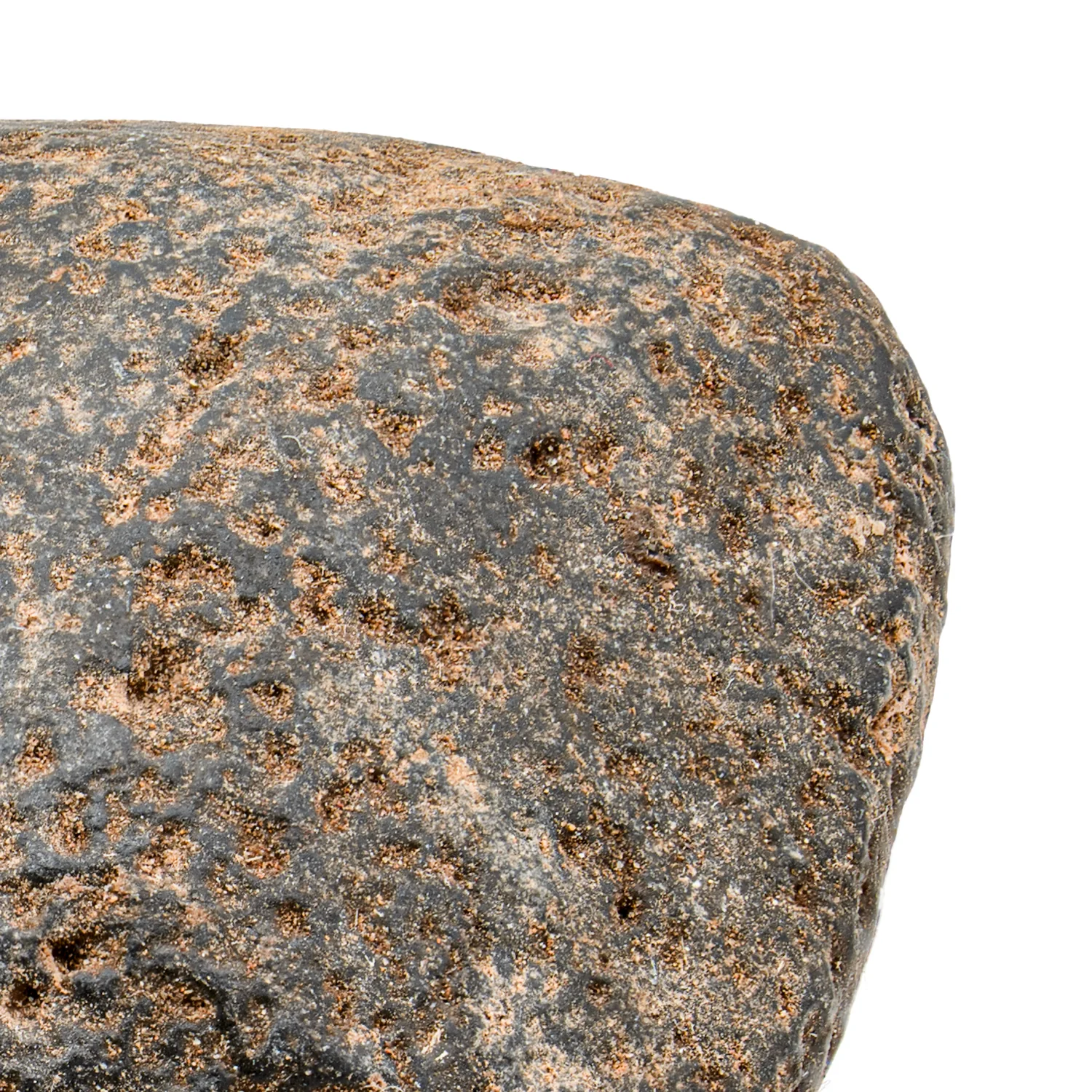
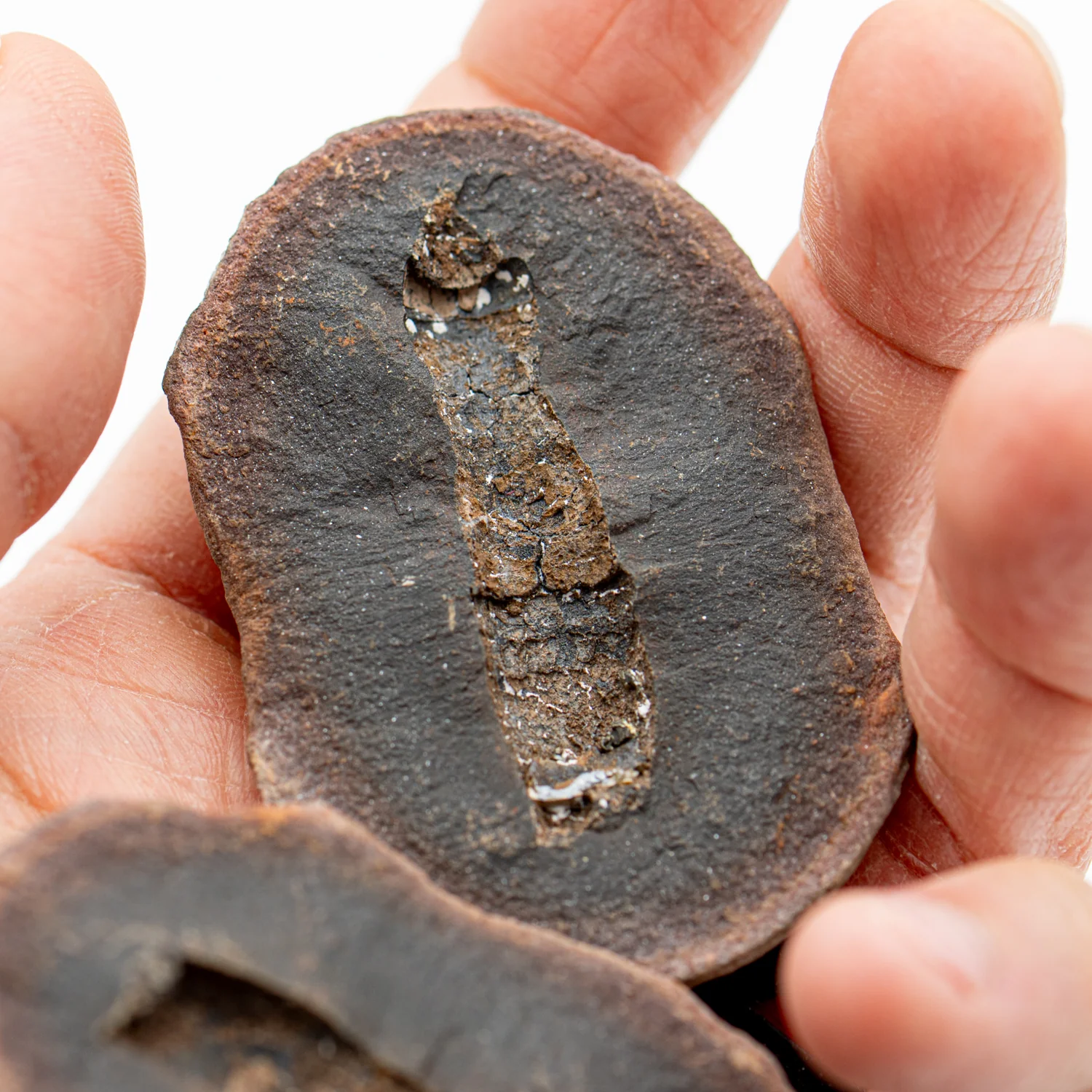
This specimen is a Mazonmya mazonesis bivalve fossil, measuring 2.33", that was recovered from Mazon Creek in Illinois. This former coal mine turned fossil site is the perfect place to find highly detailed fossils from the Carboniferous, as much of the coal beds we have today were formed during that time.
Original: $119.00
-70%$119.00
$35.70More Images
Mazon Creek Coprolite Fossil - 2.33"
300,000,000 years ago, in the Carboniferous Period, Earth was a dense tropical jungle. Lush forests were home to all manner of prehistoric creatures and swampy landscapes covered the surface. We know of this incredible time thanks to the fossil imprints left behind by plants and animals that were preserved for millions of years.
This specimen is a Mazonmya mazonesis bivalve fossil, measuring 2.33", that was recovered from Mazon Creek in Illinois. This former coal mine turned fossil site is the perfect place to find highly detailed fossils from the Carboniferous, as much of the coal beds we have today were formed during that time.
Product Information
Product Information
Shipping & Returns
Shipping & Returns
Description
300,000,000 years ago, in the Carboniferous Period, Earth was a dense tropical jungle. Lush forests were home to all manner of prehistoric creatures and swampy landscapes covered the surface. We know of this incredible time thanks to the fossil imprints left behind by plants and animals that were preserved for millions of years.
This specimen is a Mazonmya mazonesis bivalve fossil, measuring 2.33", that was recovered from Mazon Creek in Illinois. This former coal mine turned fossil site is the perfect place to find highly detailed fossils from the Carboniferous, as much of the coal beds we have today were formed during that time.