Plesiosaur Paddle Fossil
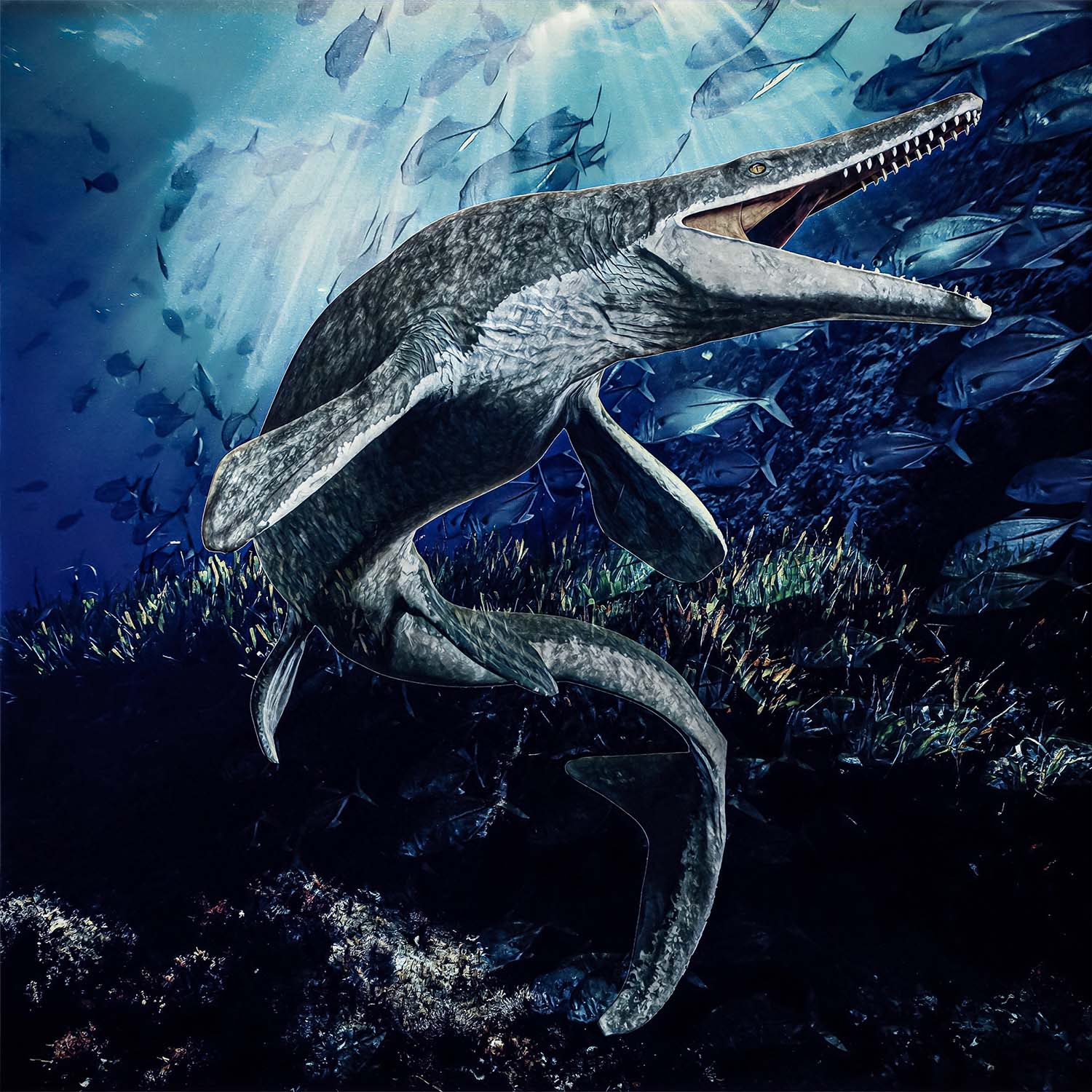
Featuring a long, snake-like neck and a stout body equipped with slender paddles, Plesiosaurs are one of the most readily identifiable of all ancient marine reptiles.
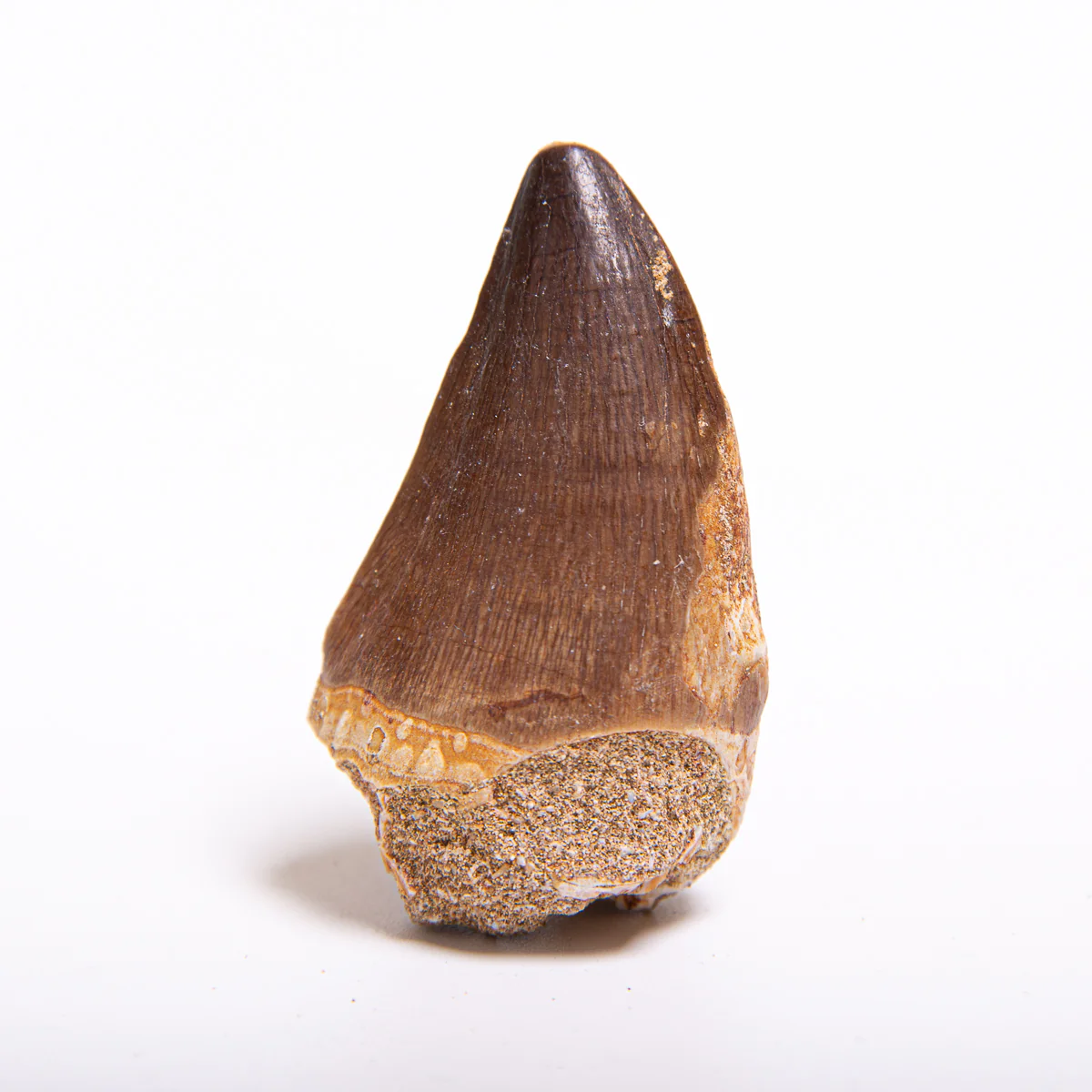
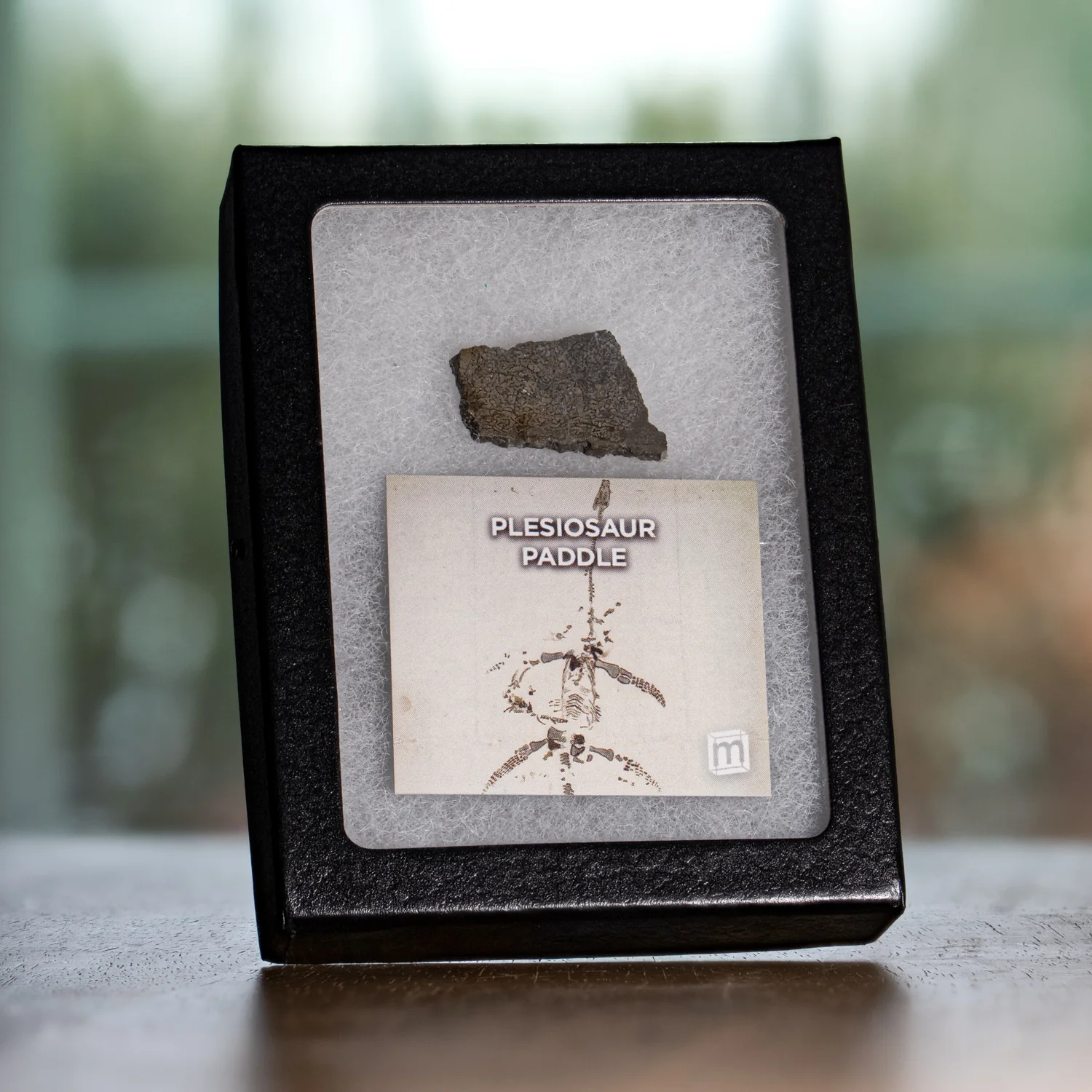
This specimen is a 0.75-1" fragment of a fossilized Plesiosaur paddle, used to propel the sea creature at high speed through the ocean. Our paddle specimens come from fragments of several Plesiosaurs, recovered on private land in the Lower Oxford Clay of Cambridgeshire and the Coast of Dorset in England. Some material also comes from the Morrison Formation in Utah. They date back over 150,000,000 years to the Jurassic Period.
The fossil comes in a glass-topped display case, complete with an informational card that serves as certificate of authenticity.
More Images
Plesiosaur Paddle Fossil
Featuring a long, snake-like neck and a stout body equipped with slender paddles, Plesiosaurs are one of the most readily identifiable of all ancient marine reptiles.
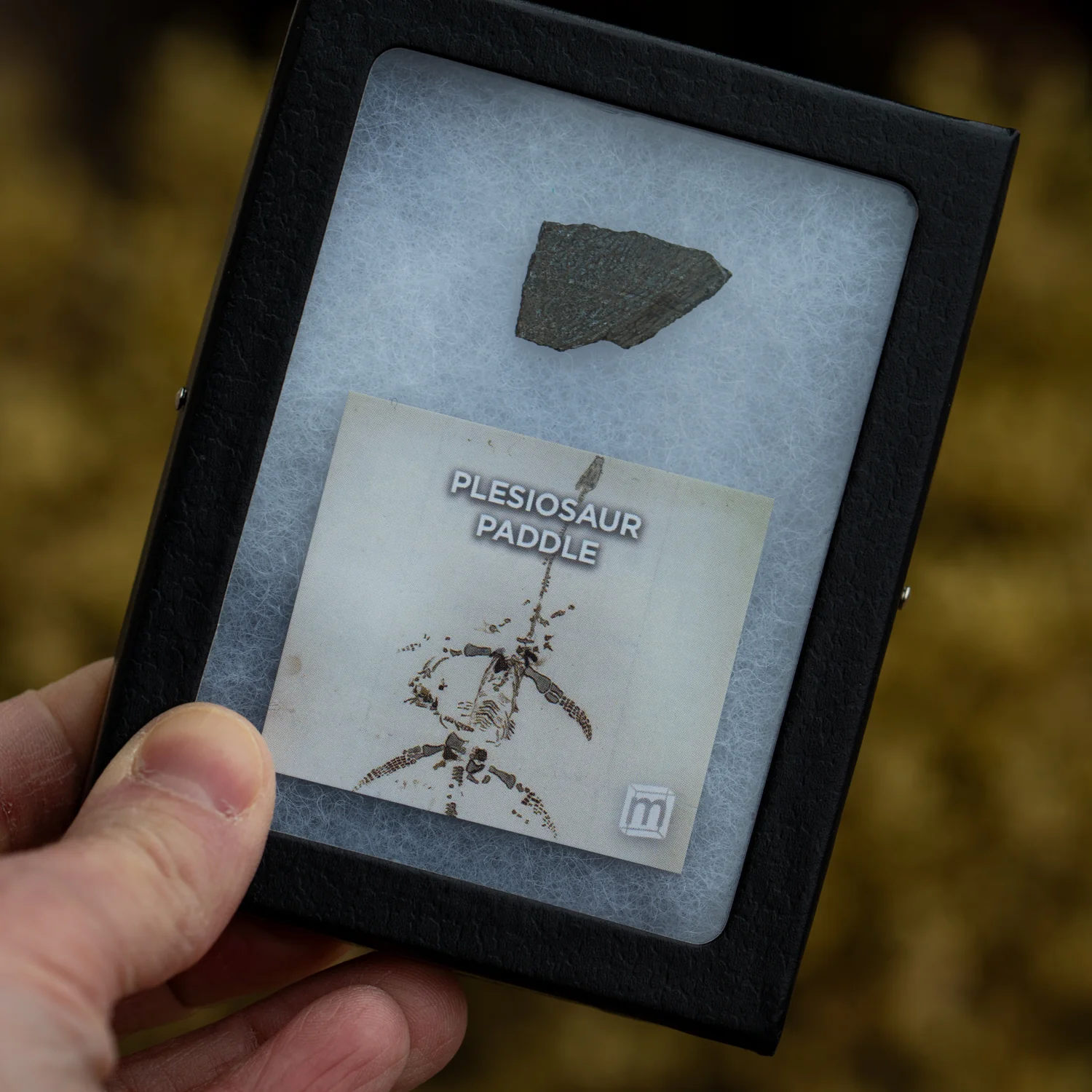
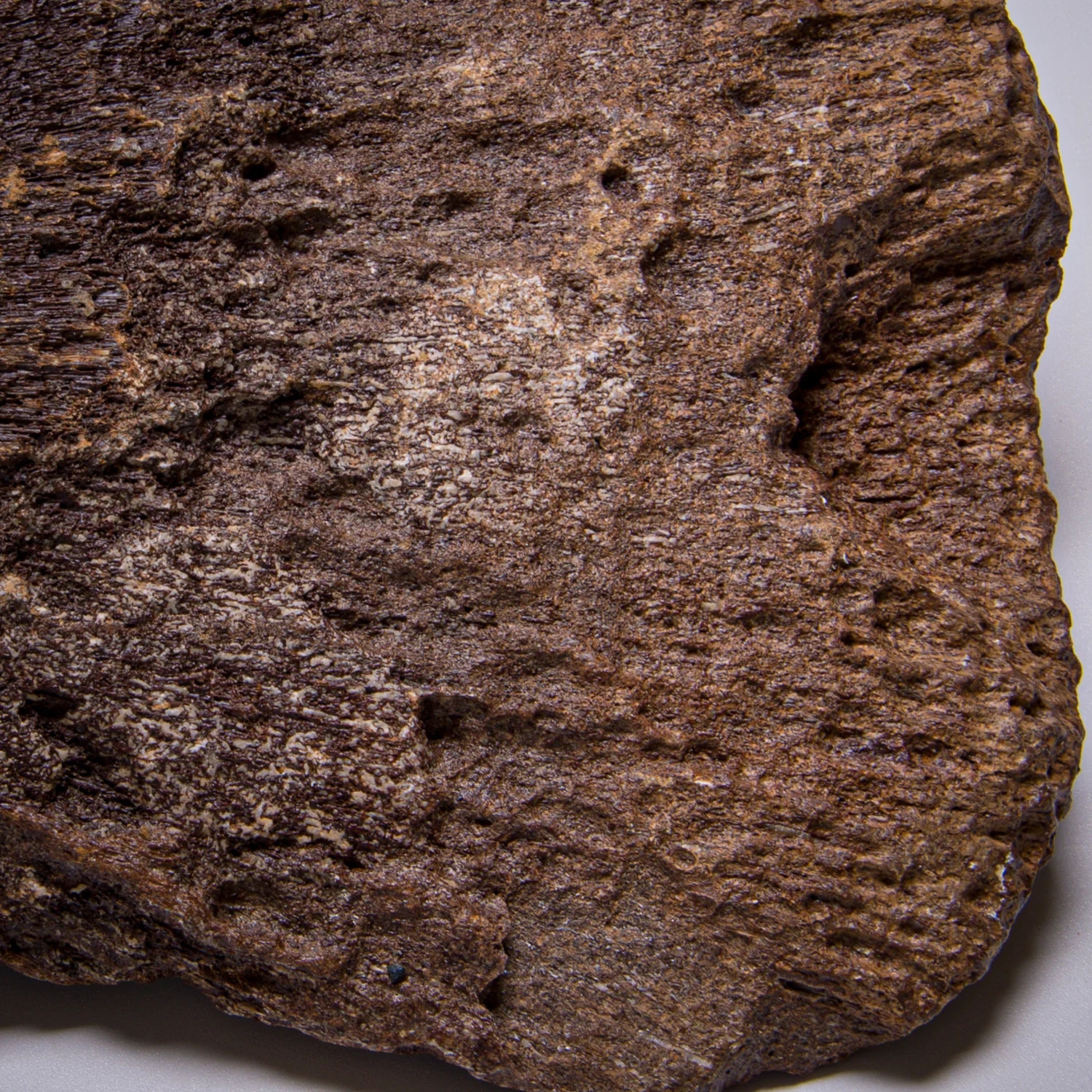
This specimen is a 0.75-1" fragment of a fossilized Plesiosaur paddle, used to propel the sea creature at high speed through the ocean. Our paddle specimens come from fragments of several Plesiosaurs, recovered on private land in the Lower Oxford Clay of Cambridgeshire and the Coast of Dorset in England. Some material also comes from the Morrison Formation in Utah. They date back over 150,000,000 years to the Jurassic Period.
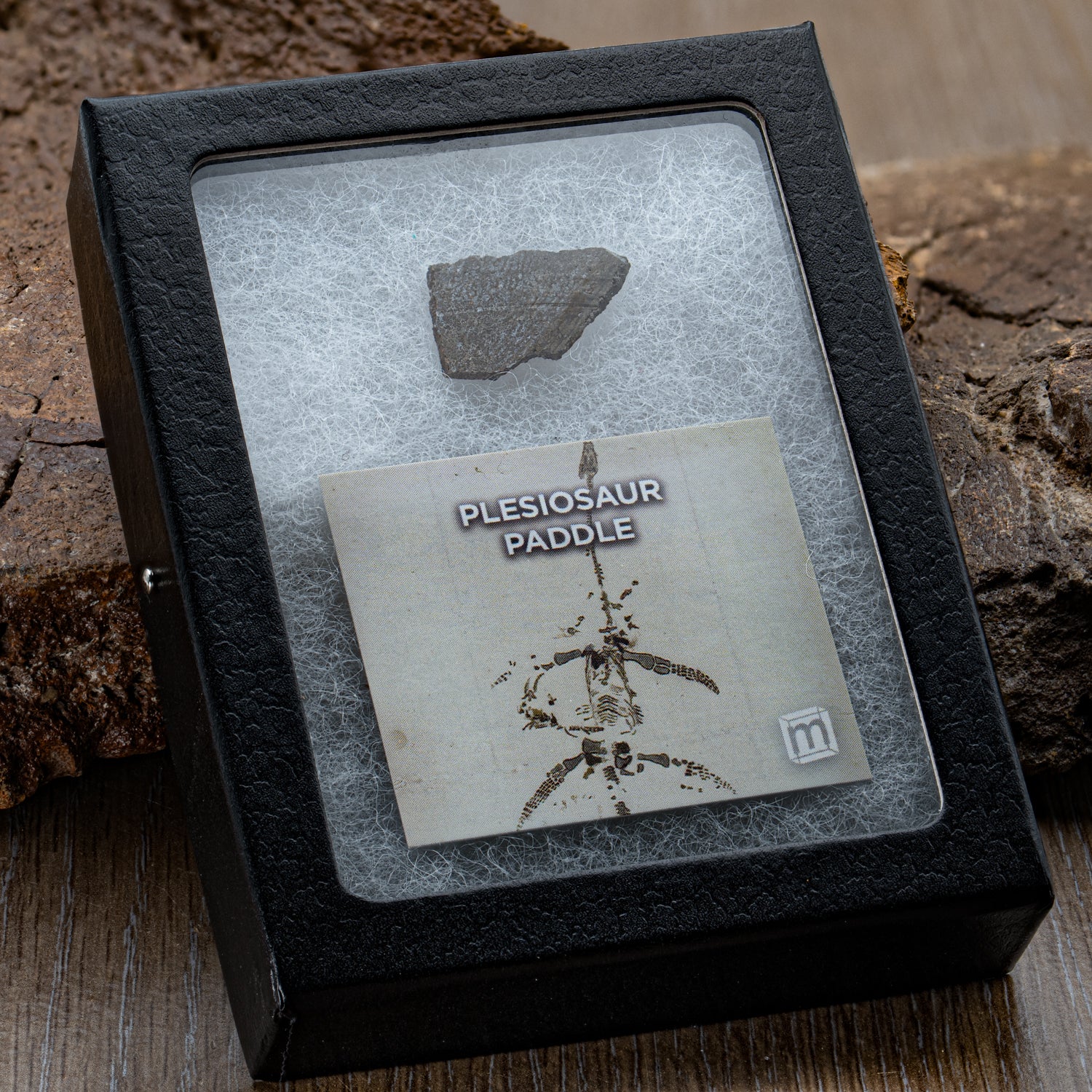
The fossil comes in a glass-topped display case, complete with an informational card that serves as certificate of authenticity.
Product Information
Product Information
Shipping & Returns
Shipping & Returns
Description
Featuring a long, snake-like neck and a stout body equipped with slender paddles, Plesiosaurs are one of the most readily identifiable of all ancient marine reptiles.
This specimen is a 0.75-1" fragment of a fossilized Plesiosaur paddle, used to propel the sea creature at high speed through the ocean. Our paddle specimens come from fragments of several Plesiosaurs, recovered on private land in the Lower Oxford Clay of Cambridgeshire and the Coast of Dorset in England. Some material also comes from the Morrison Formation in Utah. They date back over 150,000,000 years to the Jurassic Period.
The fossil comes in a glass-topped display case, complete with an informational card that serves as certificate of authenticity.