Sea Scorpion Eurypterids - SOLD 3.24" Eurypterus remipe Fossil
Over 420 million years ago, one unusual group of predators was a fearsome part of the food chain: the spiny arthropods known as sea scorpions. These creatures belonged to the Eurypterid order, a group of early aquatic arthropods that ranged in size from under an inch to eight feet long.
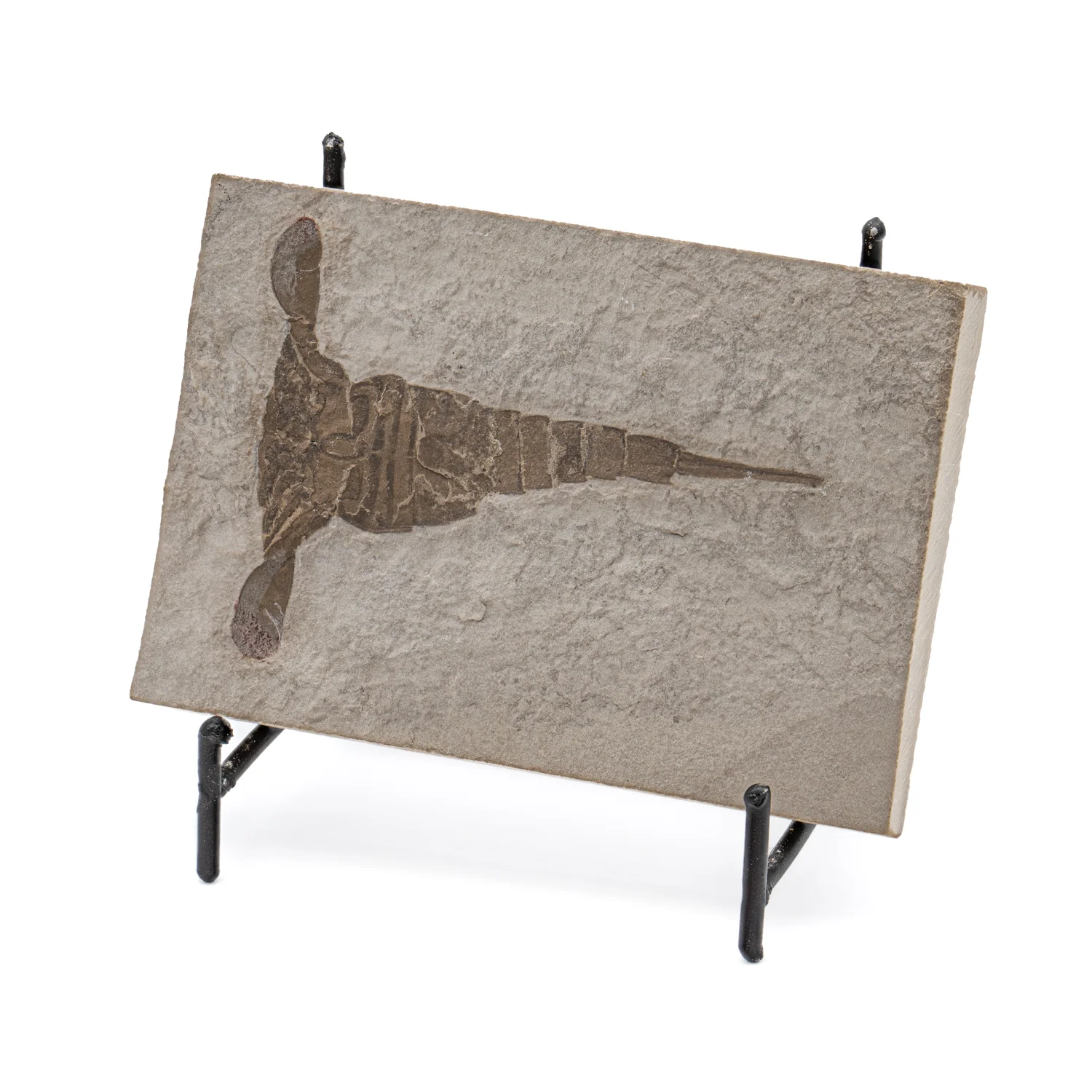
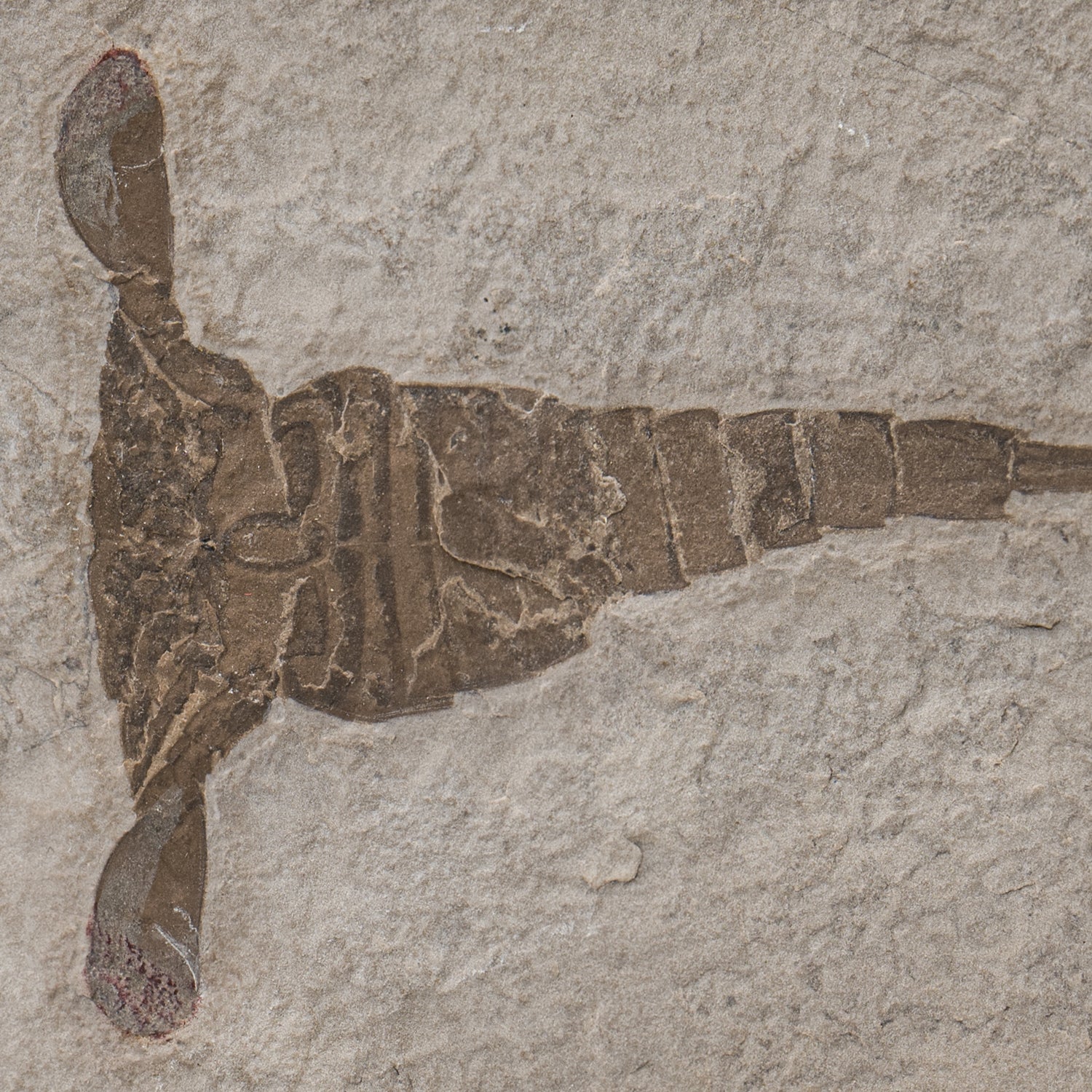
This specimen is a fossil of a sea scorpion from the species Eurypterus remipe, measuring 3.24". It was collected on private land in Lang's Quarry, part of the Upper Silurian Fiddler's Green Formation in New York. The fossil is estimated to be around 420,000,000 years old. More information on Eurypterids can be found below!
Original: $899.00
-70%$899.00
$269.70More Images
Sea Scorpion Eurypterids - SOLD 3.24" Eurypterus remipe Fossil
Over 420 million years ago, one unusual group of predators was a fearsome part of the food chain: the spiny arthropods known as sea scorpions. These creatures belonged to the Eurypterid order, a group of early aquatic arthropods that ranged in size from under an inch to eight feet long.
This specimen is a fossil of a sea scorpion from the species Eurypterus remipe, measuring 3.24". It was collected on private land in Lang's Quarry, part of the Upper Silurian Fiddler's Green Formation in New York. The fossil is estimated to be around 420,000,000 years old. More information on Eurypterids can be found below!
Product Information
Product Information
Shipping & Returns
Shipping & Returns
Description
Over 420 million years ago, one unusual group of predators was a fearsome part of the food chain: the spiny arthropods known as sea scorpions. These creatures belonged to the Eurypterid order, a group of early aquatic arthropods that ranged in size from under an inch to eight feet long.
This specimen is a fossil of a sea scorpion from the species Eurypterus remipe, measuring 3.24". It was collected on private land in Lang's Quarry, part of the Upper Silurian Fiddler's Green Formation in New York. The fossil is estimated to be around 420,000,000 years old. More information on Eurypterids can be found below!