Sea Urchin

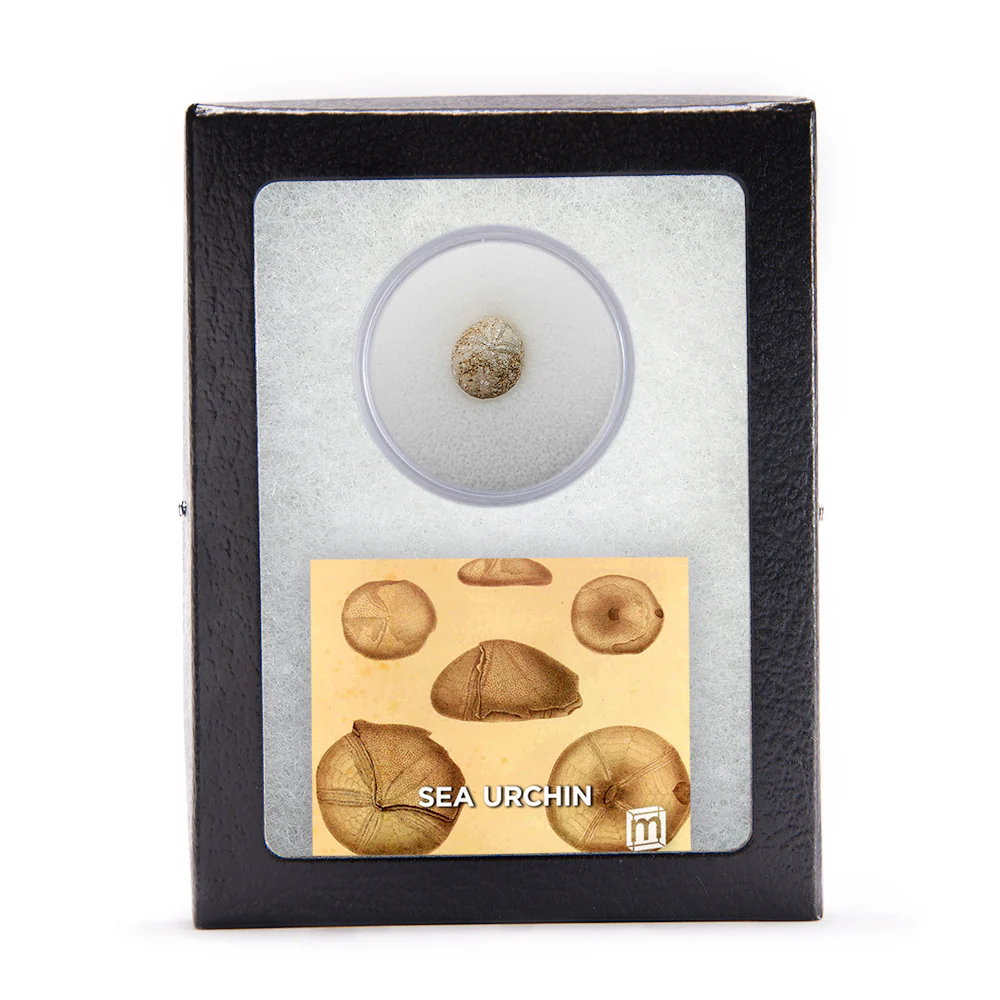
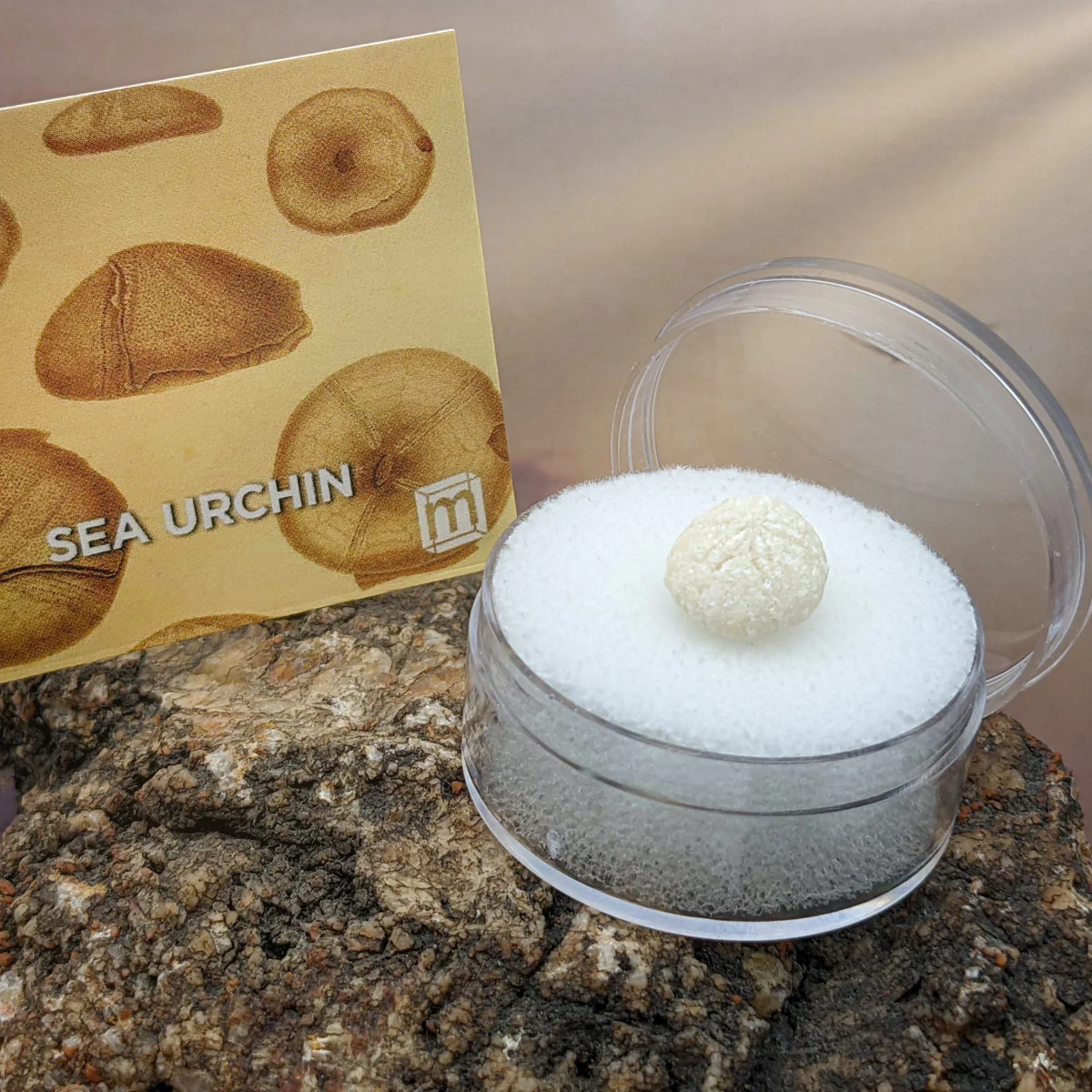
Above: Front of the Specimen Card
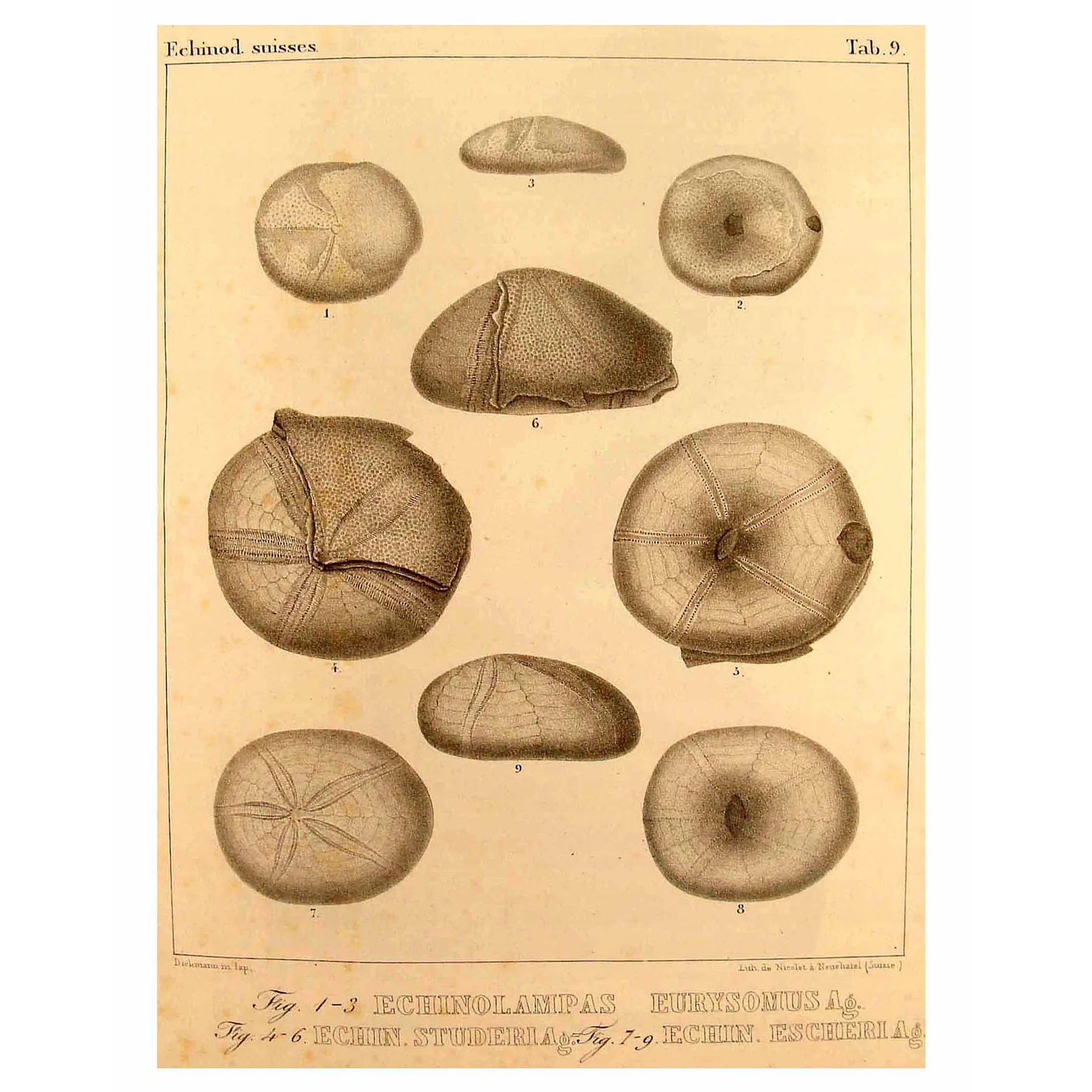
Ancient sea urchins, small and spiny creatures, have existed for millennia. These echinoids first appeared in oceans 450 million years ago, where they fed on algae and sponges. Their flexible spines’ purpose was two-fold: to protect against predators and allow for the slow crawl towards the urchin’s next meal. Buried for millions of years, their fossils appear in many places where those oceans once were and have inspired human cultures for thousands of years as thunderstones from the gods, though their true origin is far older.

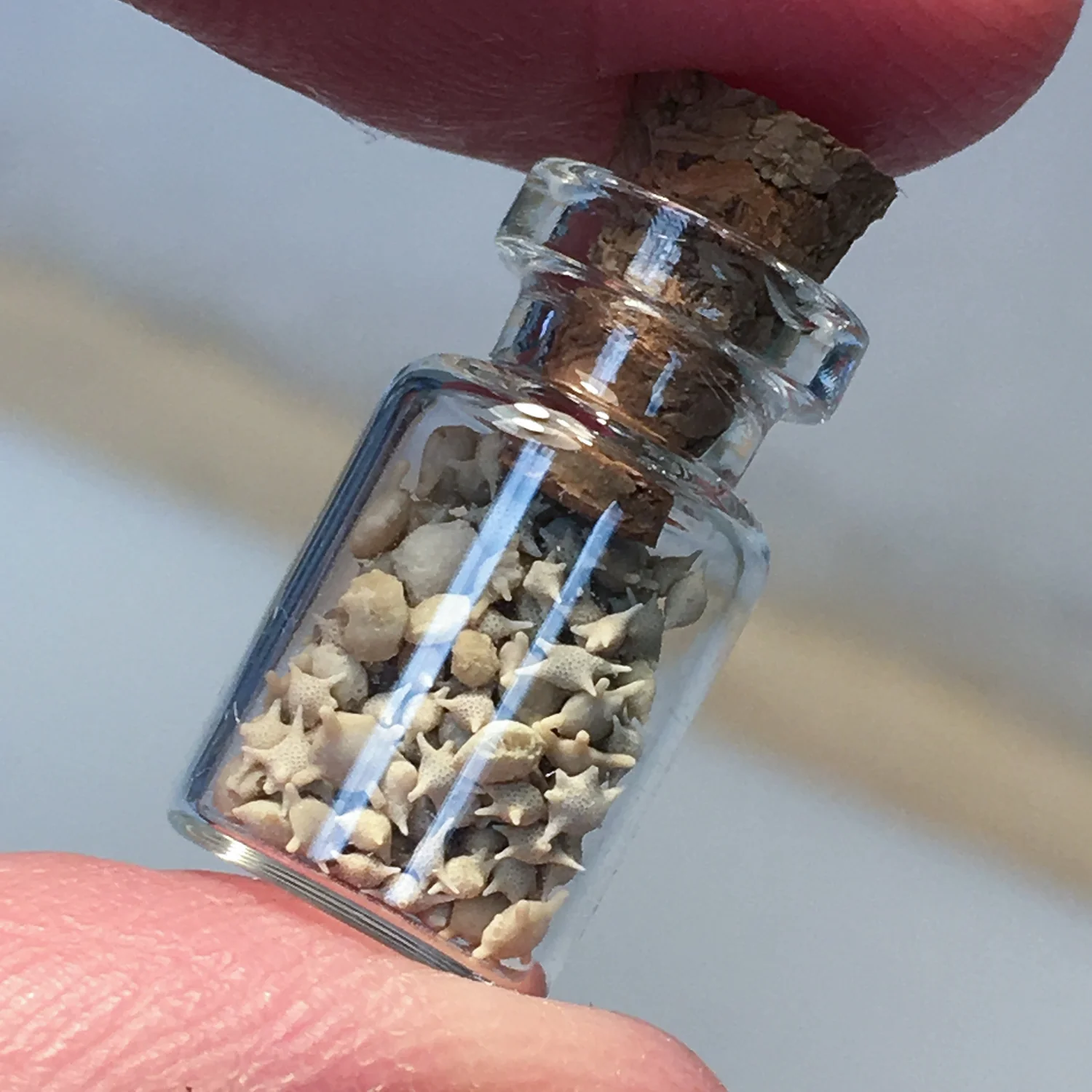
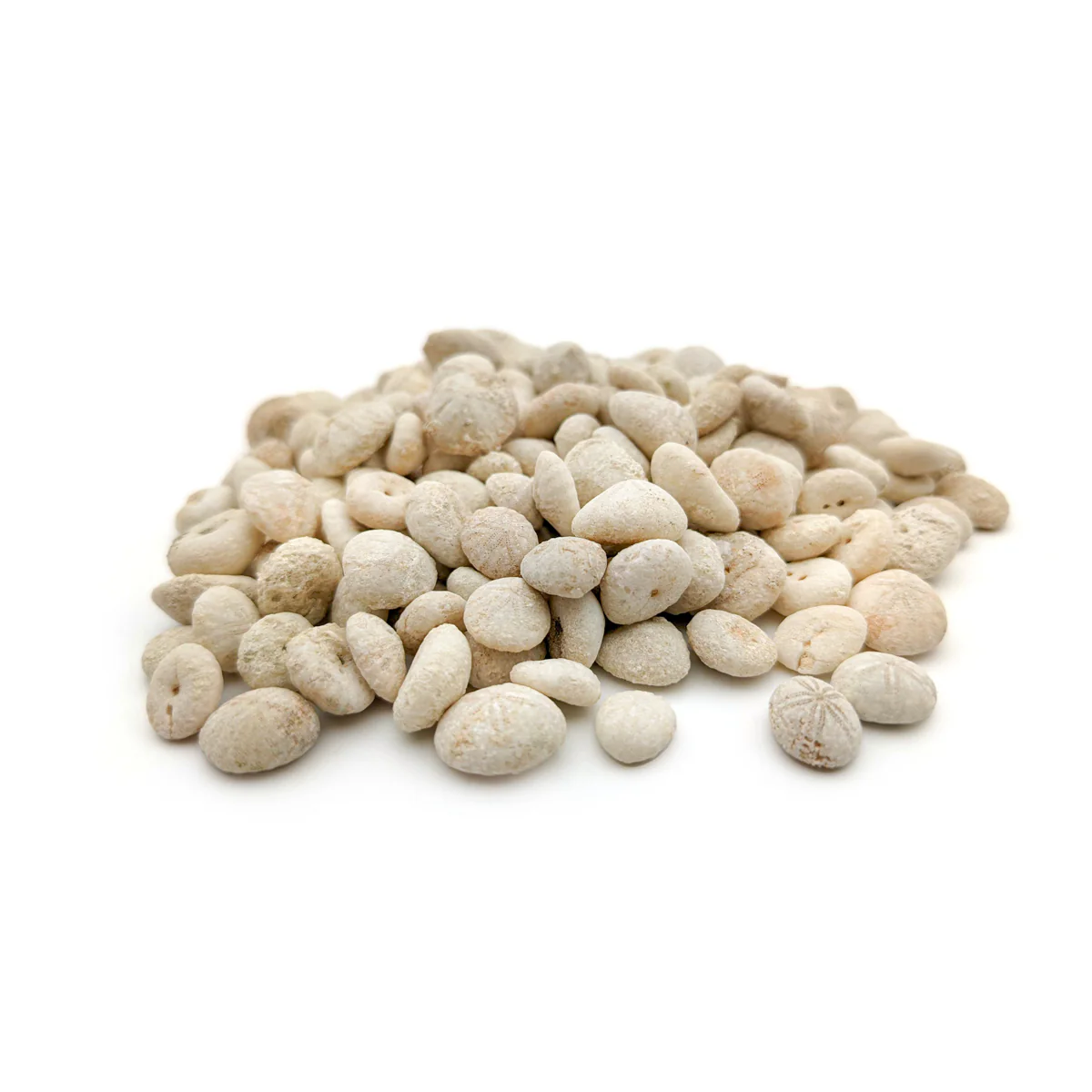
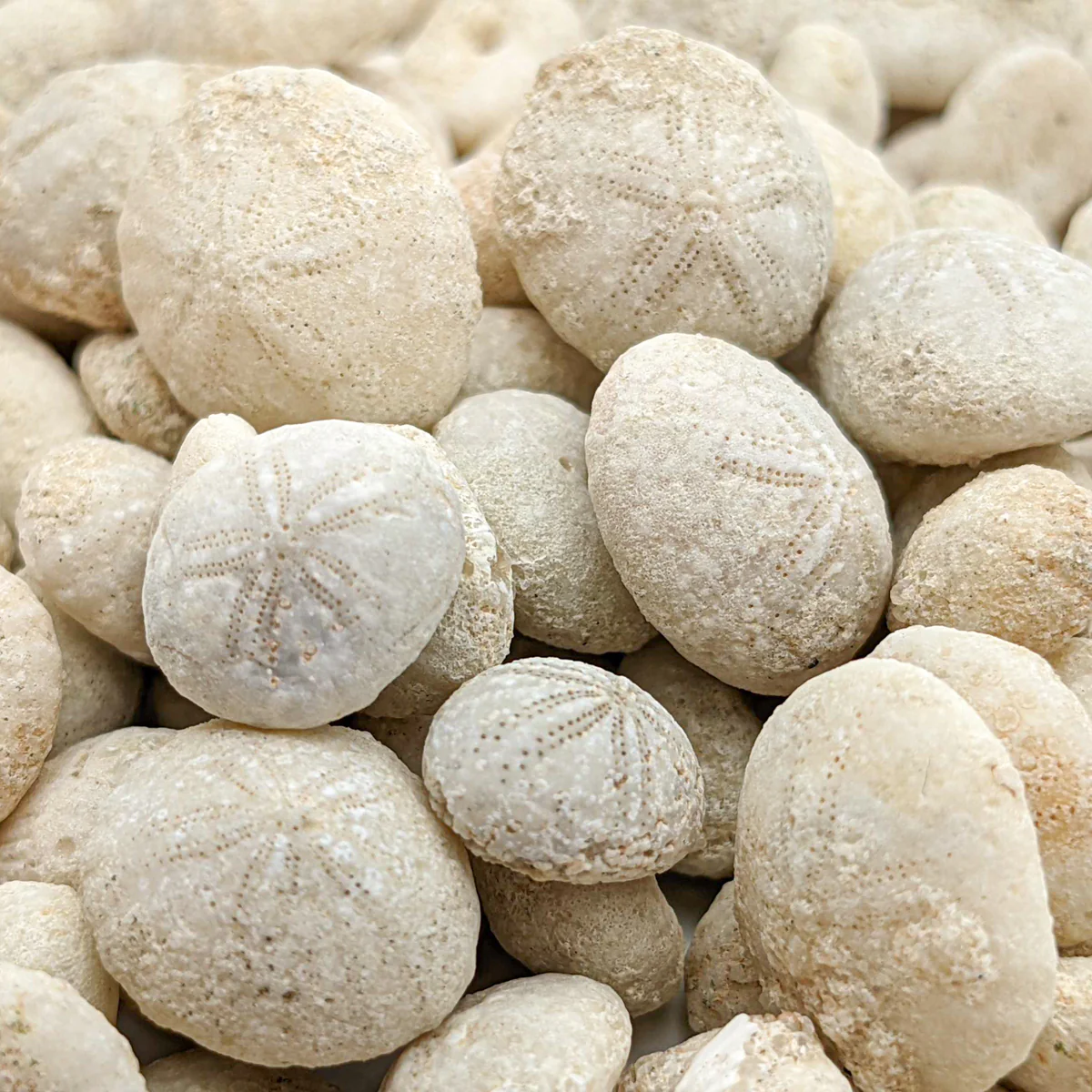
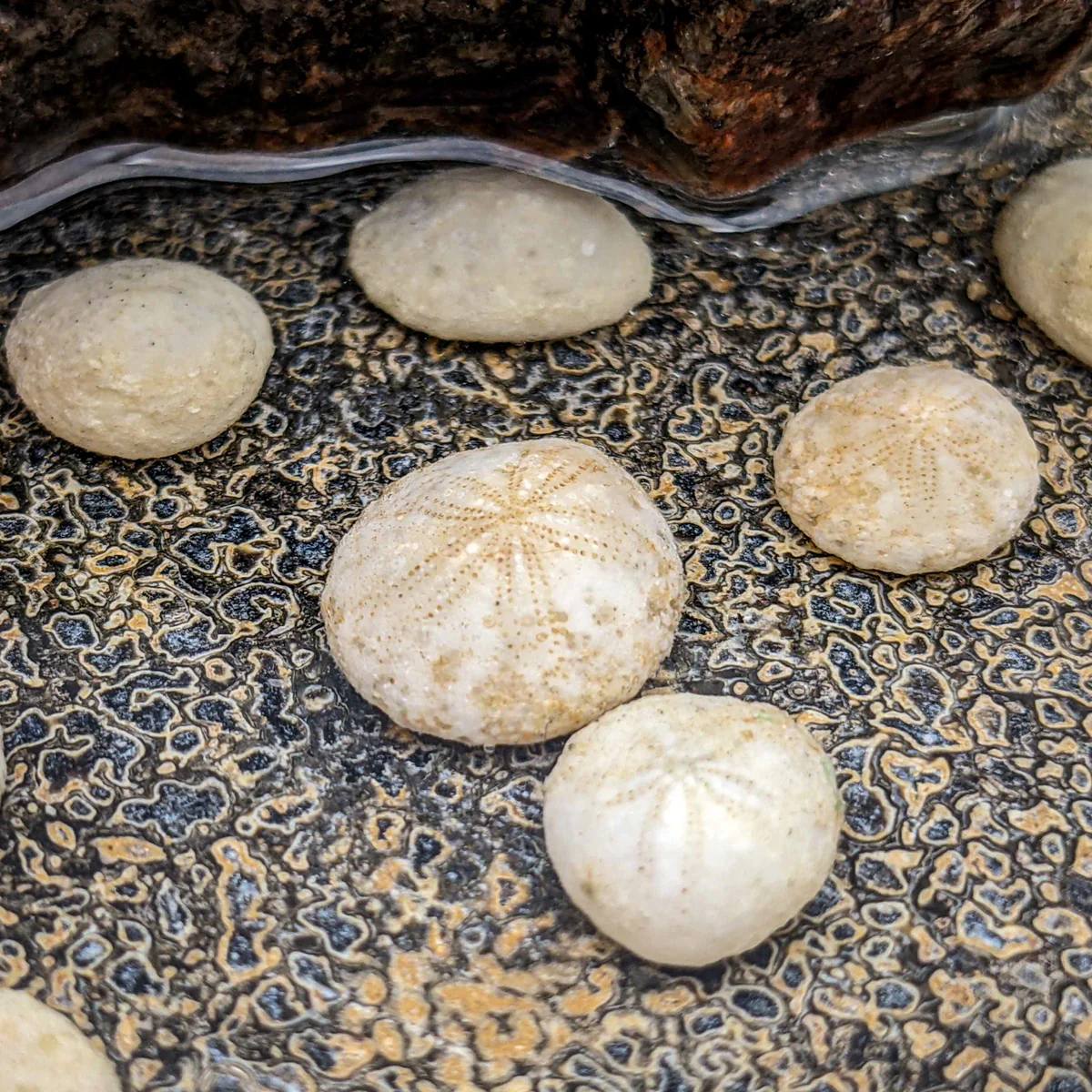
Above: Sea Urchin specimens taking a bath after millions of years in the desert.
This specimen is from the genus Echinolampas. It comes from Samlat Formation fossil beds near Dakhla in Southern Morocco. These deposits date to the Late Eocene epoch, roughly 35,000,000 years ago.

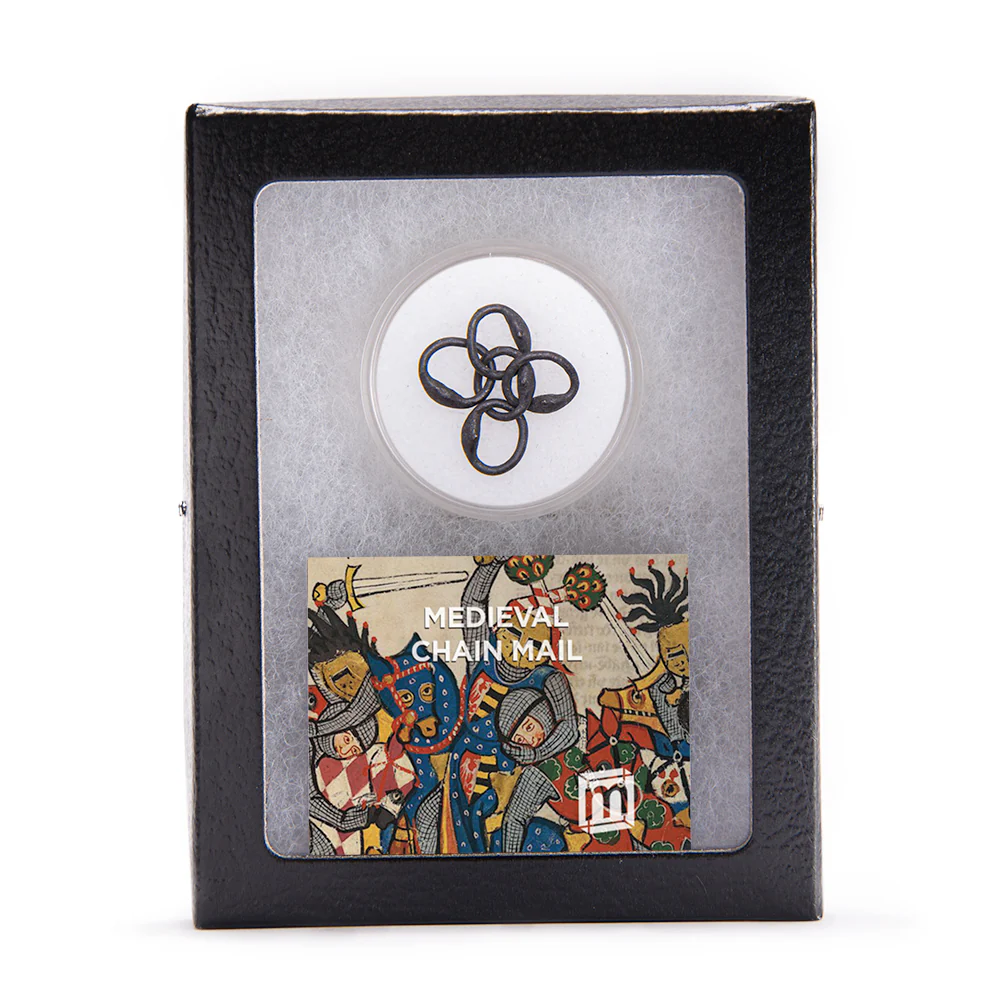
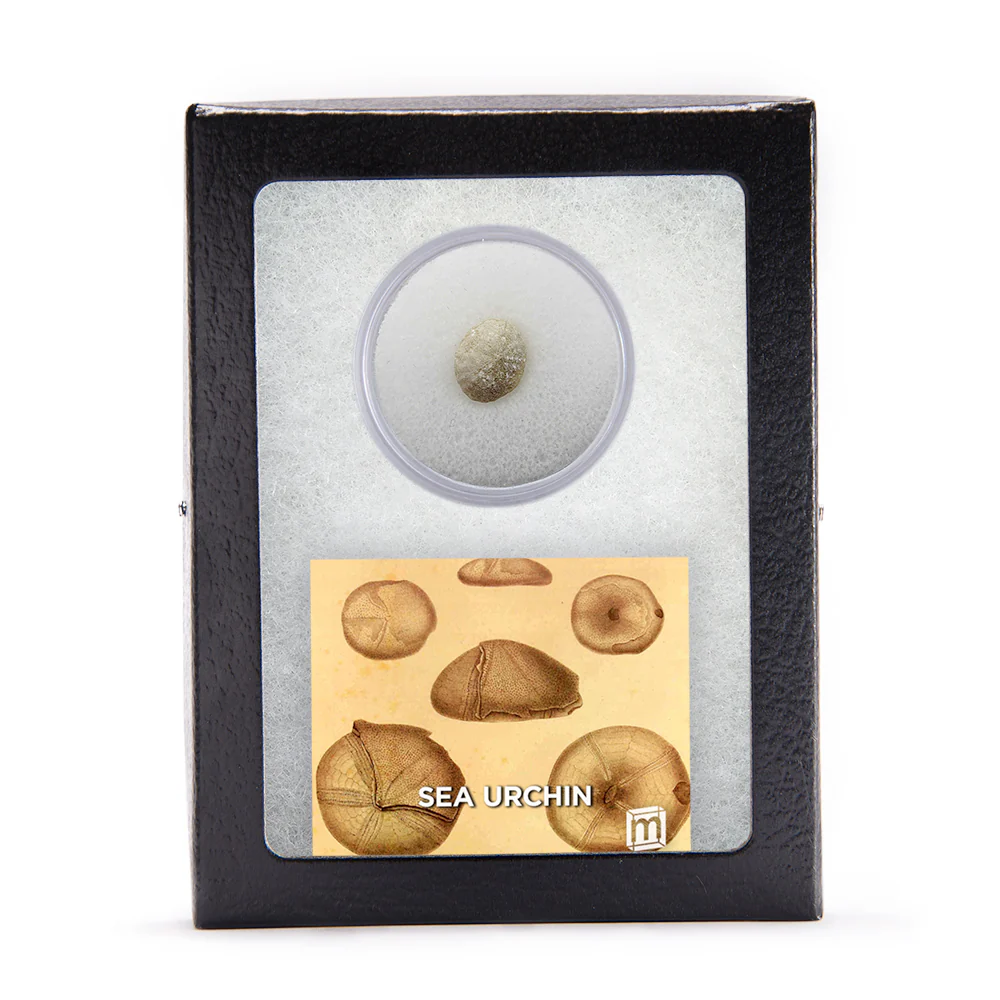
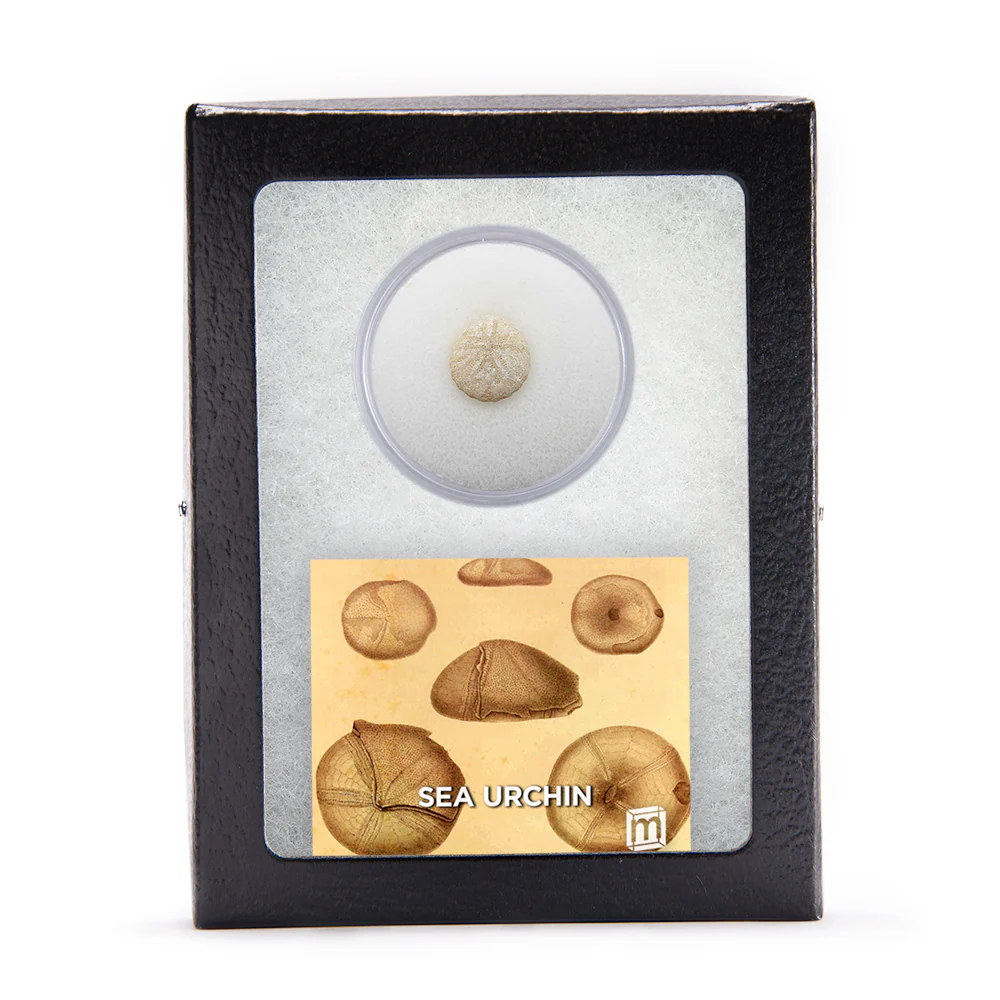
As pictured above, each specimen is hand-selected and comes encased in an acrylic specimen jar. The jar is housed in one of our classic, glass-topped riker display cases measuring 4 1/2" x 3 1/2". A small specimen card is also included, which serves as the certificate of authenticity.
Original: $29.00
-70%$29.00
$8.70More Images
Sea Urchin
Above: Front of the Specimen Card
Ancient sea urchins, small and spiny creatures, have existed for millennia. These echinoids first appeared in oceans 450 million years ago, where they fed on algae and sponges. Their flexible spines’ purpose was two-fold: to protect against predators and allow for the slow crawl towards the urchin’s next meal. Buried for millions of years, their fossils appear in many places where those oceans once were and have inspired human cultures for thousands of years as thunderstones from the gods, though their true origin is far older.
Above: Sea Urchin specimens taking a bath after millions of years in the desert.
This specimen is from the genus Echinolampas. It comes from Samlat Formation fossil beds near Dakhla in Southern Morocco. These deposits date to the Late Eocene epoch, roughly 35,000,000 years ago.
As pictured above, each specimen is hand-selected and comes encased in an acrylic specimen jar. The jar is housed in one of our classic, glass-topped riker display cases measuring 4 1/2" x 3 1/2". A small specimen card is also included, which serves as the certificate of authenticity.
Product Information
Product Information
Shipping & Returns
Shipping & Returns
Description
Above: Front of the Specimen Card
Ancient sea urchins, small and spiny creatures, have existed for millennia. These echinoids first appeared in oceans 450 million years ago, where they fed on algae and sponges. Their flexible spines’ purpose was two-fold: to protect against predators and allow for the slow crawl towards the urchin’s next meal. Buried for millions of years, their fossils appear in many places where those oceans once were and have inspired human cultures for thousands of years as thunderstones from the gods, though their true origin is far older.
Above: Sea Urchin specimens taking a bath after millions of years in the desert.
This specimen is from the genus Echinolampas. It comes from Samlat Formation fossil beds near Dakhla in Southern Morocco. These deposits date to the Late Eocene epoch, roughly 35,000,000 years ago.
As pictured above, each specimen is hand-selected and comes encased in an acrylic specimen jar. The jar is housed in one of our classic, glass-topped riker display cases measuring 4 1/2" x 3 1/2". A small specimen card is also included, which serves as the certificate of authenticity.