SEEDS II - NASA Space Exposed Seeds and Educational Kit
This specimen is an incredible NASA educational kit containing space-flown tomato seeds!
In 1997, NASA began the SEEDS II project, a follow-up to 1984's immensely successful Space Exposed Experiment Developed for Students. These experiments saw millions of seeds sent to outer space to study how zero-g and vacuum exposure would affect their growth rate.
The SEEDS II tomato seeds were distributed to students in universities, high schools, and elementary schools across the country to track germination and growth. Included with the SEEDS II experiment were underwater habitat seeds and a packet of control seeds.
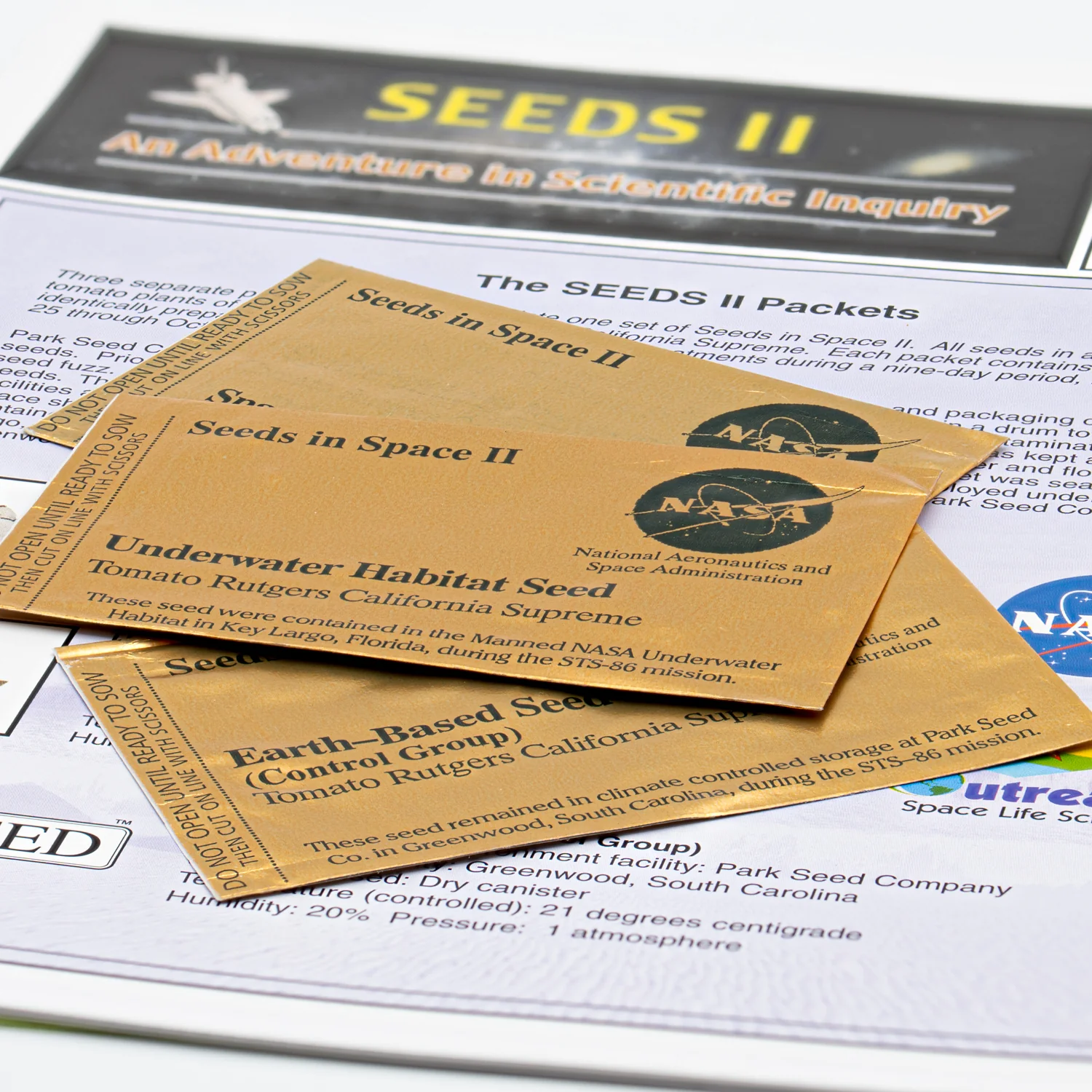
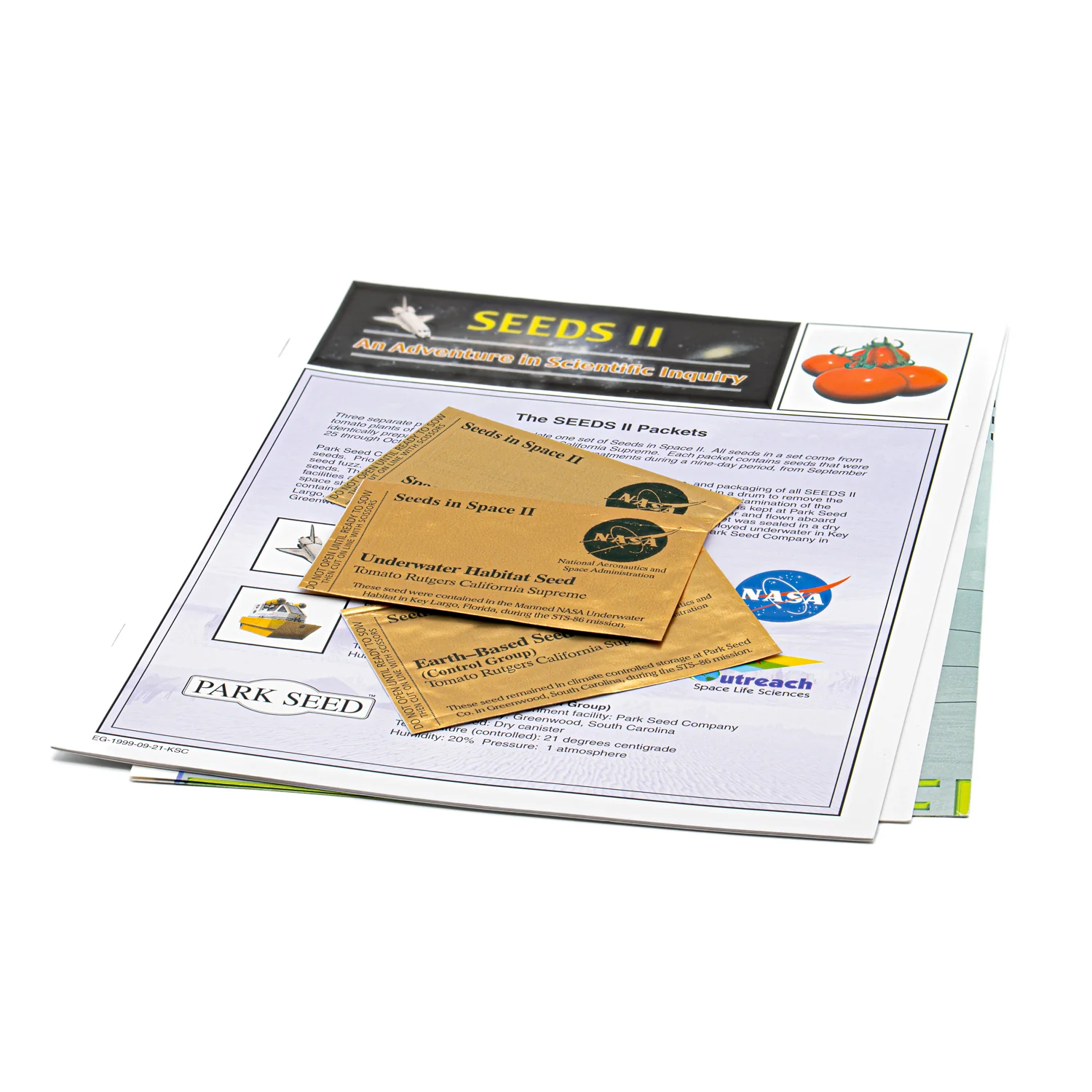
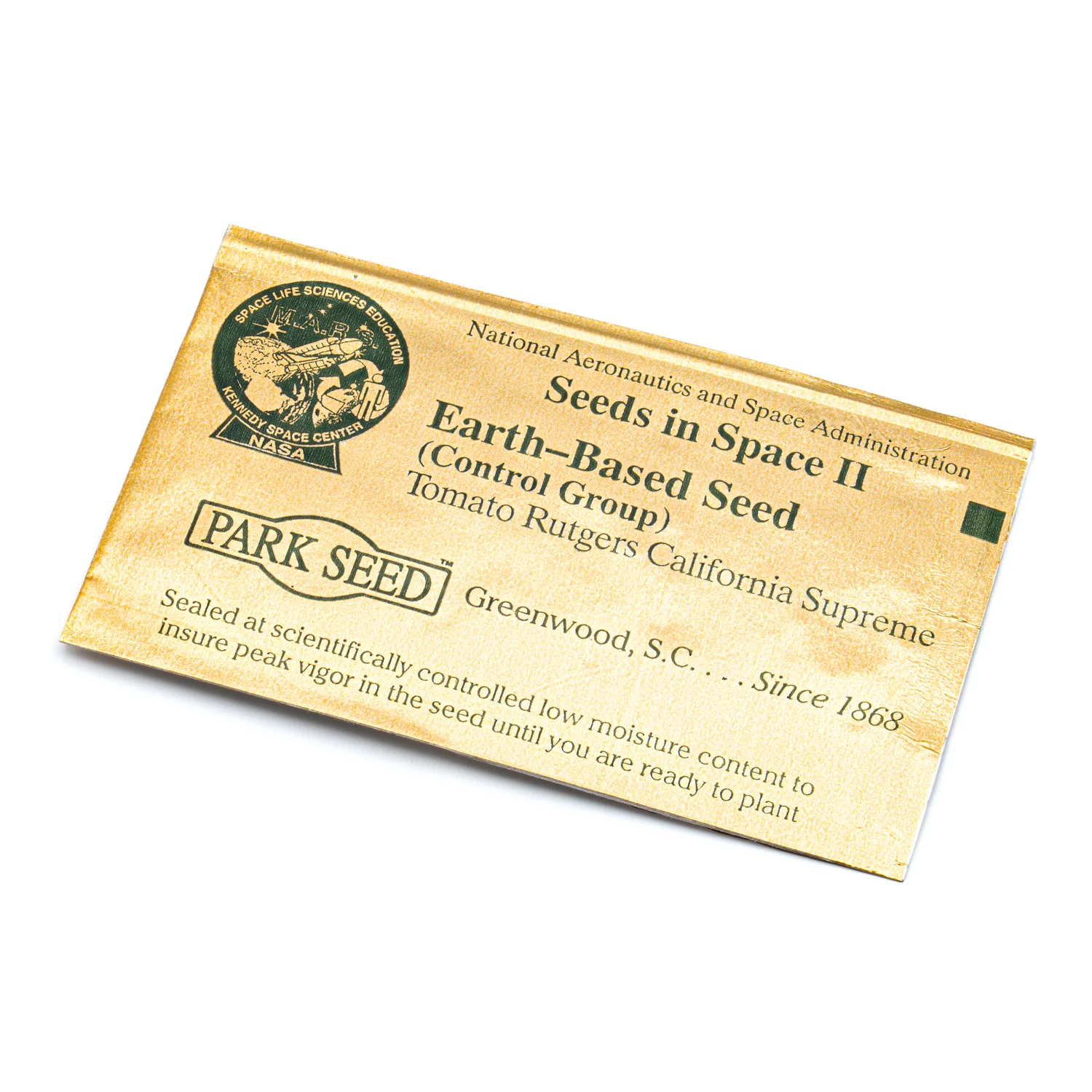
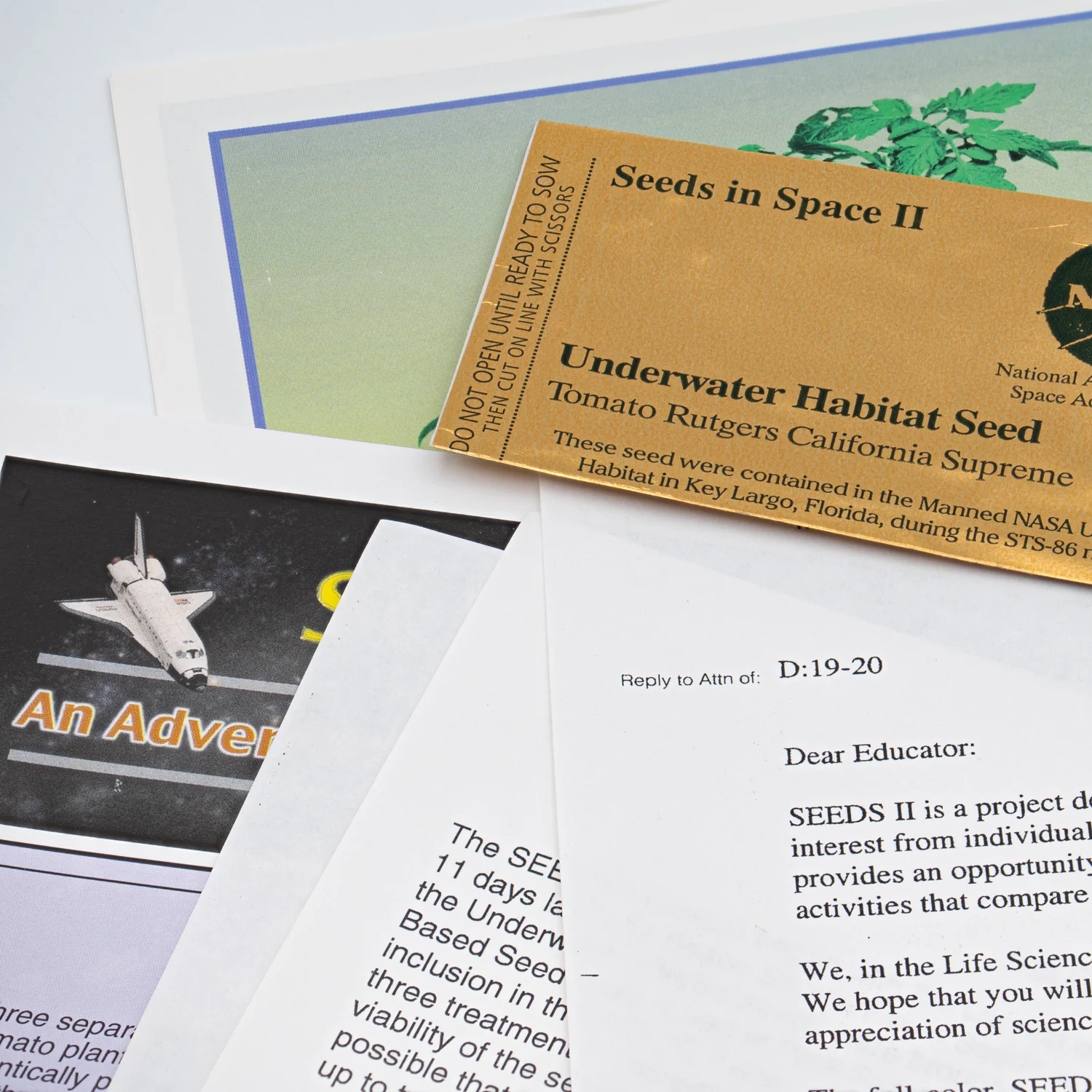
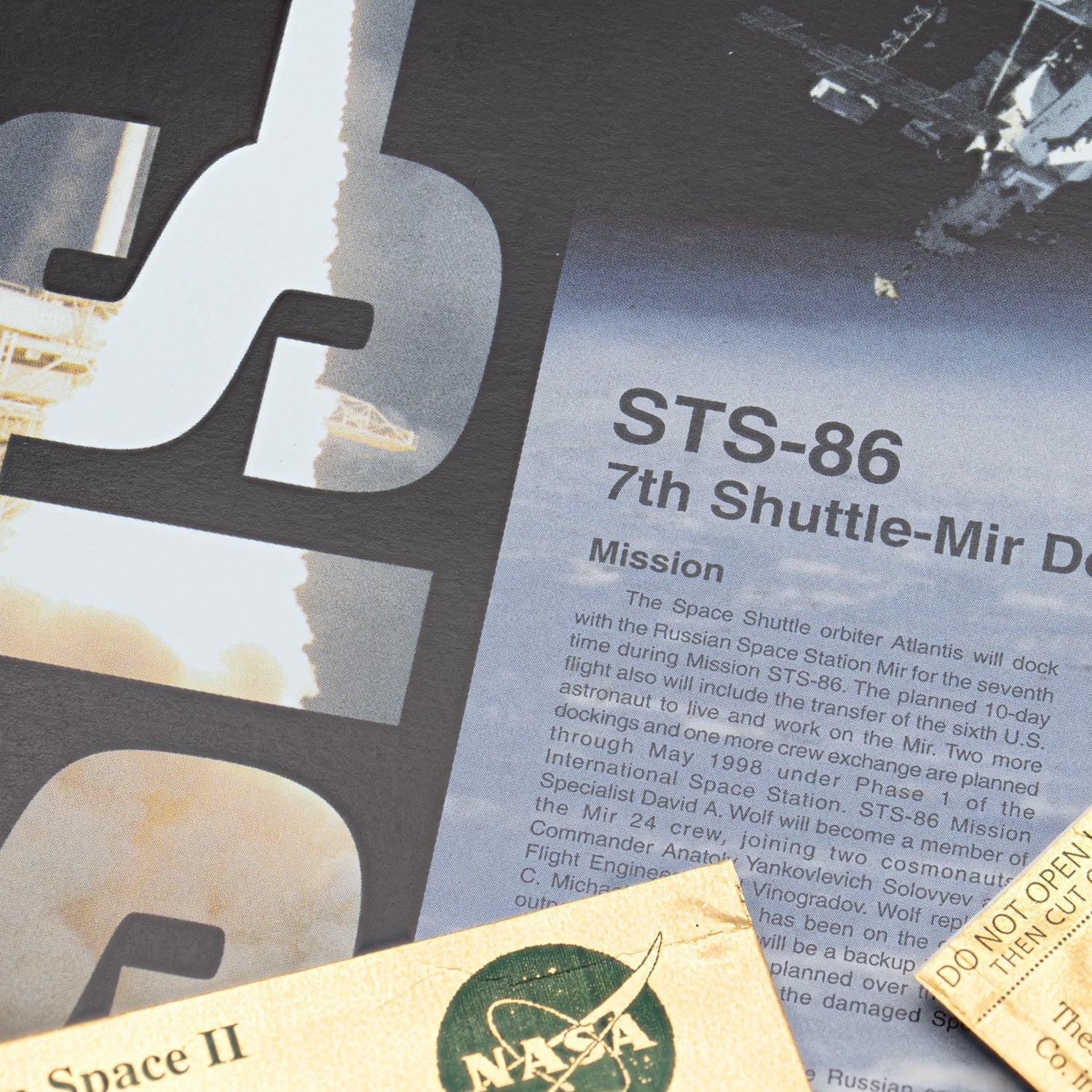
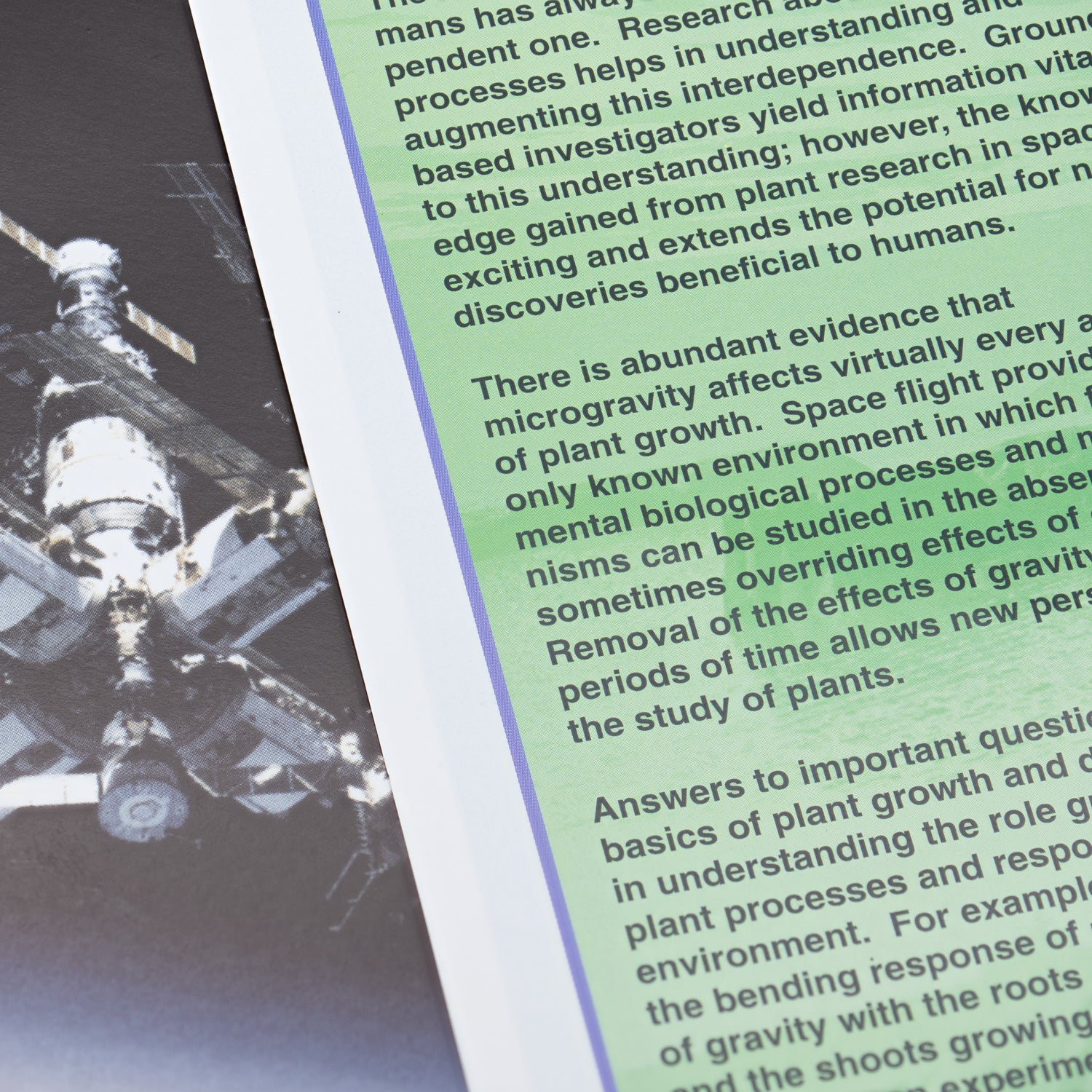
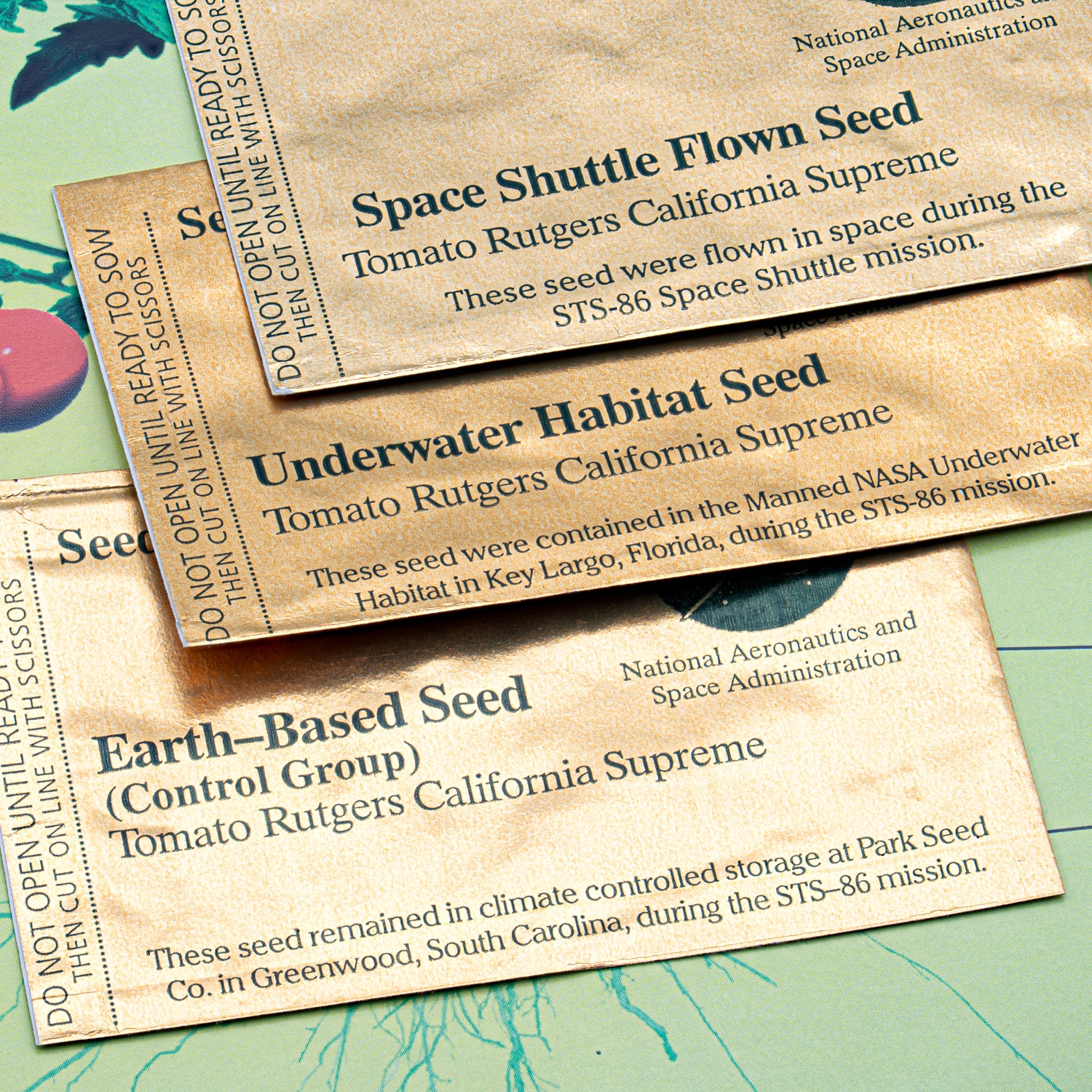
This specimen is one of the educator kits prepared by NASA, including three seed packets (space-exposed, underwater habitat, and control) and scientific materials about the project. Between both SEEDS projects, thousands of schools around the United States received packets like this to gather data and reported that once planted, these tomato seeds grew noticeably faster than the control group of regular seeds.
International Shipping: Due to customs regulations, this product can only be shipped to customers in the US.
Note: These tomato seeds are quite old at this point, and we cannot guarantee they will still germinate. They are intended for use as a unique display item rather than planting.
More Images
SEEDS II - NASA Space Exposed Seeds and Educational Kit
This specimen is an incredible NASA educational kit containing space-flown tomato seeds!
In 1997, NASA began the SEEDS II project, a follow-up to 1984's immensely successful Space Exposed Experiment Developed for Students. These experiments saw millions of seeds sent to outer space to study how zero-g and vacuum exposure would affect their growth rate.
The SEEDS II tomato seeds were distributed to students in universities, high schools, and elementary schools across the country to track germination and growth. Included with the SEEDS II experiment were underwater habitat seeds and a packet of control seeds.
This specimen is one of the educator kits prepared by NASA, including three seed packets (space-exposed, underwater habitat, and control) and scientific materials about the project. Between both SEEDS projects, thousands of schools around the United States received packets like this to gather data and reported that once planted, these tomato seeds grew noticeably faster than the control group of regular seeds.
International Shipping: Due to customs regulations, this product can only be shipped to customers in the US.
Note: These tomato seeds are quite old at this point, and we cannot guarantee they will still germinate. They are intended for use as a unique display item rather than planting.
Product Information
Product Information
Shipping & Returns
Shipping & Returns
Description
This specimen is an incredible NASA educational kit containing space-flown tomato seeds!
In 1997, NASA began the SEEDS II project, a follow-up to 1984's immensely successful Space Exposed Experiment Developed for Students. These experiments saw millions of seeds sent to outer space to study how zero-g and vacuum exposure would affect their growth rate.
The SEEDS II tomato seeds were distributed to students in universities, high schools, and elementary schools across the country to track germination and growth. Included with the SEEDS II experiment were underwater habitat seeds and a packet of control seeds.
This specimen is one of the educator kits prepared by NASA, including three seed packets (space-exposed, underwater habitat, and control) and scientific materials about the project. Between both SEEDS projects, thousands of schools around the United States received packets like this to gather data and reported that once planted, these tomato seeds grew noticeably faster than the control group of regular seeds.
International Shipping: Due to customs regulations, this product can only be shipped to customers in the US.
Note: These tomato seeds are quite old at this point, and we cannot guarantee they will still germinate. They are intended for use as a unique display item rather than planting.