Travertine Speleothem Cross Section
Millions of years of formation...
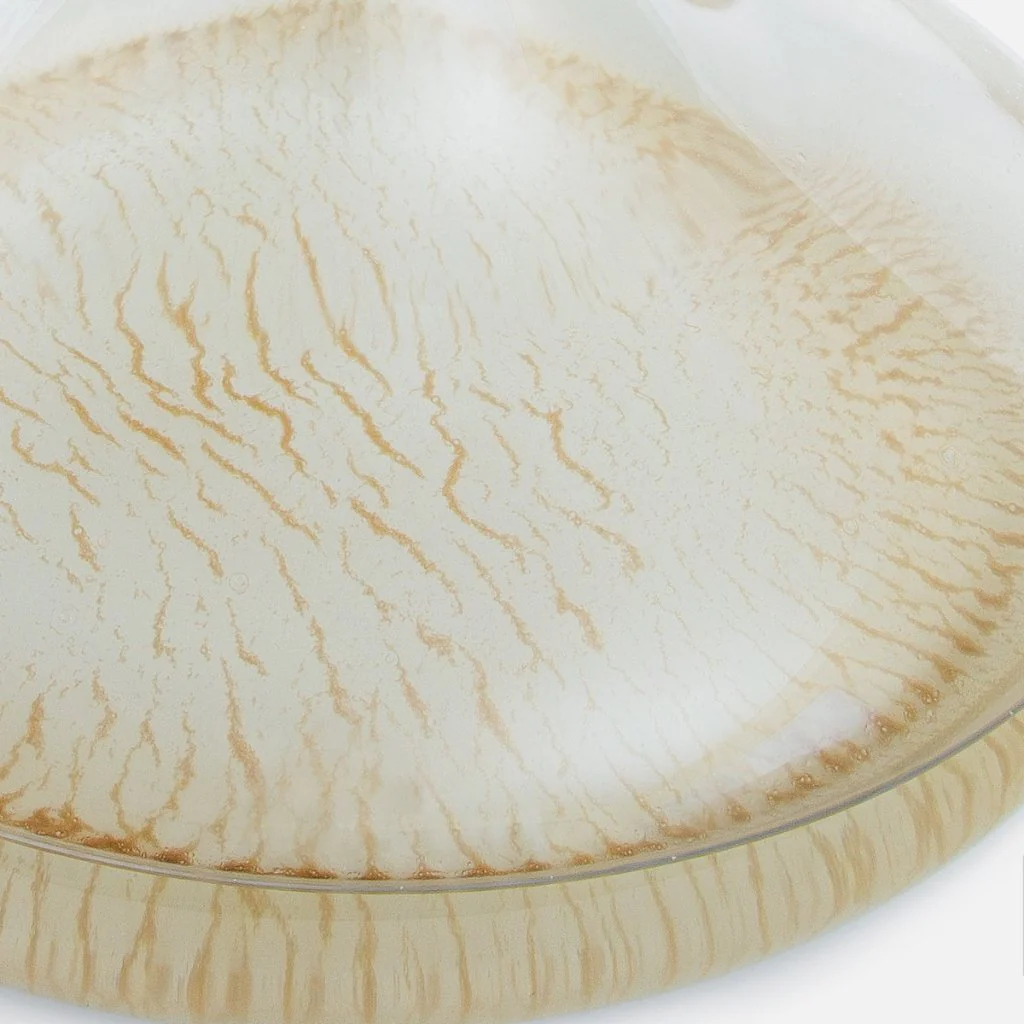
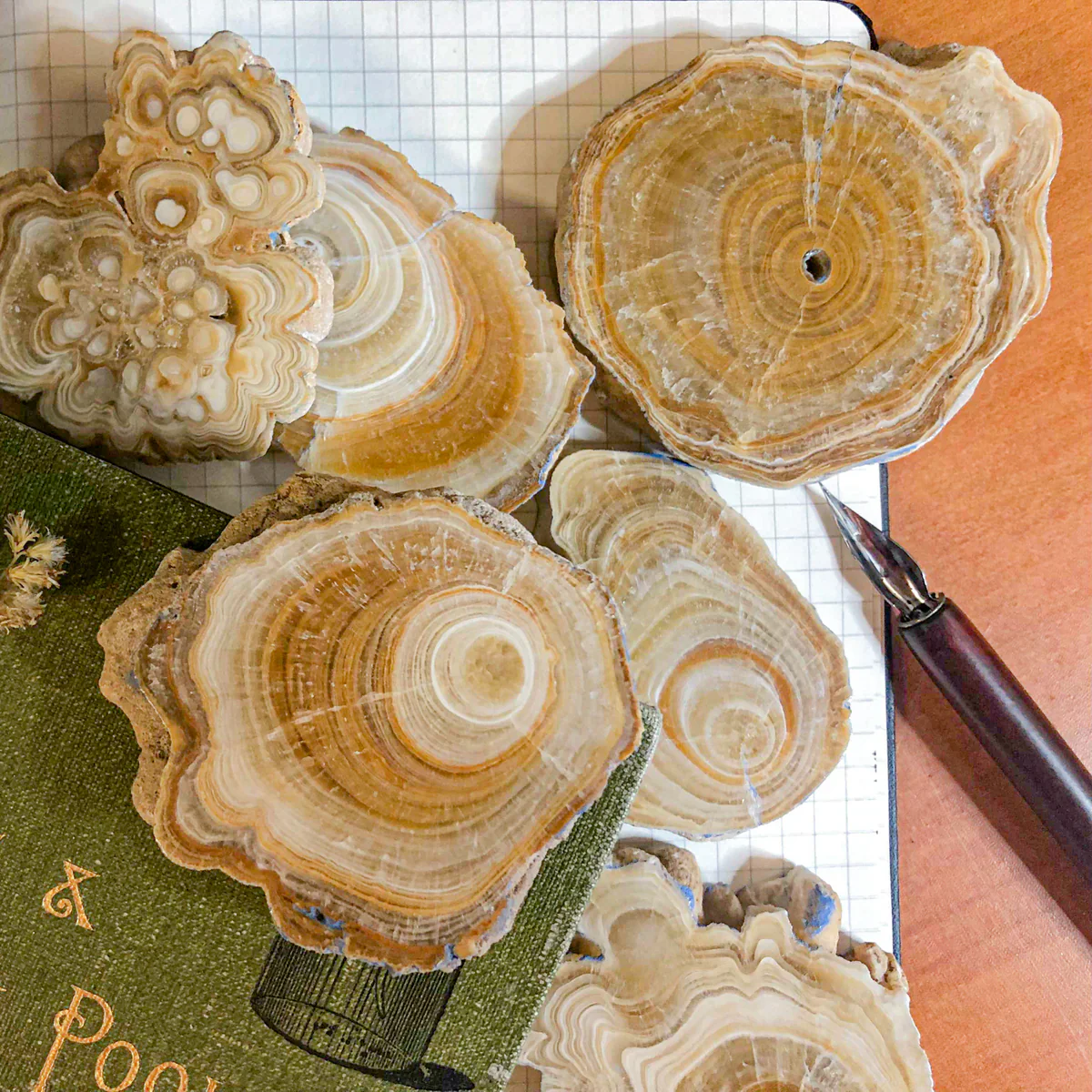
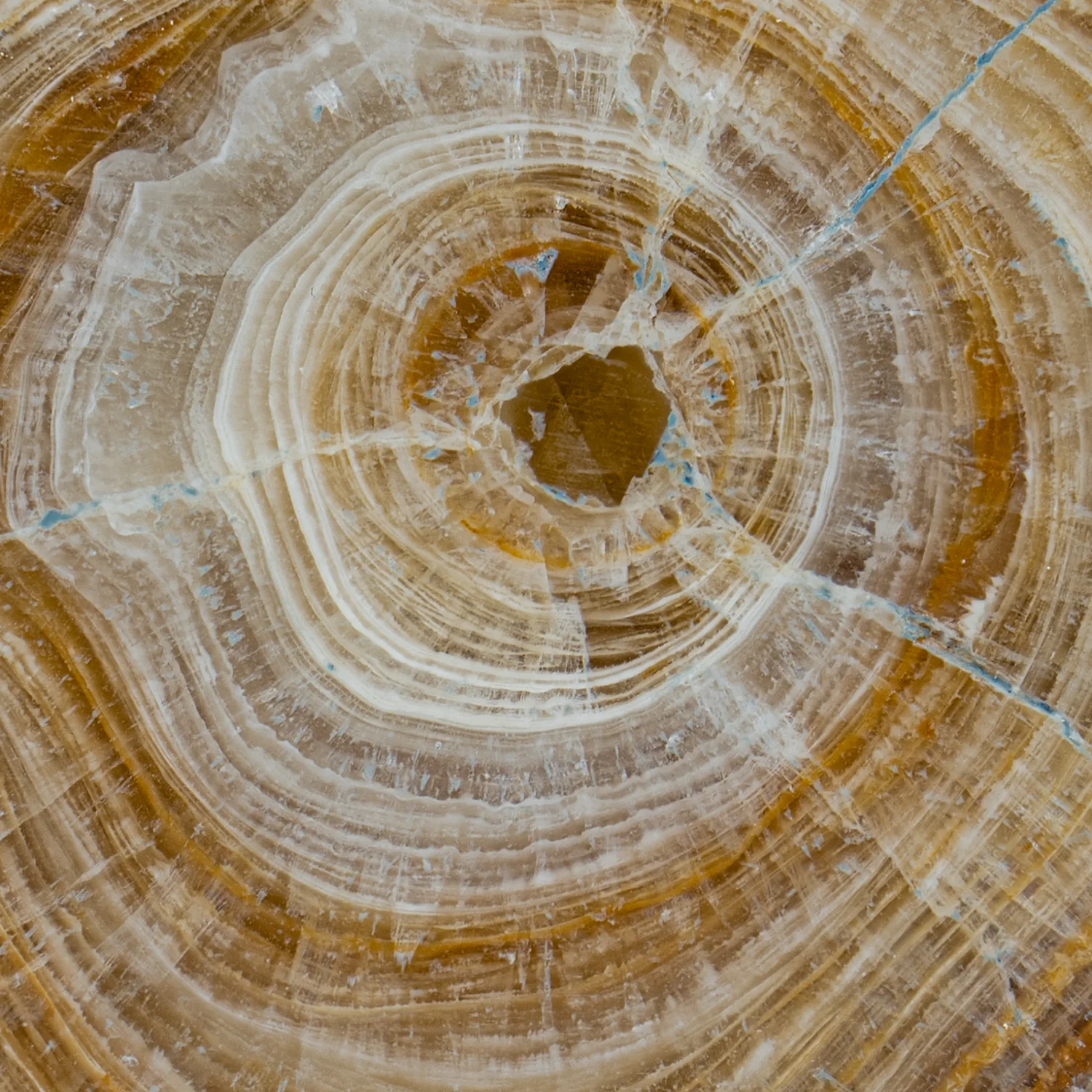
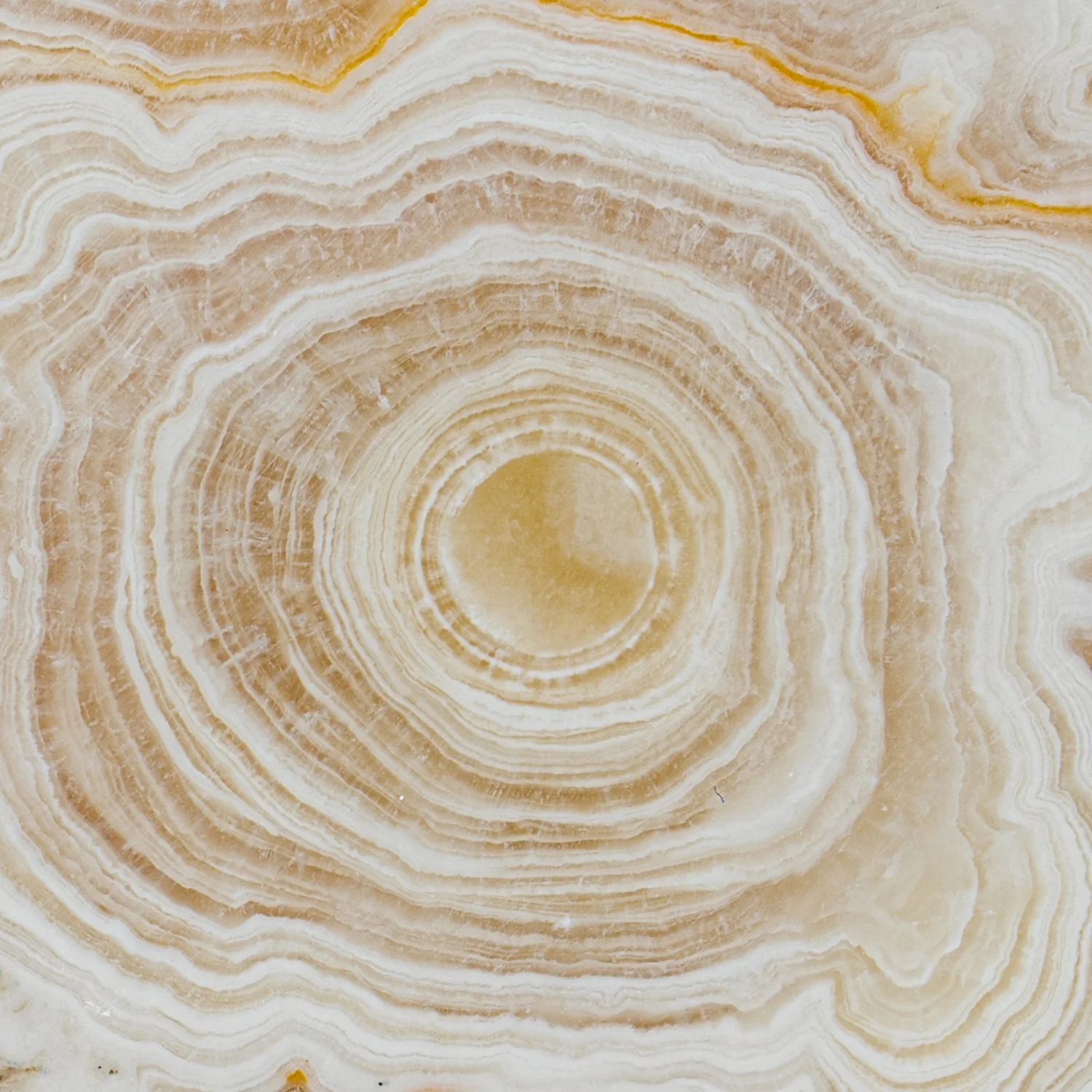
This specimen is a travertine speleothem cross-section. Like the rings of a tree, the circular pattern shows the growth of the limestone over the course of millions of years. Humans have always been fascinated by its beauty, with many classical buildings like the Colosseum being built from travertine.
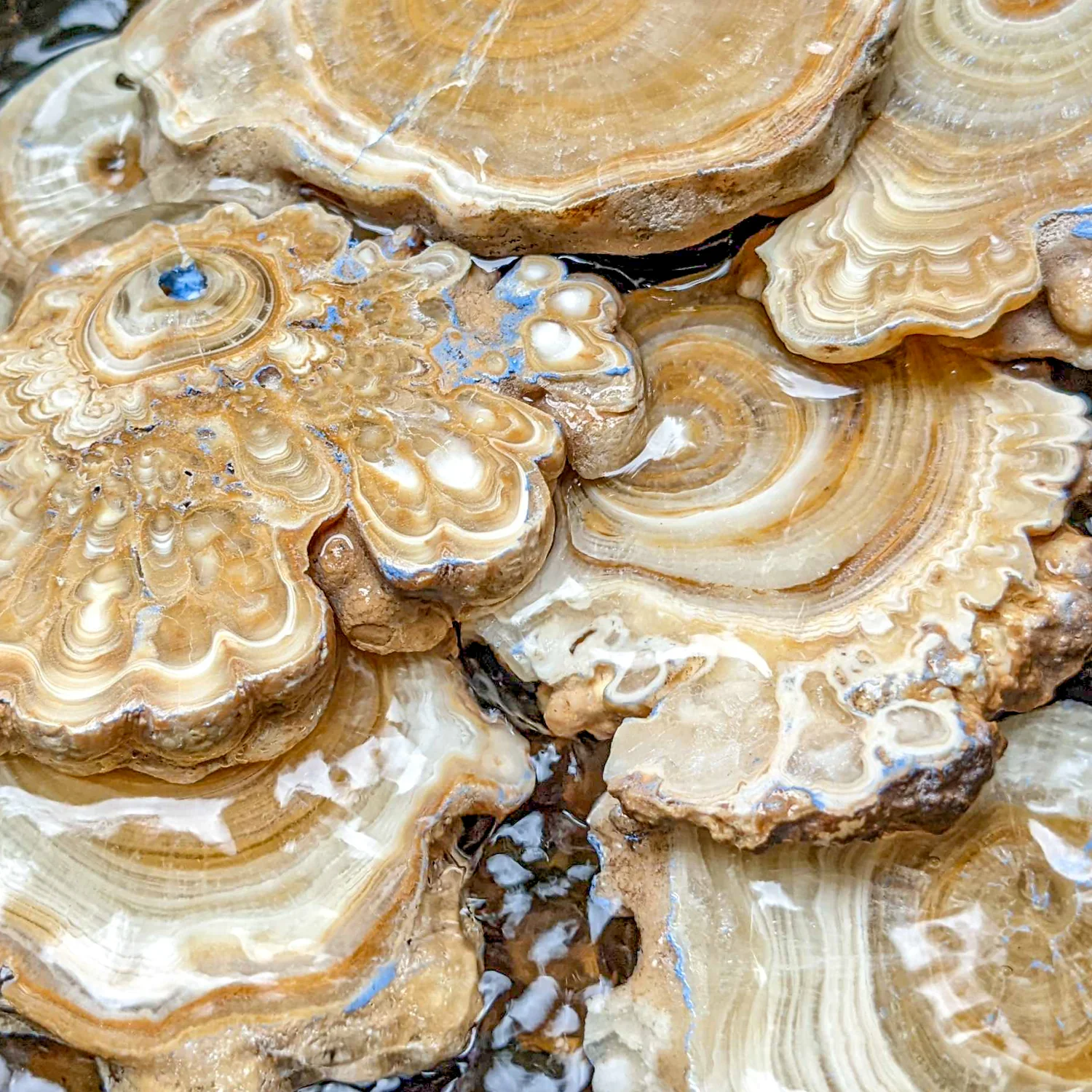
Travertine forms as calcium carbonate rich water flows through a cave or hot spring. Little by little, it leaves behind tiny mineral particles which eventually solidify into rock. The unique patterns of this material are echoes of those ancient waters.
More Images
Travertine Speleothem Cross Section
Millions of years of formation...
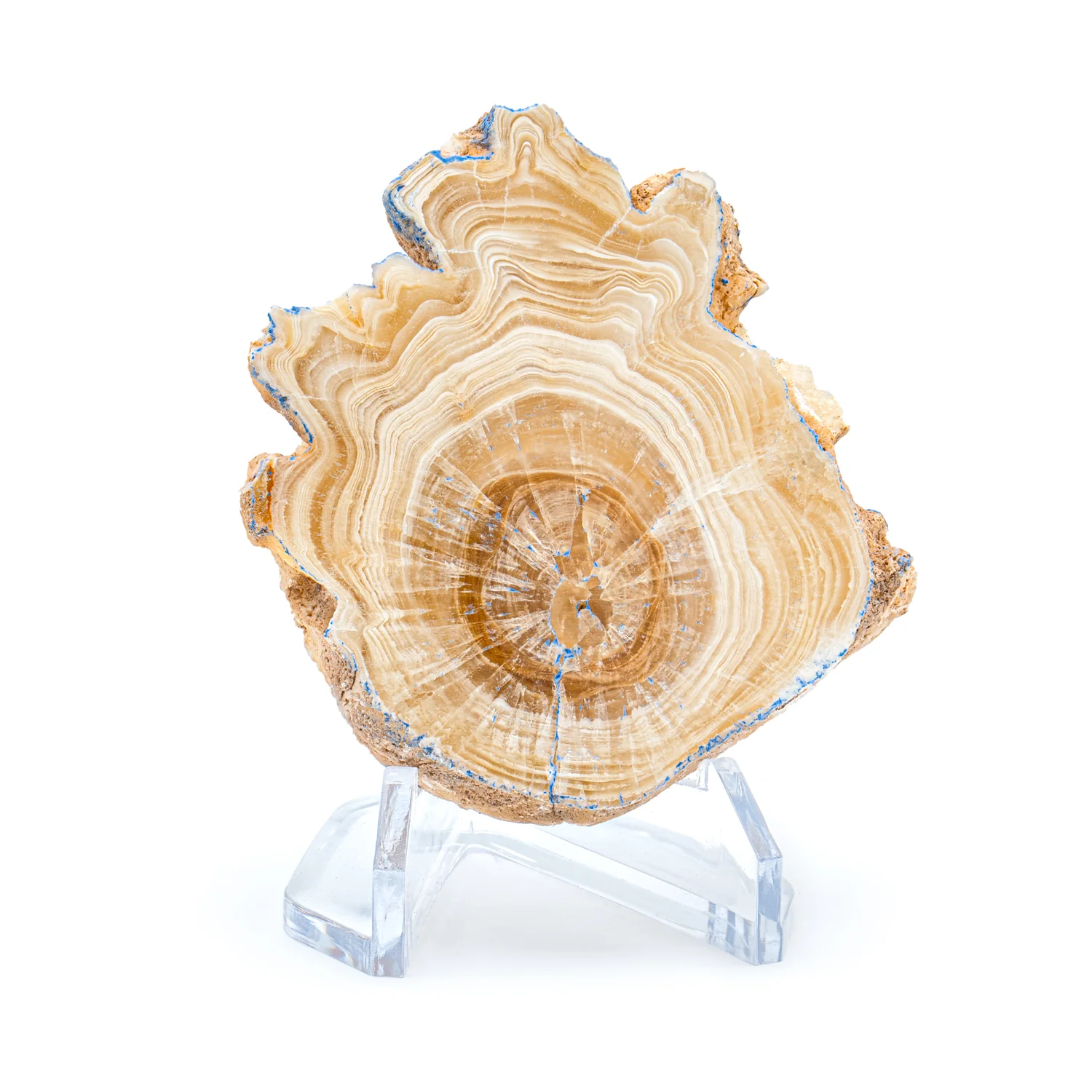
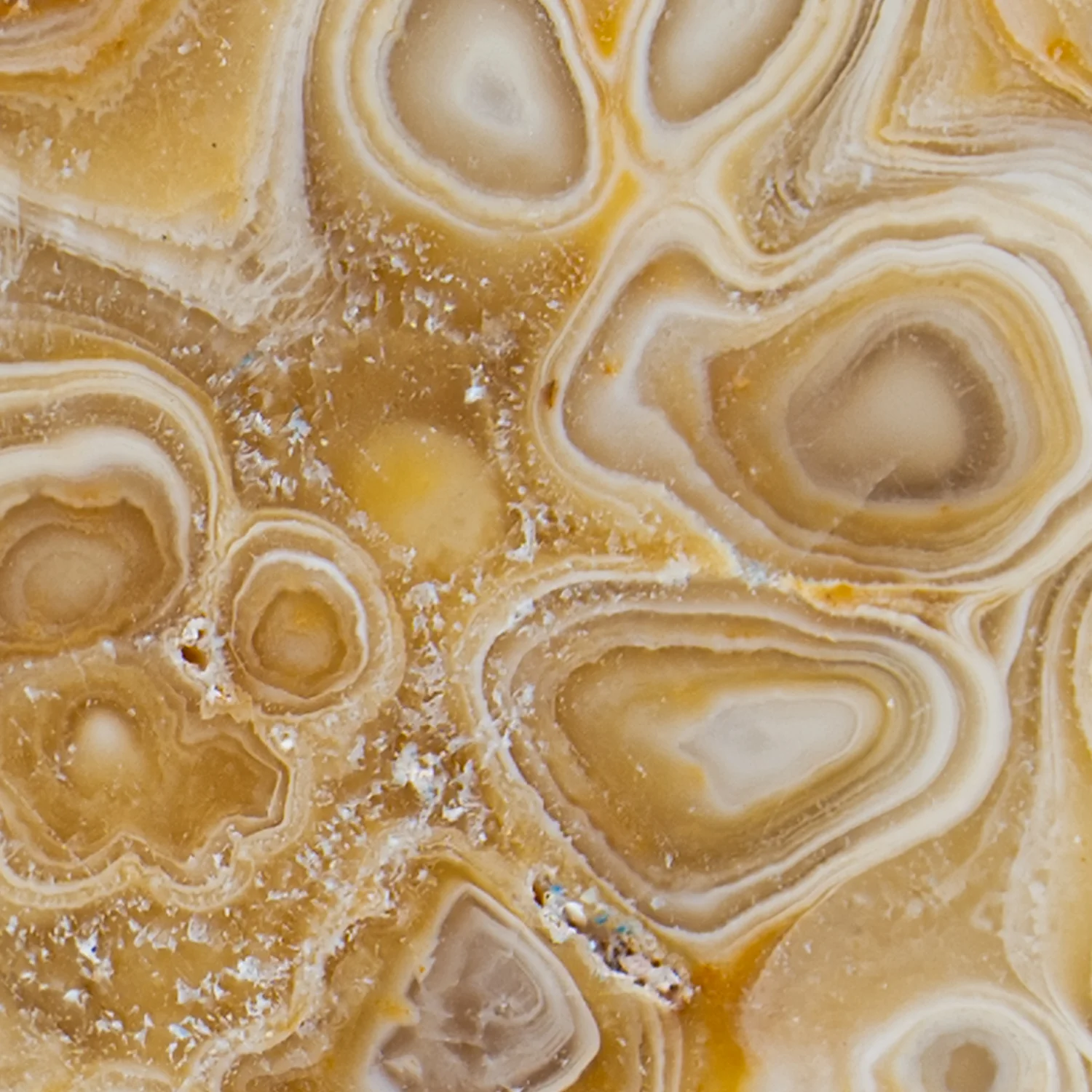
This specimen is a travertine speleothem cross-section. Like the rings of a tree, the circular pattern shows the growth of the limestone over the course of millions of years. Humans have always been fascinated by its beauty, with many classical buildings like the Colosseum being built from travertine.
Travertine forms as calcium carbonate rich water flows through a cave or hot spring. Little by little, it leaves behind tiny mineral particles which eventually solidify into rock. The unique patterns of this material are echoes of those ancient waters.
Product Information
Product Information
Shipping & Returns
Shipping & Returns
Description
Millions of years of formation...
This specimen is a travertine speleothem cross-section. Like the rings of a tree, the circular pattern shows the growth of the limestone over the course of millions of years. Humans have always been fascinated by its beauty, with many classical buildings like the Colosseum being built from travertine.
Travertine forms as calcium carbonate rich water flows through a cave or hot spring. Little by little, it leaves behind tiny mineral particles which eventually solidify into rock. The unique patterns of this material are echoes of those ancient waters.