Woolly Mammoth Tooth - SOLD 4.56" Polished Slab - Alaskan
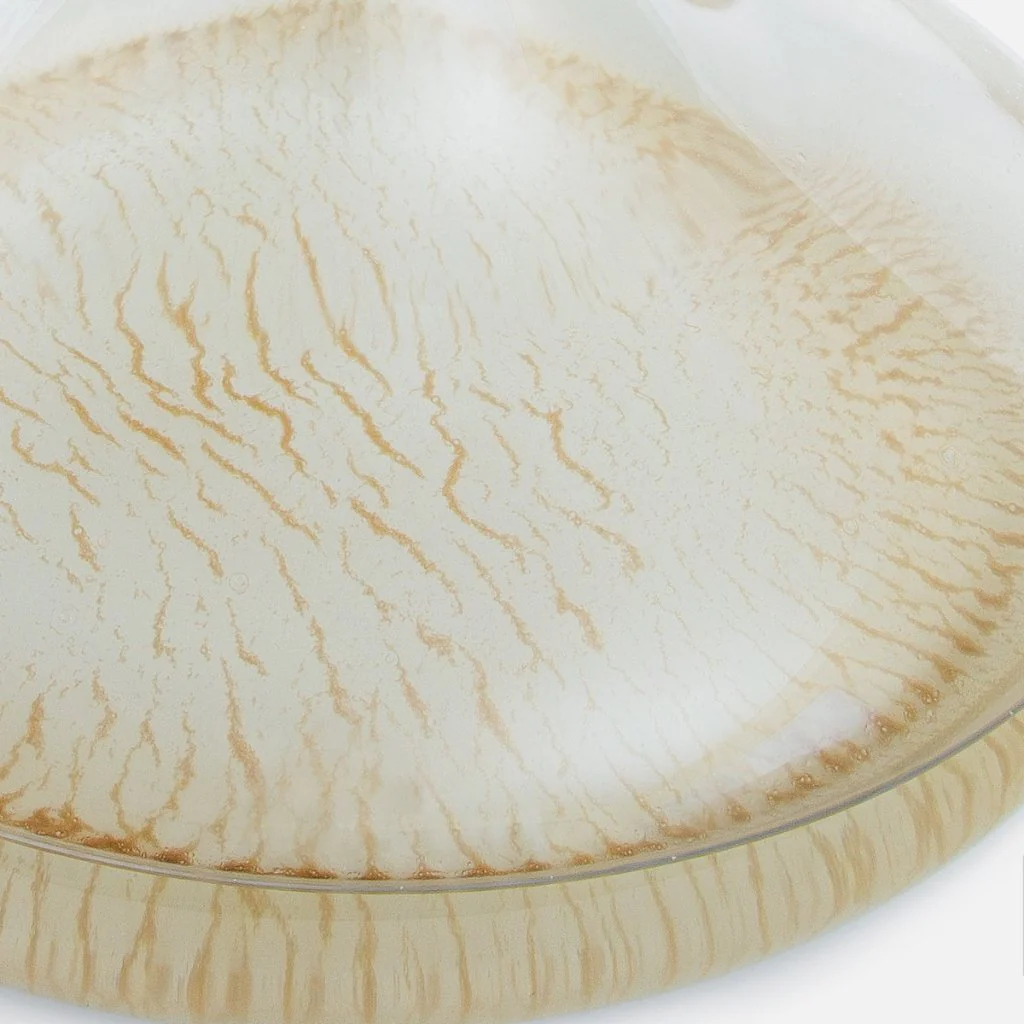
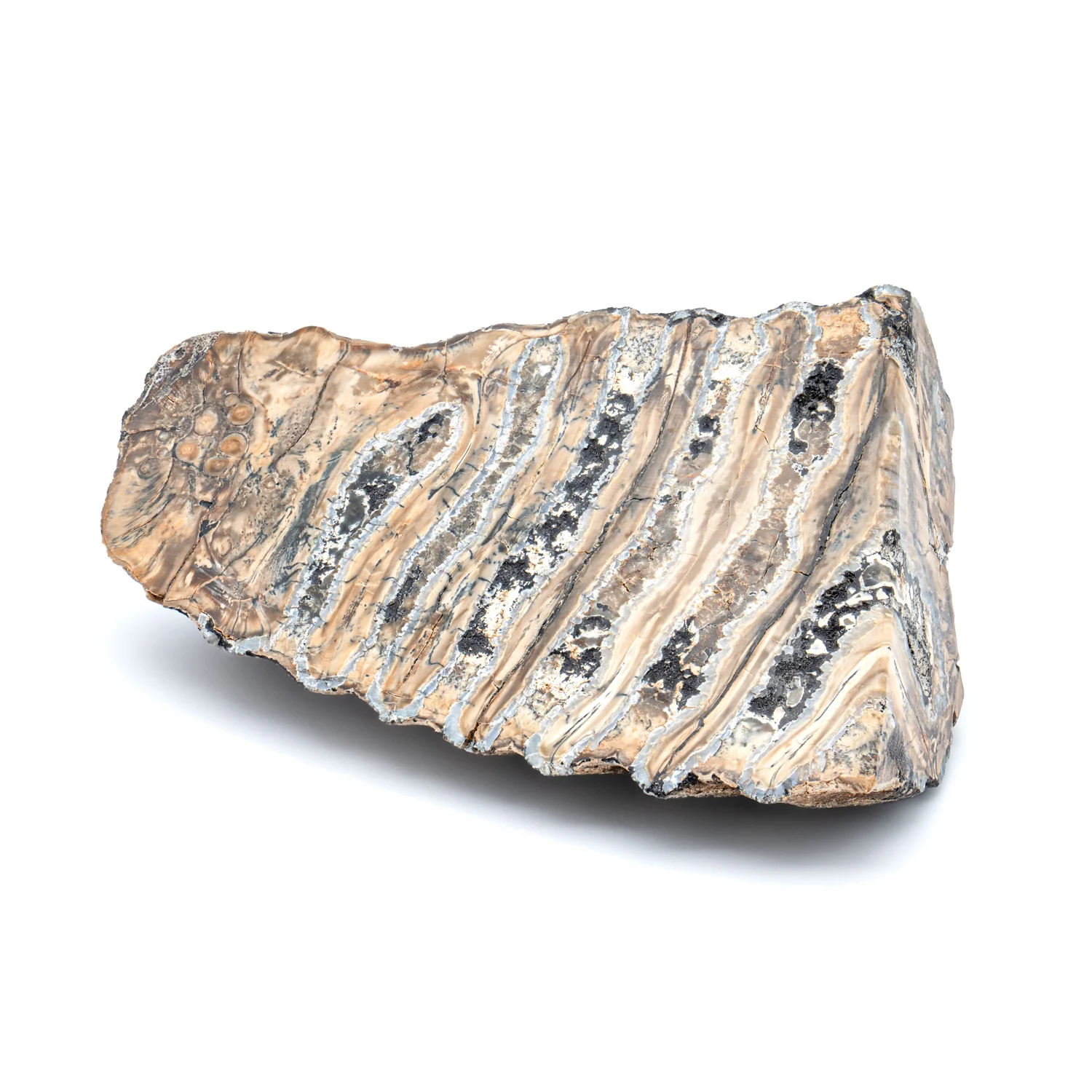
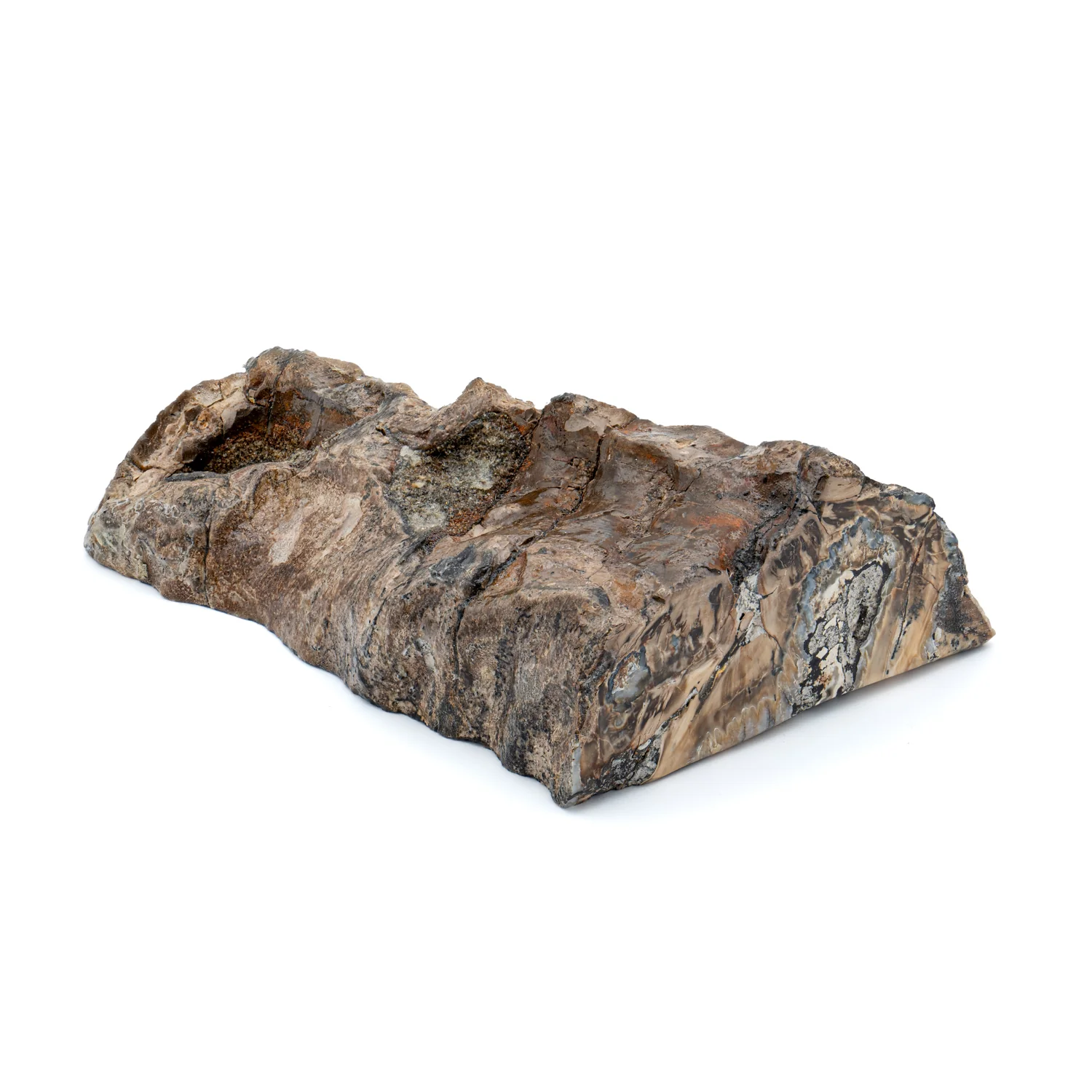
A full-grown woolly mammoth, just one species of the genus Mammuthus, stood 10 to 12 feet (3 to 3.5 m) at the shoulder, with a shaggy coat of hair. The woolly mammoth's hair provided a substantial advantage in the struggle to stay warm. This specimen is a 4.56" polished slab cross-section from an Alaskan Woolly Mammoth.
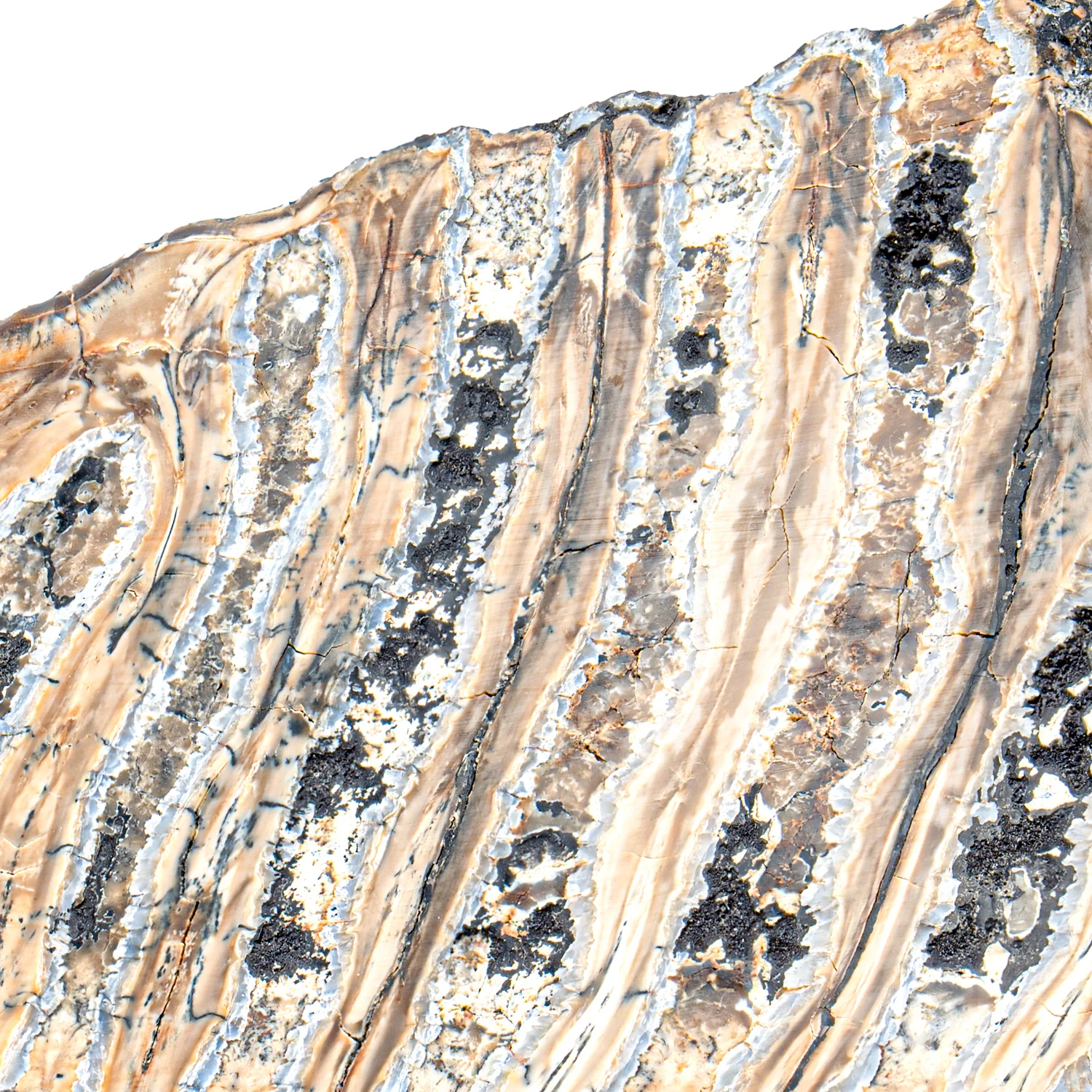
Their high-crowned molars were pleated with ridges of enamel: somewhat similar to the dentition of the modern Asian elephant, but distinct from the fewer, diamond-shaped, enamel plates of the African elephant. The morphology of mammoth teeth and the distribution of mammoth remains suggests mammoths were predominantly grazers subsisting mainly upon grasses and sedges, a diverse biomass that the modern Arctic tundra doesn’t approach.
Original: $359.00
-70%$359.00
$107.70More Images
Woolly Mammoth Tooth - SOLD 4.56" Polished Slab - Alaskan
A full-grown woolly mammoth, just one species of the genus Mammuthus, stood 10 to 12 feet (3 to 3.5 m) at the shoulder, with a shaggy coat of hair. The woolly mammoth's hair provided a substantial advantage in the struggle to stay warm. This specimen is a 4.56" polished slab cross-section from an Alaskan Woolly Mammoth.
Their high-crowned molars were pleated with ridges of enamel: somewhat similar to the dentition of the modern Asian elephant, but distinct from the fewer, diamond-shaped, enamel plates of the African elephant. The morphology of mammoth teeth and the distribution of mammoth remains suggests mammoths were predominantly grazers subsisting mainly upon grasses and sedges, a diverse biomass that the modern Arctic tundra doesn’t approach.
Product Information
Product Information
Shipping & Returns
Shipping & Returns
Description
A full-grown woolly mammoth, just one species of the genus Mammuthus, stood 10 to 12 feet (3 to 3.5 m) at the shoulder, with a shaggy coat of hair. The woolly mammoth's hair provided a substantial advantage in the struggle to stay warm. This specimen is a 4.56" polished slab cross-section from an Alaskan Woolly Mammoth.
Their high-crowned molars were pleated with ridges of enamel: somewhat similar to the dentition of the modern Asian elephant, but distinct from the fewer, diamond-shaped, enamel plates of the African elephant. The morphology of mammoth teeth and the distribution of mammoth remains suggests mammoths were predominantly grazers subsisting mainly upon grasses and sedges, a diverse biomass that the modern Arctic tundra doesn’t approach.